Bodytone Ladder Barrel, spinal mobility in three planes
Bodytone Ladder Barrel, spinal mobility in three planes : pilates reformers and studio apparatus, 1 872,00 EUR excl. VAT. Masse 30 kg. Brand : Bodytone. Delivery and installation priced on quotation across Europe.
1,872.00 € excl. VAT
i.e. 2,246.40 € TTC selon la destination de livraison
Shipping quoted separately The shipping cost is confirmed before you approve the order.
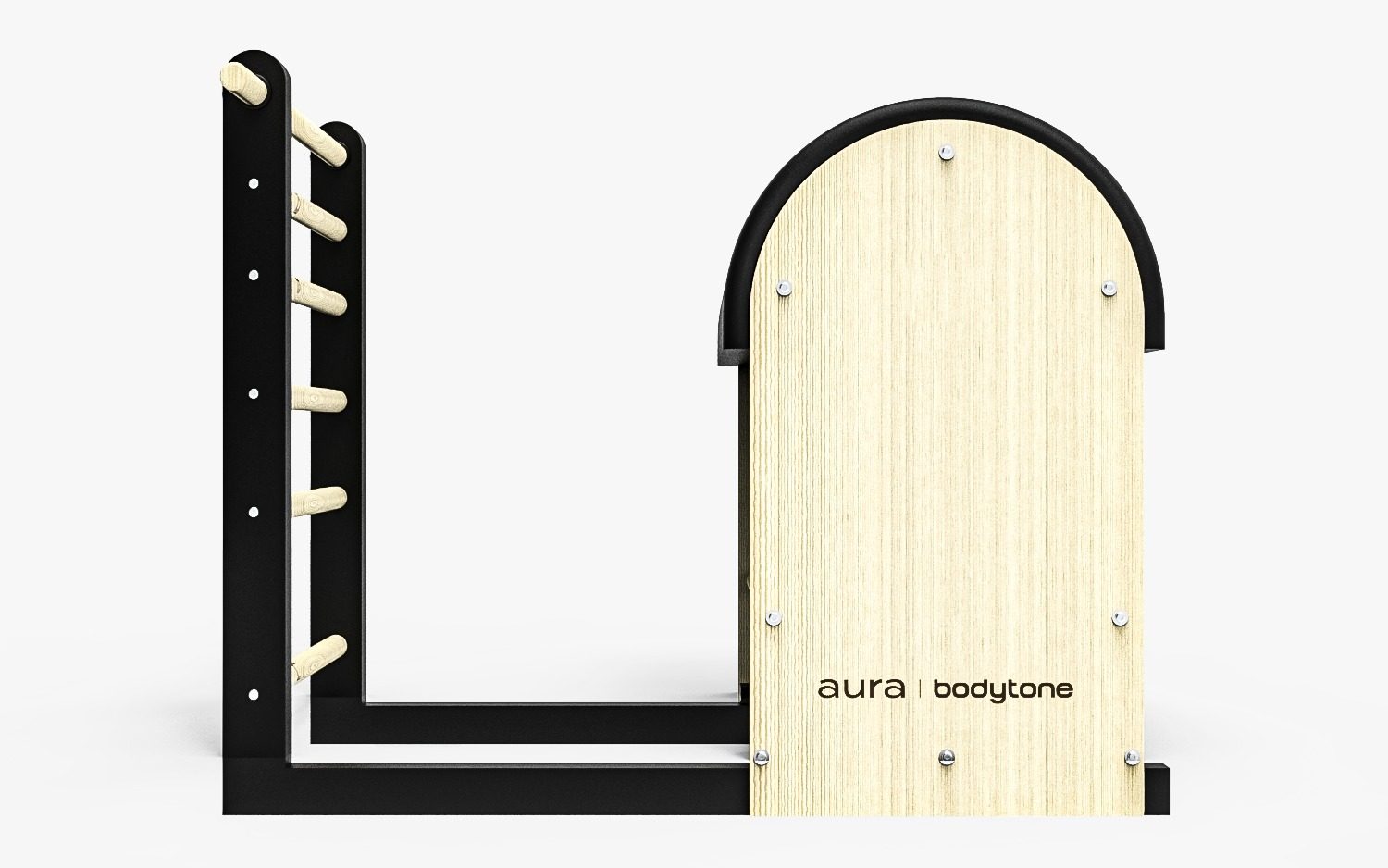
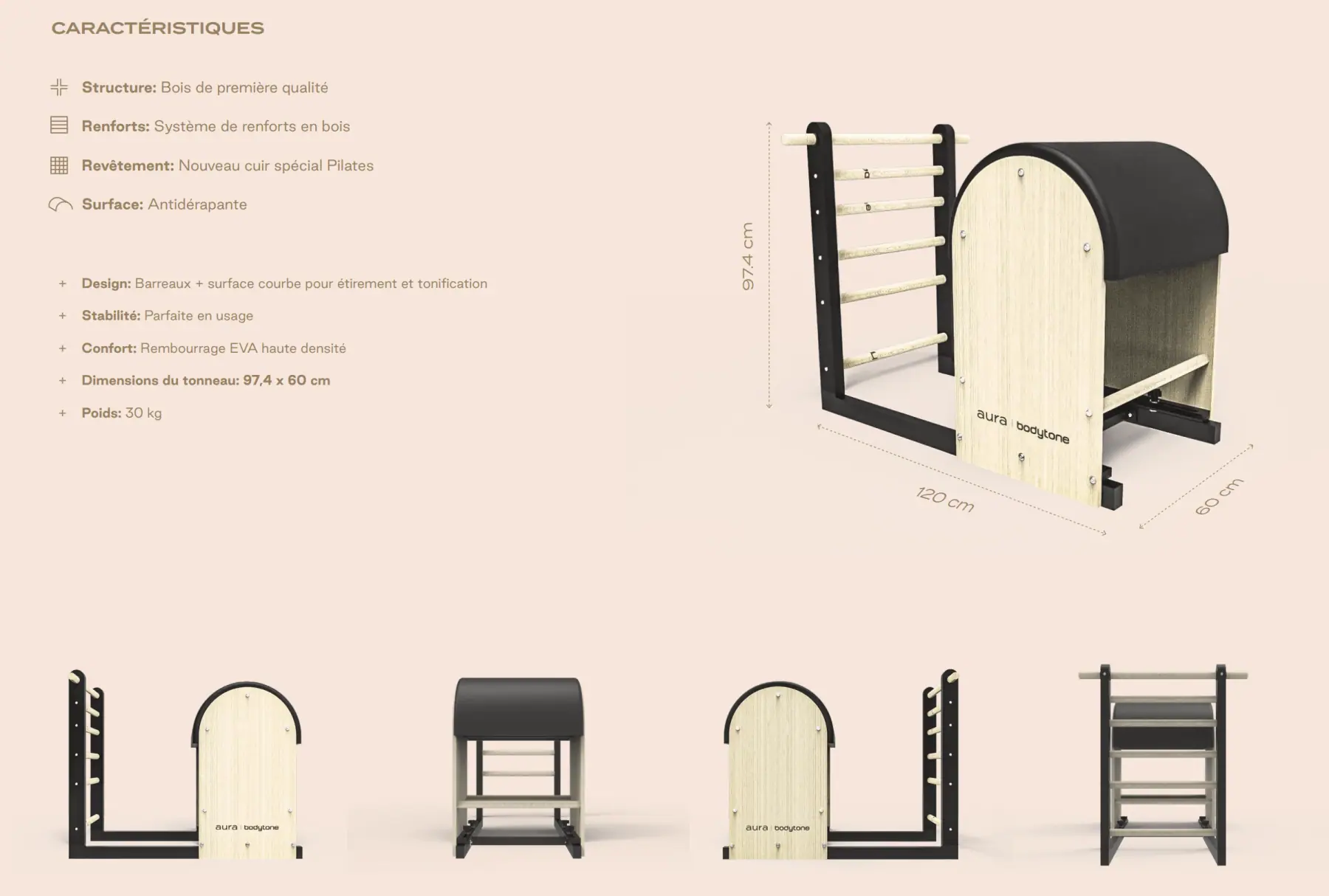
Professional Pilates ladder barrel in reinforced beech with a 97.4 x 60 cm padded barrel covered in non slip synthetic leather over high density EVA foam. Used for spinal mobility, deep core work and posterior chain strengthening.
Quotation = itemised pricing with delivery, installation and trade discounts, within 24 business hours. No commitment. Our commitments
Conformity: the manufacturer Bodytone confirms EN ISO 20957-1 certification (stationary training equipment) of its professional ranges distributed by Light In Fitness; the certificate for this reference is supplied on request with the quotation.
Bodytone France warranty: 5 years on the frame, 2 years on electronics and mechanical parts (bearings, pulleys, moving parts), 6 months on wear parts — parts, labour and travel included, subject to regular maintenance — detailed conditions.
Description
The Bodytone Ladder Barrel pairs a reinforced beech structure with a curved padded barrel, and is used for spinal mobility across all three planes of movement: flexion, extension and rotation. It targets the obliques, the back, the glutes, the abdominal core, the hamstrings and the trunk stabilisers, in standing, lying and seated positions on the barrel. The barrel itself measures 97.4 x 60 cm and is covered in a non slip synthetic leather specific to Pilates over high density EVA foam, giving a firm, stable support. Total weight is 30 kg and the price is 1 872 EUR excluding VAT.
Technical specification
| Product | Ladder Barrel, Bodytone |
| Structure | Reinforced beech wood |
| Barrel dimensions | 97.4 x 60 cm |
| Barrel covering | Non slip synthetic leather for Pilates over high density EVA foam |
| Ladder | Rungs at multiple heights for hand and foot support |
| Movement planes | Flexion, extension and rotation |
| Muscles targeted | Obliques, back, glutes, abdominal core, hamstrings, trunk stabilisers |
| Total weight | 30 kg |
| Applications | Spinal mobility, deep core work, posterior chain strengthening, rehabilitation |
| Price | 1 872 EUR excluding VAT |
What it adds to a studio and how to place it
A studio equipped only with reformers can work strength and control thoroughly but is limited on range of motion at the spine. The barrel exists to fill that gap: its curve supports extension over a shape the body cannot reproduce on a flat mat, and the ladder gives the hands and feet fixed points at different heights so the same movement can be taken further with control rather than momentum.
The ladder also makes standing work accessible, which is a direct benefit for the instructor. When the client is upright and supported, posture is visible from the side and corrections can be made in real time, whereas the same exercise performed on the floor hides half the alignment. That is why the apparatus is common in rehabilitation settings as well as in classical Pilates studios.
For placement, the barrel needs clearance on the open side for the client to move over the curve and space behind the ladder for the instructor to stand. At 30 kg it is light enough to be repositioned by one person, so it can be brought into the working area for a specific sequence and returned to a wall between classes. Maintenance is straightforward: check the ladder rungs and structural fixings during the periodic equipment inspection, and clean the synthetic leather with a pH neutral product rather than a solvent, which would dry and crack the covering.
Frequently asked questions
Which clients is it suitable for?
It suits general Pilates programming, athletic mobility work and rehabilitation, since the depth of the movement is controlled by where the hands and feet are placed on the ladder rather than by the apparatus itself.
Why beech for the structure?
Reinforced beech gives the rigidity needed under a body weight applied off centre over the curve. Any flex in the structure during extension work would compromise both stability and the client’s confidence.
Does it replace a spine corrector?
No. A spine corrector is a floor level, smaller format apparatus. The ladder barrel adds height, a ladder for support and access to standing work, so studios commonly hold both.
Request a quotation for a complete Pilates studio. See the full apparatus range on our Pilates equipment page.
Additional information
| Weight | 30 kg |
|---|---|
| Brand | Bodytone |
Delivery and installation
Lead times are confirmed in the quotation according to the product, available stock and destination.
Access requirements and delivery appointments for heavy equipment are agreed before dispatch.
Installation is included when stated for the product or in the quotation; otherwise it is quoted separately.
You may also like…
-
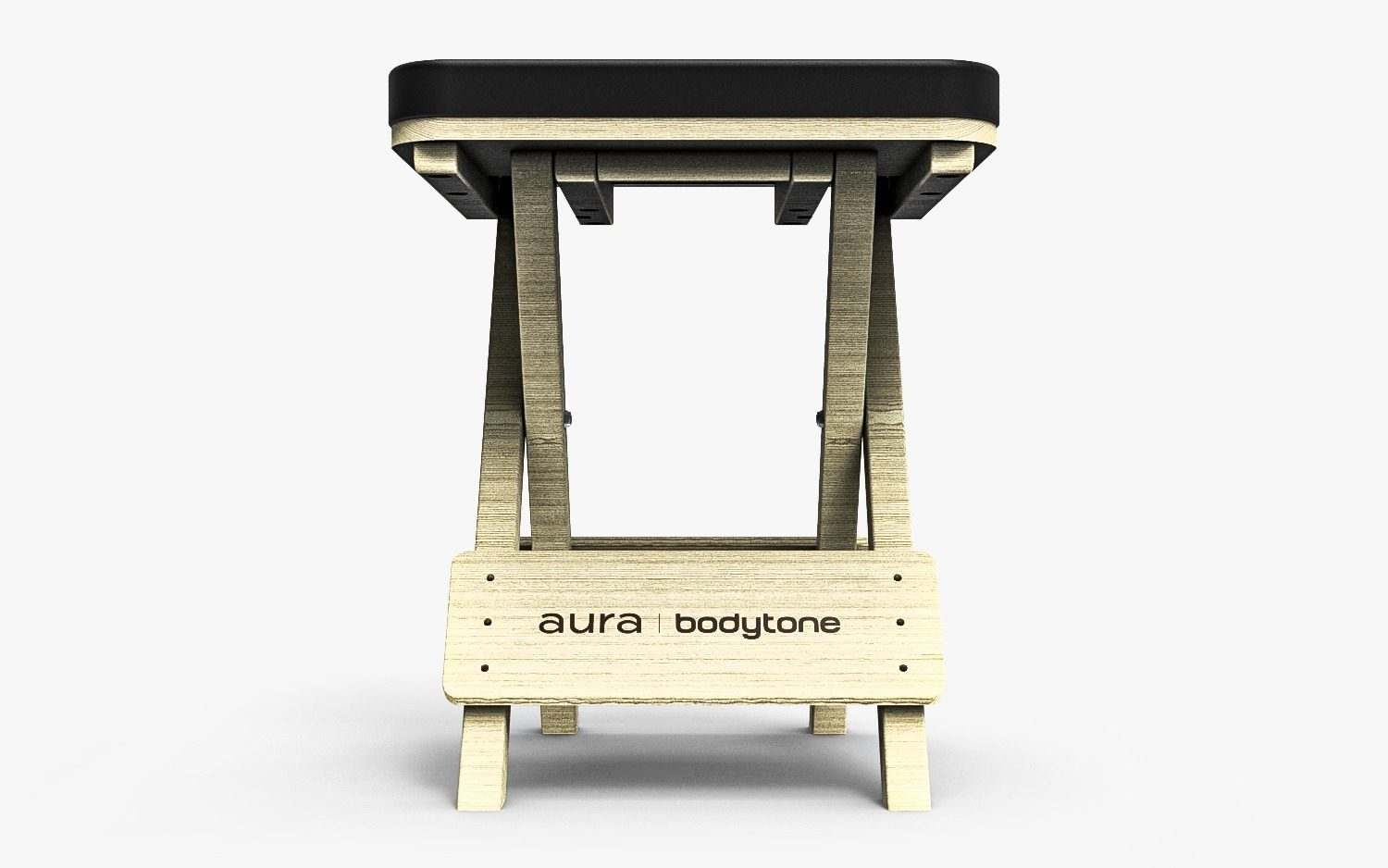
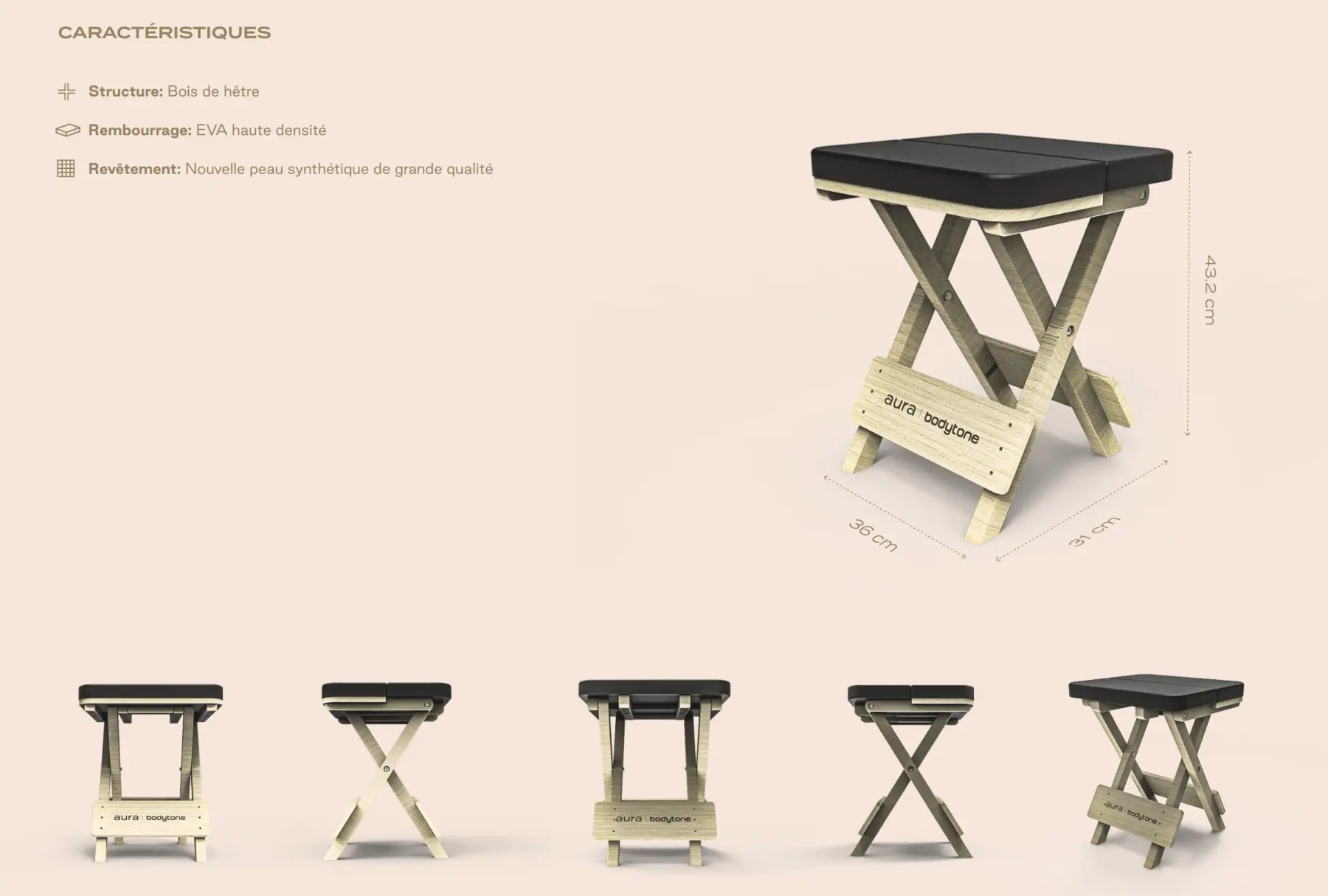
Bodytone Beech Yoga Chair - Low Foot to Pinterest (opens in a new window)Save on Pinterest : Bodytone Beech Yoga Chair - Low Foot
 Add to cartMORE INFO
Bodytone Beech Yoga Chair - Low Foot
292.50 € excl. VAT -
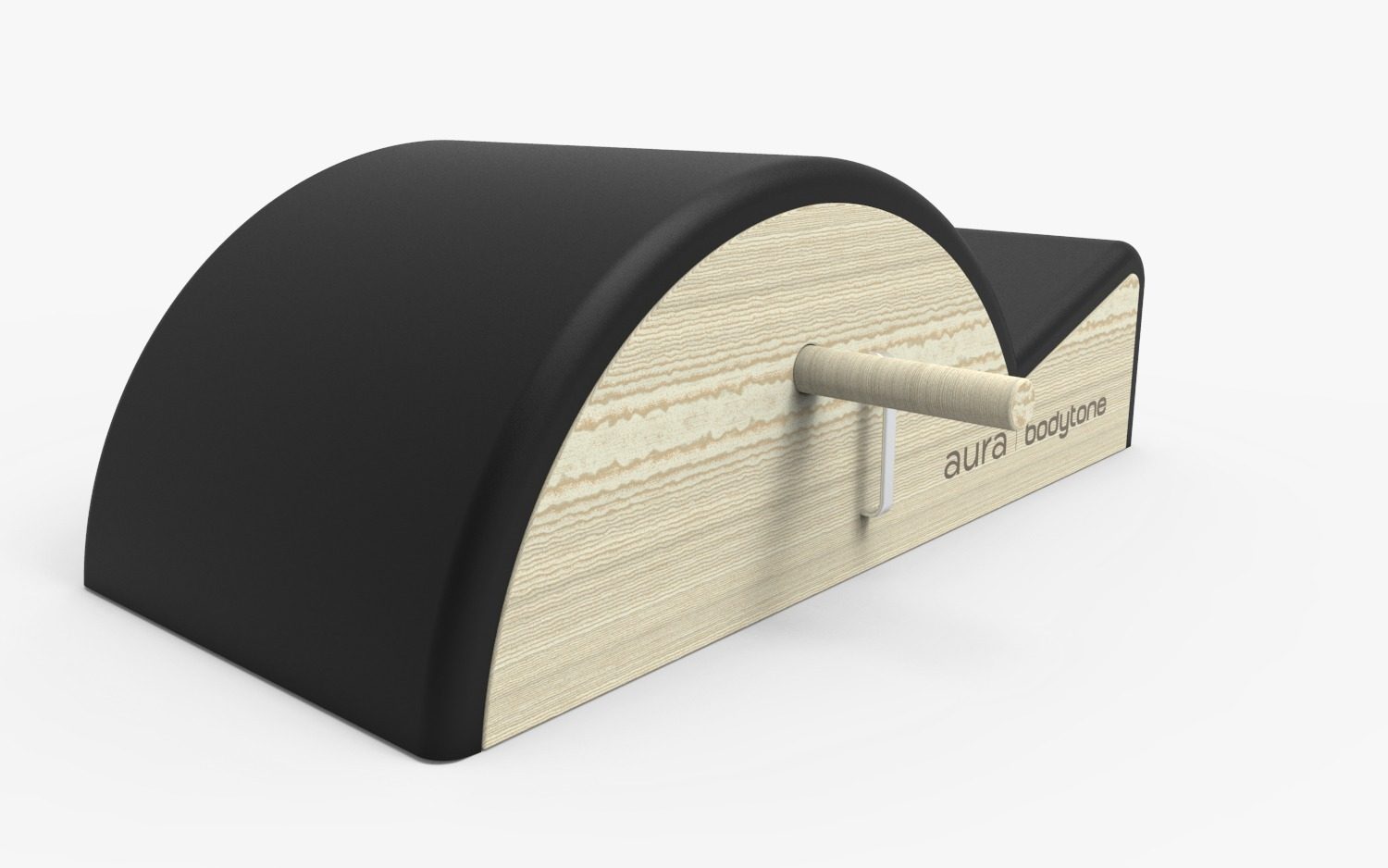
Bodytone Pilates spine corrector for posture and spinal mobility to Pinterest (opens in a new window)Save on Pinterest : Bodytone Pilates spine corrector for posture and spinal mobility
![Bodytone Pilates spine corrector for posture and spinal mobility]()
 Add to cartMORE INFO
Bodytone Pilates spine corrector for posture and spinal mobility
472.50 € excl. VAT -
Combined sauna and steam-room cabin to Pinterest (opens in a new window)Save on Pinterest : Combined sauna and steam-room cabinSALE!
![SAUNA + HAMMAM]()
 Add to cartMORE INFO
Combined sauna and steam-room cabin
Original price was: 25,000.00 €.18,000.00 €Current price is: 18,000.00 €. excl. VAT -
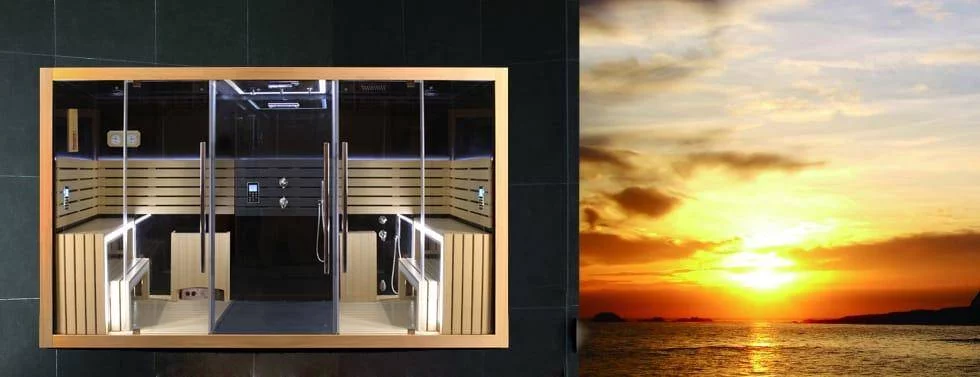
Sauna, steam room and shower cabin to Pinterest (opens in a new window)Save on Pinterest : Sauna, steam room and shower cabinSALE!
![Sauna douche double]()
 Add to cartMORE INFO
Sauna, steam room and shower cabin
Original price was: 28,000.00 €.20,000.00 €Current price is: 20,000.00 €. excl. VAT -
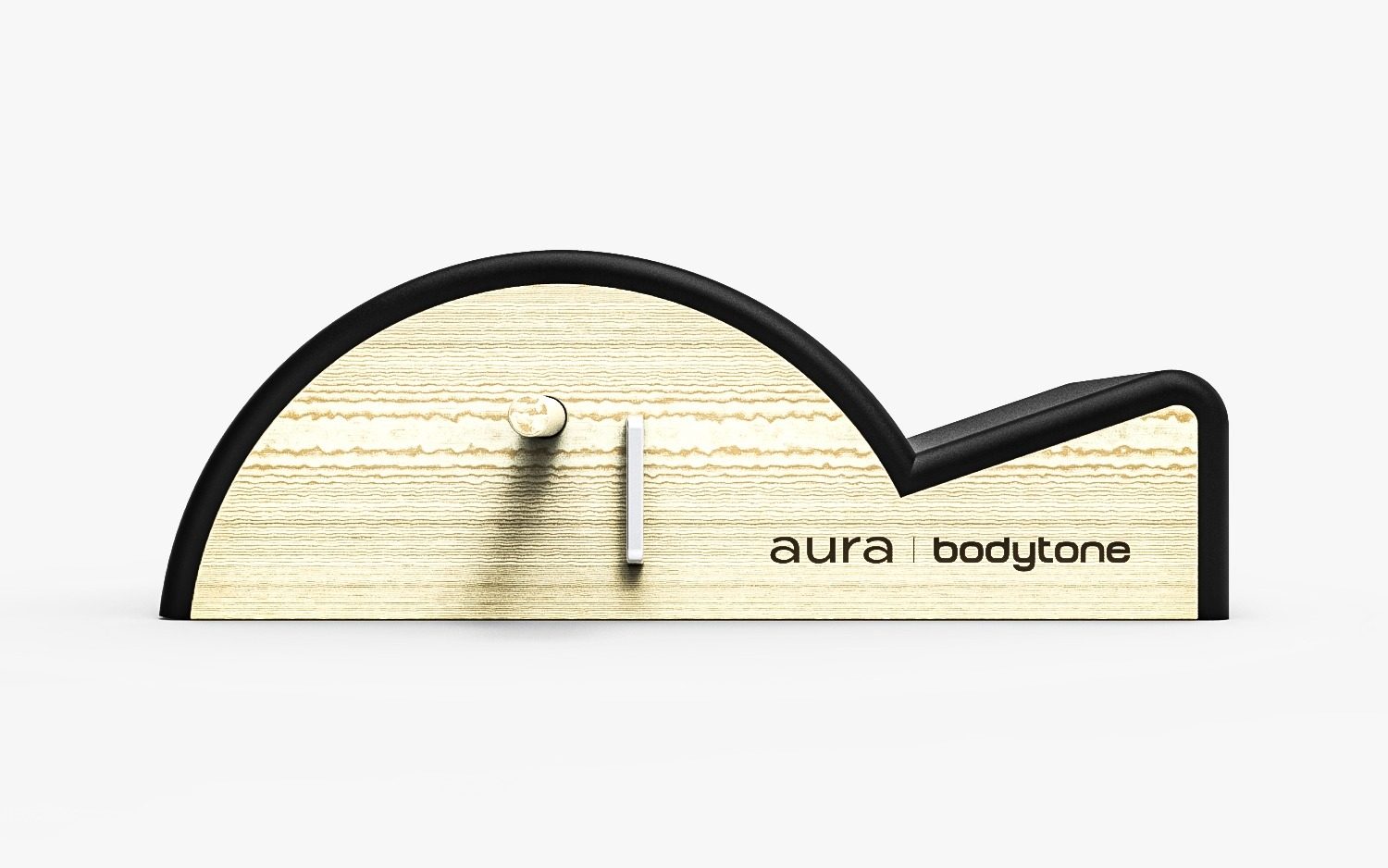
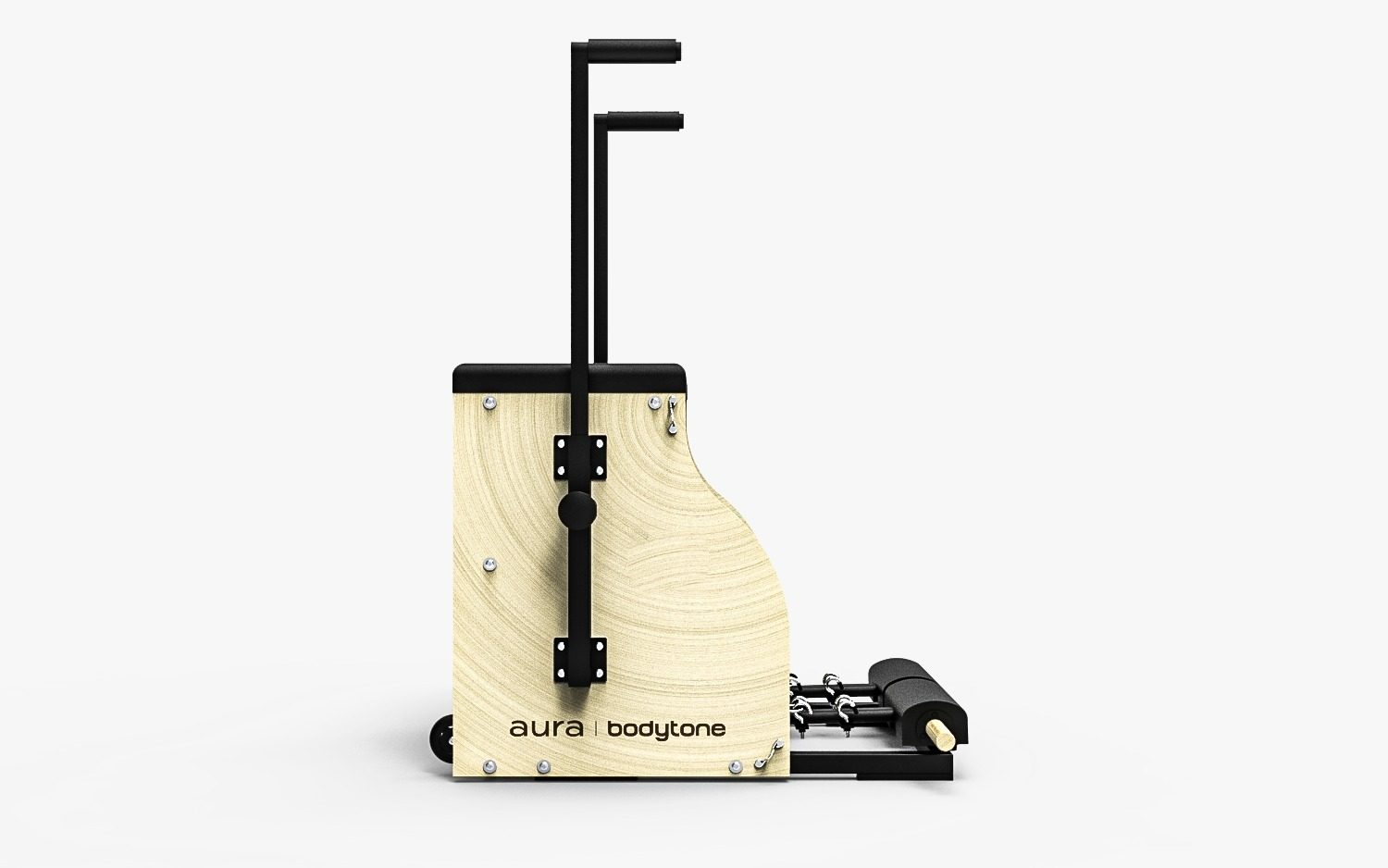
Bodytone Wunda Chair, compact Pilates apparatus to Pinterest (opens in a new window)Save on Pinterest : Bodytone Wunda Chair, compact Pilates apparatus
![Bodytone Wunda Chair, compact Pilates apparatus]() Add to cartMORE INFO
Add to cartMORE INFOBodytone Wunda Chair, compact Pilates apparatus
1,314.00 € excl. VAT
Related products
-
Pilates mat 183 cm, pink, black or beige to Pinterest (opens in a new window)Save on Pinterest : Pilates mat 183 cm, pink, black or beige
![Pilates mat 183 cm, pink, black or beige]()
 Select options This product has multiple variants. The options may be chosen on the product page
Pilates mat 183 cm, pink, black or beige
Price range: 30.00 € through 37.50 € excl. VAT -
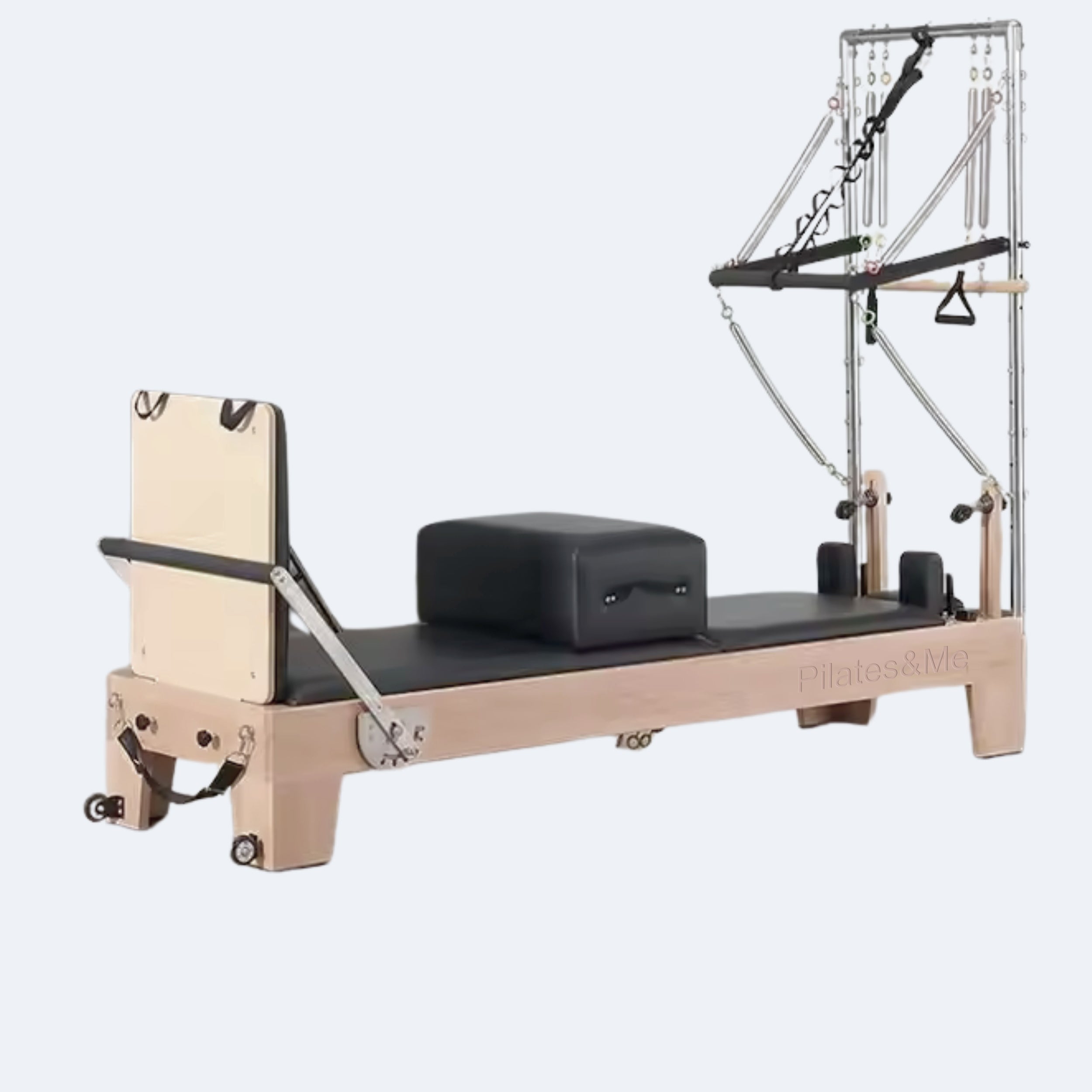
ESSENTIAL Pilates reformer with tower, solid maple to Pinterest (opens in a new window)Save on Pinterest : ESSENTIAL Pilates reformer with tower, solid maple
![ESSENTIAL Pilates reformer with tower, solid maple]()
 Select options This product has multiple variants. The options may be chosen on the product page
ESSENTIAL Pilates reformer with tower, solid maple
2,950.00 € excl. VAT -
FLEX folding maple Pilates Reformer to Pinterest (opens in a new window)Save on Pinterest : FLEX folding maple Pilates Reformer
![FLEX folding maple Pilates Reformer]()
 Select options This product has multiple variants. The options may be chosen on the product page
FLEX folding maple Pilates Reformer
1,550.00 € excl. VAT