Equipping a physiotherapy clinic or exercise referral facility
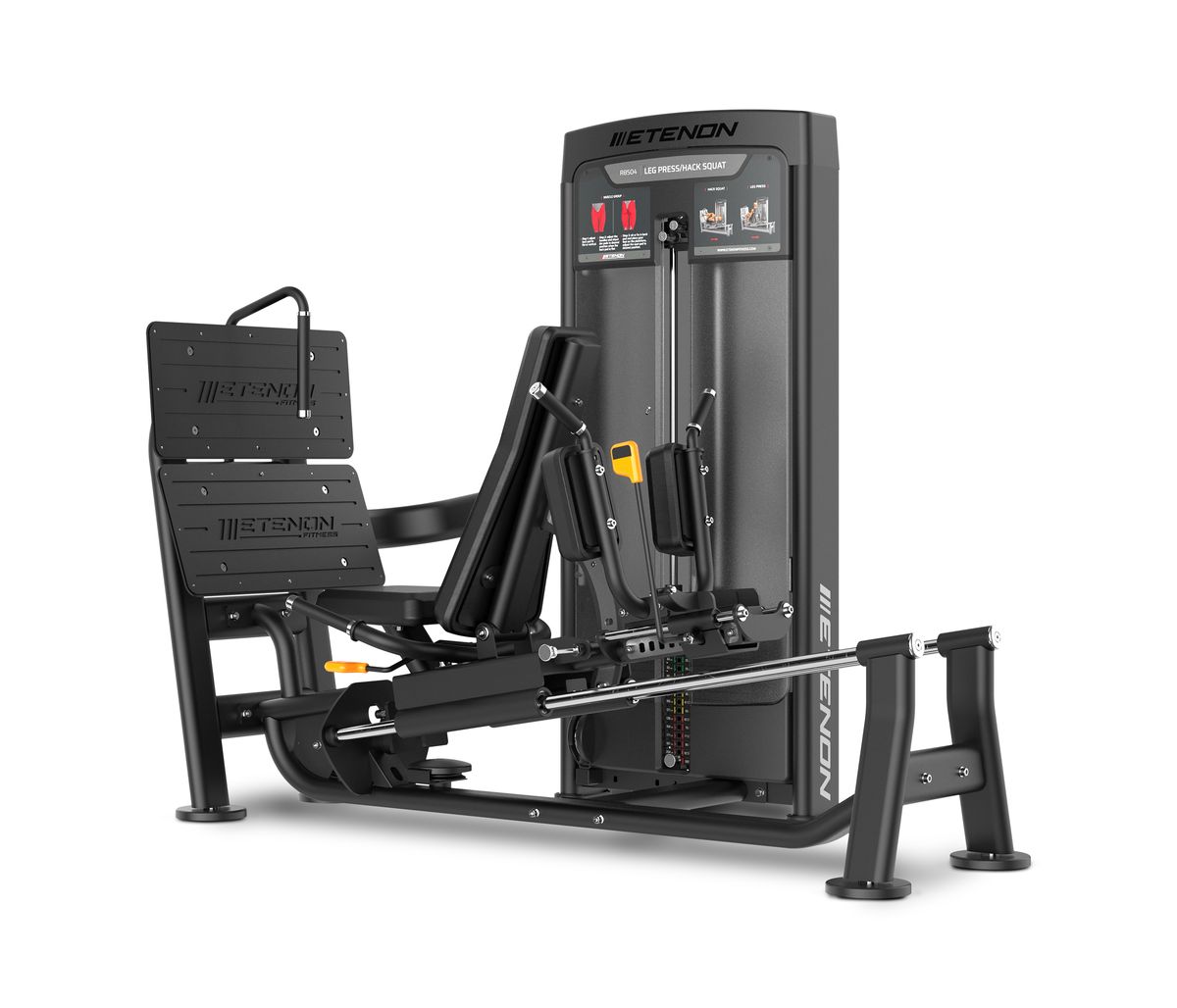
Short answer: an effective active-rehabilitation floor rests on four equipment families — guided-load strength machines (controlled movement path, fine load increments), low-impact cardio (recumbent bike, cross trainer), Pilates and proprioception equipment, and a suitable sports floor. For a 40 to 80 m² space, budget in the order of 15,000 to 40,000 EUR excluding VAT depending on how many guided stations you install; a professional plate-loaded station starts at 1,980.00 EUR excluding VAT in the Light In Fitness catalogue. The single most important specification decision is the use class: equipment used by patients all day must be certified for commercial use under EN ISO 20957-1:2024, not home use.
Why exercise-based rehabilitation floors are growing across Europe
Exercise referral is now embedded in health policy across most of Western Europe, under different names and different funding models — physical activity on prescription in the Nordic countries, exercise referral schemes in the United Kingdom, adapted physical activity pathways in France and Spain. The common direction is the same: more patients arriving at a clinic with a prescription for structured, progressive exercise, and more physiotherapy practices building an active strengthening floor rather than relying on a treatment couch and a resistance band.
The commercial logic follows: a clinic with a proper strength floor keeps the patient through rehabilitation, then reconditioning, then prevention, instead of discharging them at week six. Check your own national scheme for eligibility and reimbursement rules — they vary considerably — but the equipment brief that follows does not.
Family 1 — Guided load: the backbone of the floor
In rehabilitation the guided machine is king: controlled movement path, assisted start of movement, fine load increments and an accessible entry position. Four attributes matter far more than brand:
- Minimum load and increment. A stack that starts at 5 kg with 2.5 kg increments is usable in early-stage rehab; one that starts at 15 kg with 5 kg steps is not. Ask for the first-plate weight, not just the maximum.
- Entry and seat access. Swing-away seats, low step-over height, grab points. A patient six weeks post total knee replacement has to be able to get in unaided.
- Range-of-motion limiters. Adjustable start position and travel stops let you protect a healing joint without compromising the exercise.
- Unilateral capability. Iso-lateral machines let you load a rehabilitating limb independently, which is the whole point in post-injury work.
Priority chains for a clinic floor are lower limb (leg press, leg extension, leg curl), trunk and back (rows, lumbar extension) and shoulder. See rehabilitation gym equipment for the machine-by-machine detail.
Family 2 — Low-impact cardio
Three pieces do most of the work: the recumbent bike (easy entry, back support, ideal for older and post-operative patients), the upright seated bike, and the cross trainer (supported movement, no joint impact). A treadmill with a genuinely low start speed — 0.5 to 0.8 km/h — is what makes gait retraining possible; most commercial treadmills start at 1 km/h or above, so check this specification explicitly.
All cardio used in a clinical setting should be certified to EN ISO 20957-1:2024 in a commercial use class. Home-class equipment is neither designed nor warranted for eight hours a day of patient use, and it will fail inside eighteen months.
Family 3 — Pilates, proprioception and small equipment
Reformer Pilates has become a mainstay of functional rehabilitation: variable spring resistance, supported spine, and progressions that work from supine to standing. Complete the floor with balance and proprioception equipment, resistance bands, medicine balls and wall bars — an old idea that remains one of the most efficient square metres in any clinic for mobility and stretching work.
Family 4 — The floor: hygiene, cushioning, accessibility
A clinic receives fragile patients. The floor has to cushion, be slip-resistant and clean easily. A 20 mm smooth-finish rubber tile suits machine zones; tatami mats suit the mat-work area. Avoid deep-textured surfaces, which trap contamination and make wheelchair and walking-frame movement harder. Keep at least 900 mm of clear circulation between machine footprints, and 1,500 mm where a wheelchair needs to turn. See accessible gym design.
Budget, with real catalogue prices
Current Light In Fitness catalogue prices, excluding VAT.
| Equipment | Role on the floor | Price (excluding VAT) |
|---|---|---|
| Iso-lateral chest press, plate loaded, 250 kg | Upper body, unilateral loading | 1,980.00 EUR excluding VAT |
| Multi-functional trainer with Smith machine | Multi-purpose station for advanced reconditioning | 5,750.00 EUR excluding VAT |
| Recumbent bike, commercial | Cardiac and post-operative reconditioning | 1,795.00 EUR excluding VAT |
| Recumbent bike with touchscreen console | Rehabilitation and active seniors | 2,395.00 EUR excluding VAT |
| Cross trainer, commercial | Non-impact cardio | 2,215.00 EUR excluding VAT |
| Pilates reformer, wood and alloy, professional | Functional rehabilitation, spinal work | 3,411.00 EUR excluding VAT |
| Reformer tower accessory | Extends the reformer’s exercise range | 1,665.00 EUR excluding VAT |
| Galvanised steel wall bars with pull-up bar | Mobility, stretching, suspension work | 1,550.00 EUR excluding VAT |
| Rubber floor tile, 20 mm smooth high density | Machine zone flooring | 30.00 EUR excluding VAT per m² |
| Configuration | Contents | Equipment budget (excluding VAT) |
|---|---|---|
| 40 m² clinic floor | 2 guided stations, 1 recumbent bike, 1 cross trainer, mats, small equipment, flooring | 15,000 to 22,000 EUR excluding VAT |
| 80 m² rehabilitation and reconditioning floor | 5-6 guided stations, 3 cardio positions, Pilates area, complete flooring | 30,000 to 40,000 EUR excluding VAT |
These are equipment budgets, excluding building works. Leasing over 36 to 60 months is available and is the usual route for a practice that does not want to consume its bank facility — see financing and leasing.
Two compliance questions worth asking your supplier
- Use class. Ask for the EN ISO 20957-1:2024 declaration naming the class. Class S covers studio and commercial use; Class H is home use; Class I is institutional use as defined in the standard. “Semi-professional” is not a class and carries no conformity value.
- Medical device status. The overwhelming majority of strength and cardio equipment is not a medical device and is not CE-marked under Regulation (EU) 2017/745. If a supplier claims a therapeutic indication for a machine, ask which regulation the CE mark was issued under. If your service or insurer requires medical device classification for a specific item, that must be specified up front, not discovered at commissioning.
Frequently asked questions
Which strength equipment should a rehabilitation floor prioritise?
Guided-load machines first: controlled movement path, accessible adjustments and fine load progression make them safe for fragile and post-operative patients. Prioritise lower limb, trunk and back, and shoulder, and check the first-plate weight and increment before the maximum load.
What budget should a physiotherapy practice plan for?
In the order of 15,000 to 22,000 EUR excluding VAT for a 40 m² floor with two guided stations, a recumbent bike, a cross trainer and mat area, and 30,000 to 40,000 EUR excluding VAT for an 80 m² rehabilitation and reconditioning floor, excluding building works. Leasing spreads this over 36 to 60 months.
Does clinic equipment have to meet a particular standard?
Yes. For professional use with patients throughout the day, equipment should fall under a commercial use class of EN ISO 20957-1:2024 with CE marking. Home-class equipment is neither designed nor warranted for that intensity and will not survive it.
Is rehabilitation gym equipment a medical device?
Generally not. Strength and cardio machines are sports equipment, not medical devices under Regulation (EU) 2017/745. Where a supplier claims a therapeutic function, ask which regulatory route the CE marking follows and obtain the declaration of conformity.
What floor should a clinic use?
A 20 mm smooth-finish high-density rubber tile in machine zones, from 30.00 EUR/m² excluding VAT, with tatami in the mat-work area. Smooth finishes clean faster and make wheeled and assisted movement easier than deep-textured surfaces. Keep 900 mm of clear circulation between machines, 1,500 mm where a wheelchair turns.
Planning a rehabilitation floor? Send us the room dimensions, the patient profile and the treatments you deliver, and we will return a 3D layout including patient circulation and accessibility, an equipment schedule with load increments stated, a flooring plan and a price excluding VAT with a leasing option. Light In Fitness has equipped over 2,500 customers since 2013, including care homes and health settings. See the health and referral equipment range or request the study.
Sources et références
- Code du sport, articles R322-4 à R322-43 – garanties d’hygiène et de sécurité applicables aux établissements d’activités physiques et sportives (Légifrance)