Cleaning and maintaining a rubber gym floor: products, frequency, mistakes
Short answer: a rubber sports floor needs three routines and nothing more — daily vacuuming or sweeping to remove dust, chalk and loose granulate, a weekly wash with warm water and a pH-neutral detergent (scrubber-drier above 200 m²), and targeted disinfection of high-contact zones with a rubber-compatible product. Four things must never touch it: solvents and paint strippers, concentrated bleach and acids, high-temperature steam cleaners, and standing water. Bonded SBR tiles tolerate water and neutral detergents extremely well and tolerate solvents extremely badly, because solvents attack the polyurethane binder. Maintained correctly, a high-density tile lasts well beyond ten years in commercial use.
Why floor maintenance is a management issue, not a cleaning issue
The floor is the largest contact surface in the building. Members lie on it, put their hands on it and sweat onto it. A poorly maintained floor is visible, it smells, and it ends up in online reviews. Conversely, ease of maintenance is one of the main reasons operators choose bonded rubber in the first place: the surface is closed-pore, non-porous and stain-resistant.
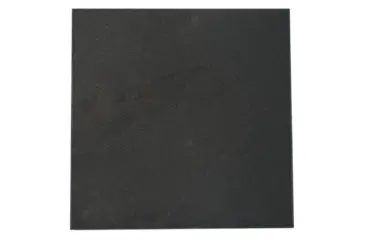
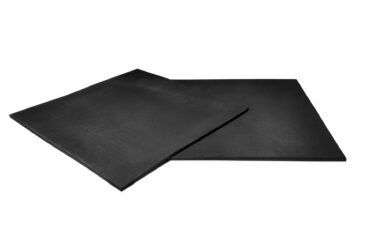
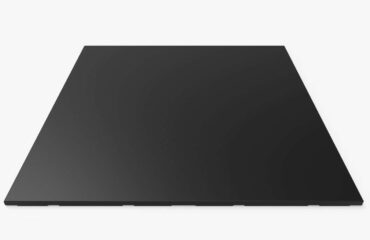
The chemistry is simple and worth understanding, because it explains every rule below. A sports tile is SBR granulate bound with polyurethane resin. Water and neutral detergents do not affect that binder. Organic solvents dissolve it. Once the binder at the surface is attacked, the granulate releases, the surface goes chalky, and no cleaning regime brings it back.
The maintenance protocol by frequency
| Frequency | Task | Equipment and product | Indicative time per 100 m² |
|---|---|---|---|
| Daily | Vacuum or sweep: dust, chalk, loose granulate | Soft-brush vacuum or trapeze broom; damp microfibre on contact zones | 8-12 minutes |
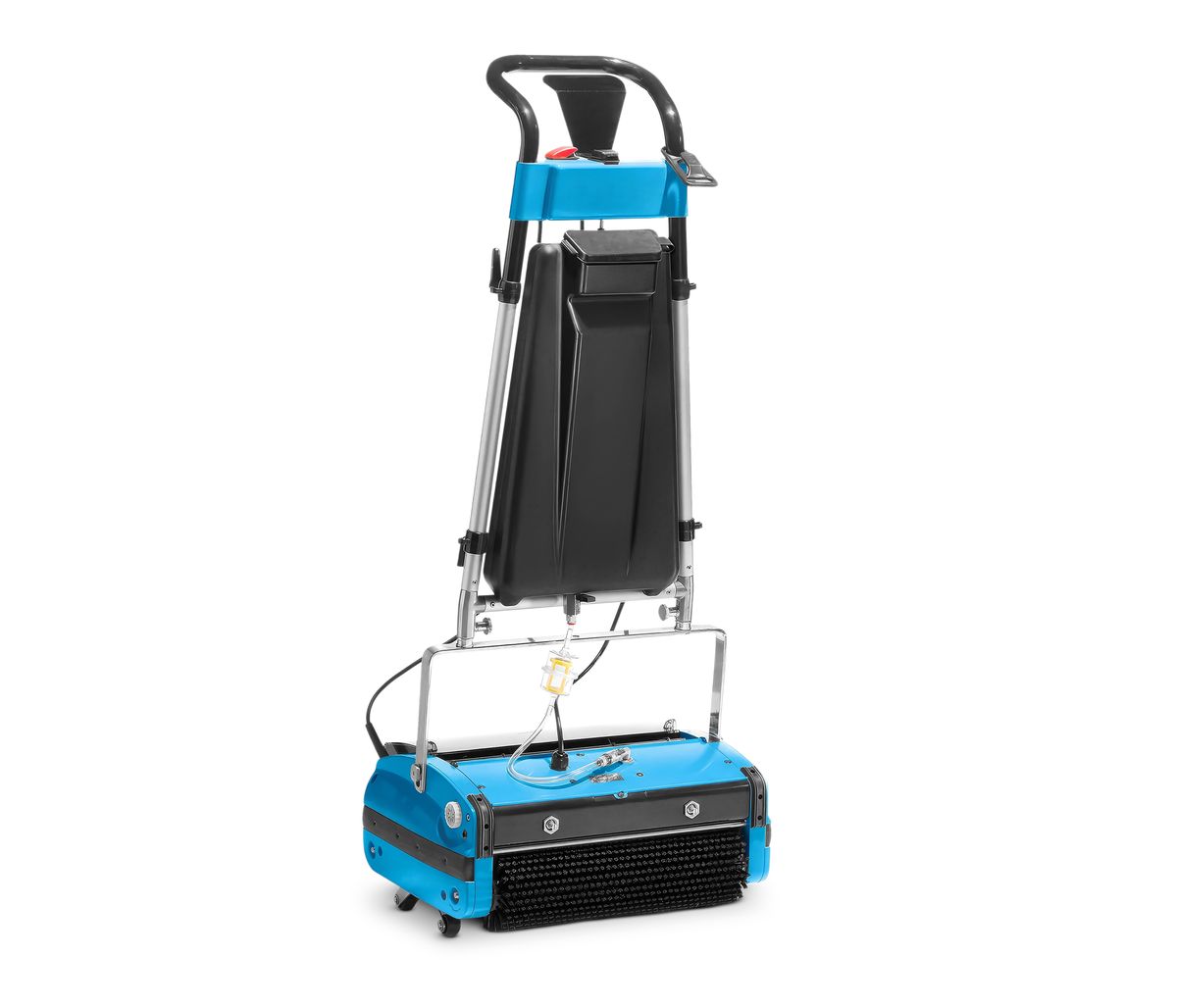
| Weekly | Full wash, warm water (30-40 °C) plus pH-neutral detergent, well wrung out | Microfibre mop; soft-brush scrubber-drier at low water flow above 200 m² | 20-30 minutes by mop, 8-10 minutes by machine |
| As required by use | Disinfection of high-contact zones: mat area, stretching zone, adjacent tatami | Rubber-compatible, solvent-free surface disinfectant, correctly diluted | 10-15 minutes |
| Monthly | Inspection: open joints, lifted edges, tiles marked under load, ramp condition | Visual check plus replacement from the reserve stock | 15 minutes |
| Annual | Deep mechanical clean, flatness check, ramp and edge-profile fixings | In-house or a contract cleaner briefed on approved products | Half a day |
Two numbers govern the whole schedule. Keep the wash water below about 40 °C, and keep the floor damp rather than flooded — water should evaporate within minutes, not pool in the joints.
The five mistakes that destroy a rubber floor
- Solvents and strippers — acetone, petrol, thinners, industrial degreasers. They attack the polyurethane binder and leave discoloured, friable patches. This is the single most common cause of premature floor failure we see.
- Concentrated bleach and acids — a heavily diluted chlorine disinfectant is tolerable occasionally, but pH-neutral remains the rule. Anything below pH 5 or above pH 9 should be checked with the supplier first.
- High-temperature steam and close-range pressure washing — both break down the surface and drive water into the joints and under the tiles.
- Too much water — a rubber floor is washed damp, never flooded. Standing water migrates through the joints, under the tiles and eventually into the acoustic underlay.
- Dragging equipment — a rack or a machine is lifted or moved on skates, never slid across the tile. A single dragged frame can score a metre of floor in two seconds.
There is a warranty dimension here. Light In Fitness tiles carry a five-year warranty against manufacturing defect. As with any professional floor covering, damage caused by chemically incompatible products is a use issue, not a manufacturing defect. Keeping a written cleaning protocol and pH-neutral products on site protects the warranty as well as the floor — see equipment warranties.
Special cases: new-floor odour, stains and outdoor surfaces
New-floor odour. The characteristic smell of new recycled rubber is normal and fades within a few weeks with regular ventilation and the first few warm-water washes. Do not mask it with strongly perfumed products — they can damage the surface without addressing the cause. Ventilate at a higher air-change rate for the first fortnight after installation.
Common stains. Deal with them locally and quickly. Chalk and magnesium carbonate come off with vacuuming then water. Shoe scuffs lift with microfibre and neutral detergent. Grease responds to diluted washing-up liquid followed by a light rinse. Rubber tyre marks from equipment trolleys are the hardest and need patience rather than stronger chemistry.
Outdoor surfaces. The regime changes for outdoor fitness areas, trails and playgrounds: clean-water rinsing, stiff-brush removal of moss and algae, and a post-winter check of drainage beneath the tiles. Our outdoor ranges are UV and weather resistant, but a seasonal inspection point remains best practice, particularly on sites subject to statutory inspection duties — see inspection of playgrounds and outdoor fitness.
What to write into a cleaning contract
If cleaning is outsourced, the specification needs four clauses, because a general contract cleaner will otherwise default to whatever is on the van:
- Approved products: pH-neutral detergent only, named or approved in writing; solvents, strippers, abrasive pads and steam prohibited.
- Method: damp mop or soft-brush scrubber-drier at reduced water flow; no flooding, no abrasive discs.
- Frequency by zone, with high-contact zones separated from machine zones.
- Reporting: monthly note of damaged tiles so replacements come from the reserve stock rather than accumulating.
Order 2 to 3 per cent of the floor area as reserve stock at the time of the original order. Colour batches move, and matching a tile three years later is far harder than storing ten spares.
Frequently asked questions
What should I use to clean a rubber sports floor?
Warm water at 30 to 40 °C with a pH-neutral detergent, applied with a well-wrung microfibre mop, or a soft-brush scrubber-drier on larger surfaces. Solvents, strippers, acetone and concentrated bleach must be avoided: they attack the polyurethane binder holding the tile together.
Can I use a scrubber-drier on rubber tiles?
Yes, and it is the recommended method above 200 m². Use a soft brush, a pH-neutral detergent and a reduced water flow so nothing stands in the joints. Avoid abrasive discs and high-temperature steam cleaners entirely.
How do I get rid of the smell of a new rubber floor?
Ventilate. The odour of new recycled rubber is normal and dissipates over a few weeks with regular air changes and the first warm-water washes with neutral detergent. Perfumed or aggressive products mask the smell briefly and can damage the surface.
How long does a rubber tile floor last?
Beyond ten years in commercial use for a correctly laid, correctly maintained high-density tile. The tile format extends that further: a marked or damaged tile is replaced individually from reserve stock without redoing the zone, which is not possible with a sheet or poured floor.
Can disinfectant be used on a gym floor?
Yes, provided it is a rubber-compatible, solvent-free surface disinfectant used at the stated dilution. Target the high-contact zones — mat and stretching areas — rather than disinfecting the entire floor daily, which adds chemical load without adding benefit.
Setting up a maintenance regime, or briefing a cleaning contractor? We supply a written maintenance protocol matched to the exact tile references installed, including approved products, prohibited products and the inspection schedule, free with any flooring quotation. See the sports flooring range or ask us for the protocol for a floor you already have.
Réalisations documentées
- Dalles et sols sportifs : livraisons documentées – plusieurs chantiers
- Sol sportif extérieur, square Georges-Vallerey – Taverny (95)