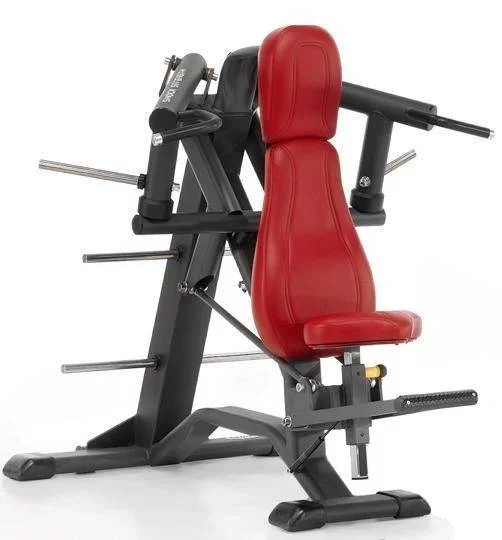
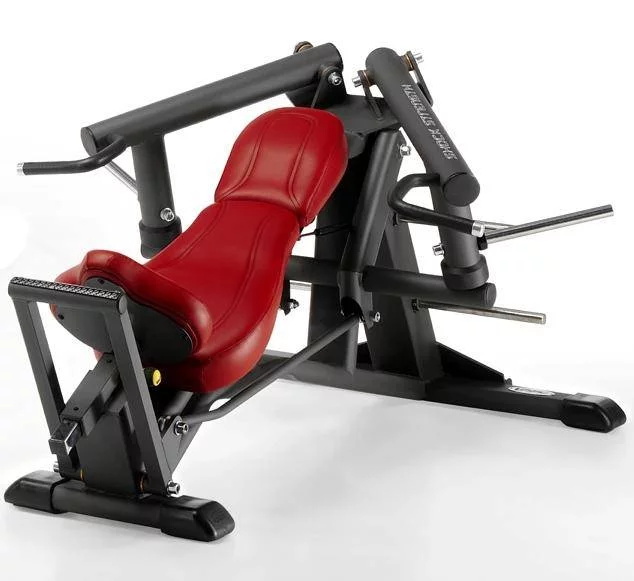
Shock Shoulder Press Machine
Shock Shoulder Press Machine : shock single station strength machines, marque Light In Fitness, tarif sur devis. Masse 108 kg. Delivery and installation priced on quotation across Europe.
Price on request
Shipping quoted separately The shipping cost is confirmed before you approve the order.
Shock plate-loaded shoulder press: guided overhead pressing that develops all three deltoid heads on a 108 kg commercial frame. Quotation within 24 business hours.
This item is supplied on quotation: configuration, delivery and installation are priced against your project.
Request a quotation +33 6 20 72 66 96
Answer within 24 to 72 business hours, quote reference LIF-16823. Layout study, delivery, installation and after sales.
Description
In brief — Shock Shoulder Press Machine: weight 108 kg, material stainless steel, price on quotation.
The Shock Shoulder Press machine-guides the overhead press, the movement that shapes and strengthens the most-used joint in the upper body. The arm and upper torso meet at the shoulder, and the deltoids fire in almost everything a person does — carrying shopping, reaching a high shelf, even moving a mouse. This seated, plate-loaded press keeps that hard-working joint strong, mobile and visibly developed.
Train all three deltoid heads, safely
The shoulder is not a single lump of muscle at the top of the arm: the deltoid wraps the joint in three distinct bundles — anterior, lateral and posterior — and each needs loading to build full, rounded strength. Overhead pressing is the most efficient way to reach them together, but a free bar overhead is technically demanding. The machine version fixes the path, supports the trunk, and lets members press to fatigue without a spotter.
- Seated overhead press with a guided movement path for safe solo training.
- Develops the anterior, lateral and posterior deltoid bundles plus the triceps.
- Plate-loaded resistance: micro-loadable, progressive, with a free-weight feel.
- Commercial Shock-line construction with 108 kg of frame stability under load.
- Compact 162 × 130 cm footprint for the shoulder corner of the strength floor.
Technical specifications
| Reference | LIF-16823 |
|---|---|
| Dimensions (L × W × H) | 162 × 130 × 136 cm |
| Weight | 108 kg |
| Type | Plate-loaded shoulder press |
| Muscle groups | Deltoids (anterior, lateral, posterior), triceps |
| Price | On request — project quotation within 24 business hours |
Frequently asked questions
Why press overhead on a machine rather than with dumbbells?
Because the failure point is safer: when the deltoids give out, the handles simply return — no dumbbells above a fatigued member’s head, no spotter required, which matters on unsupervised commercial floors.
Does it also work for rehabilitation-style light loading?
Yes — plate loading scales down as well as up, and the supported trunk removes stability demands, so the press can be introduced early in shoulder reconditioning under professional guidance.
What should sit next to it?
Its pulling opposite: the Shock seated row balances pressing volume, and the full line-up is in the Shock strength range.
Request a quotation
Share your equipment plan and we will respond with a tailored proposal — machines, delivery, installation — within 24 business hours.
Additional information
| Weight | 108 kg |
|---|
Delivery and installation
Lead times are confirmed in the quotation according to the product, available stock and destination.
Access requirements and delivery appointments for heavy equipment are agreed before dispatch.
Installation is included when stated for the product or in the quotation; otherwise it is quoted separately.
You may also like…
-
Shock Triceps Machine to Pinterest (opens in a new window)Save on Pinterest : Shock Triceps Machine
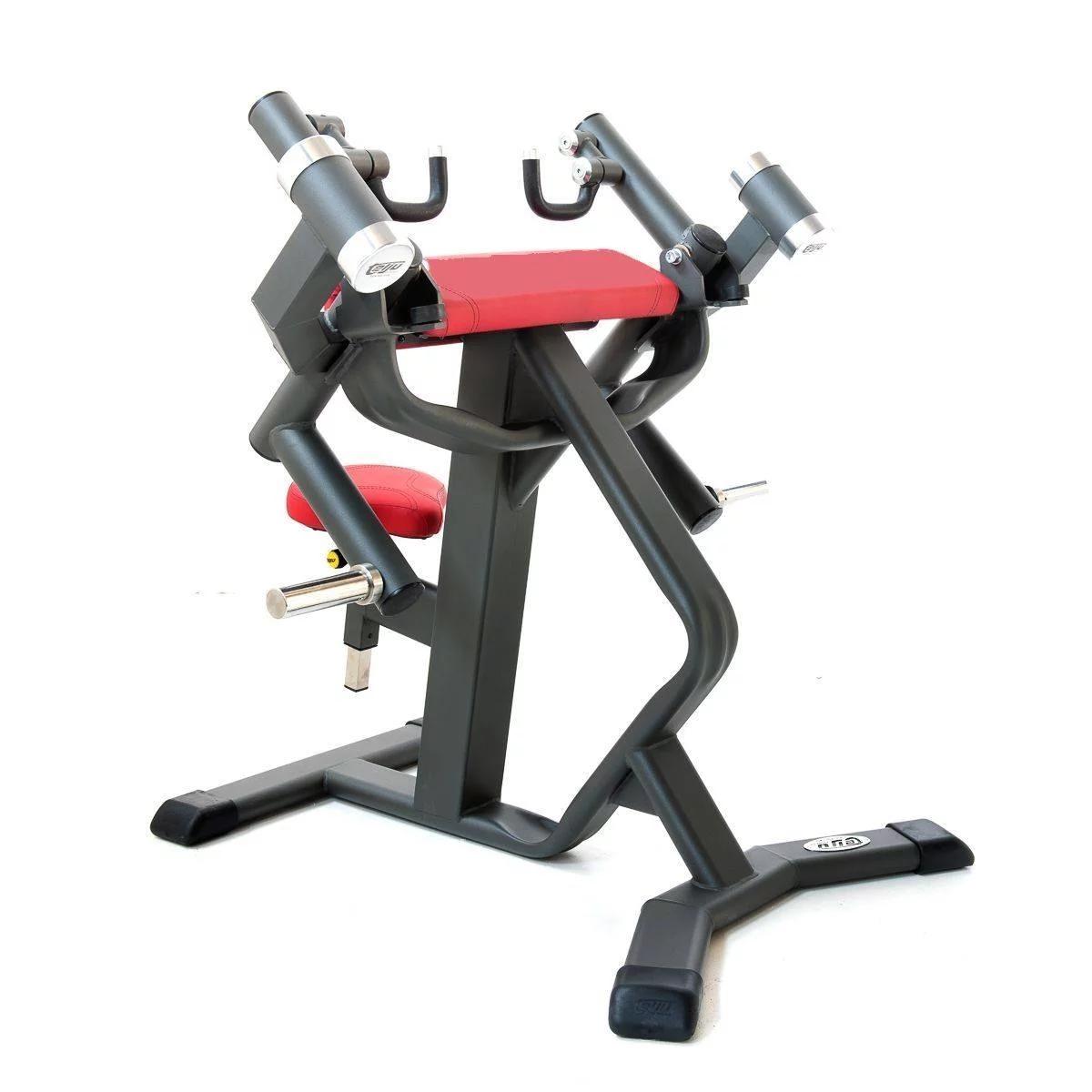 View product
Shock Triceps Machine
Price on request -
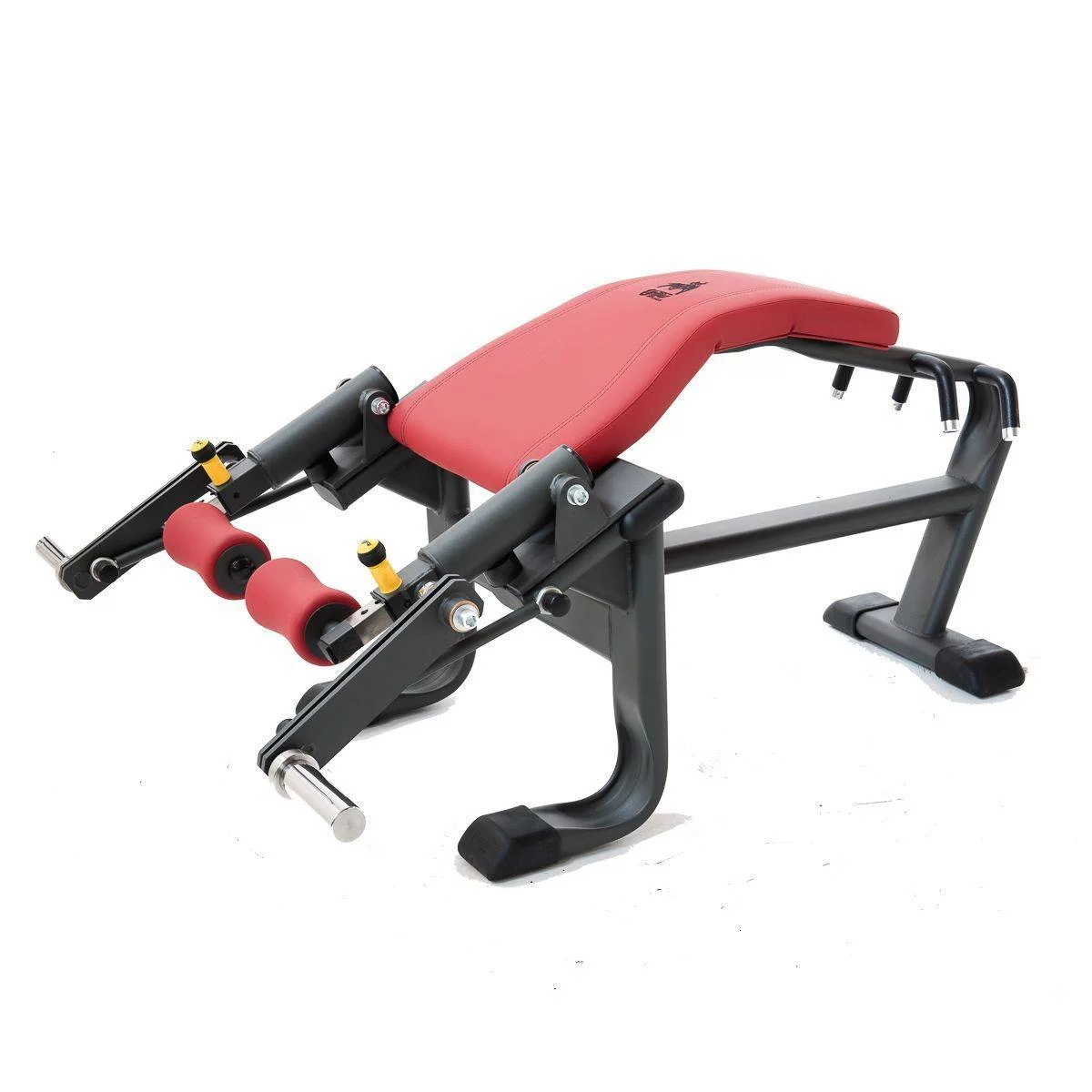
Shock Lying Leg Curl Machine to Pinterest (opens in a new window)Save on Pinterest : Shock Lying Leg Curl Machine
![Shock Lying Leg Curl Machine]() View product
View productShock Lying Leg Curl Machine
Price on request -
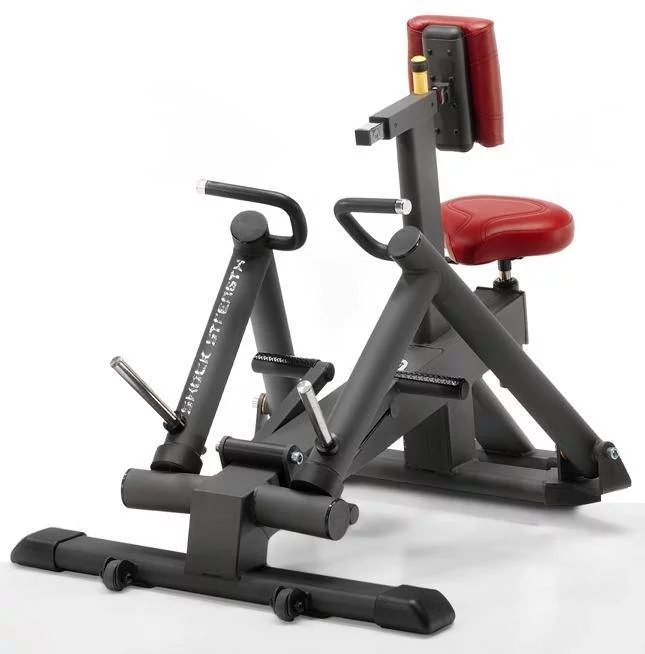
Shock Seated Row Machine to Pinterest (opens in a new window)Save on Pinterest : Shock Seated Row Machine
![Shock Seated Row Machine]() View product
View productShock Seated Row Machine
Price on request -
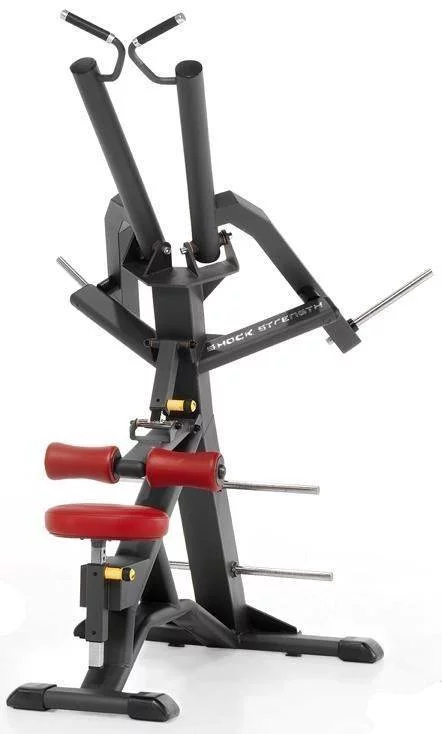
Shock Pull-Up Machine to Pinterest (opens in a new window)Save on Pinterest : Shock Pull-Up Machine
![Shock Pull-Up Machine]() View product
View productShock Pull-Up Machine
Price on request -
Shock Incline Chest Press Machine to Pinterest (opens in a new window)Save on Pinterest : Shock Incline Chest Press Machine
![Shock Incline Chest Press Machine]() View product
View productShock Incline Chest Press Machine
Price on request
Related products
-
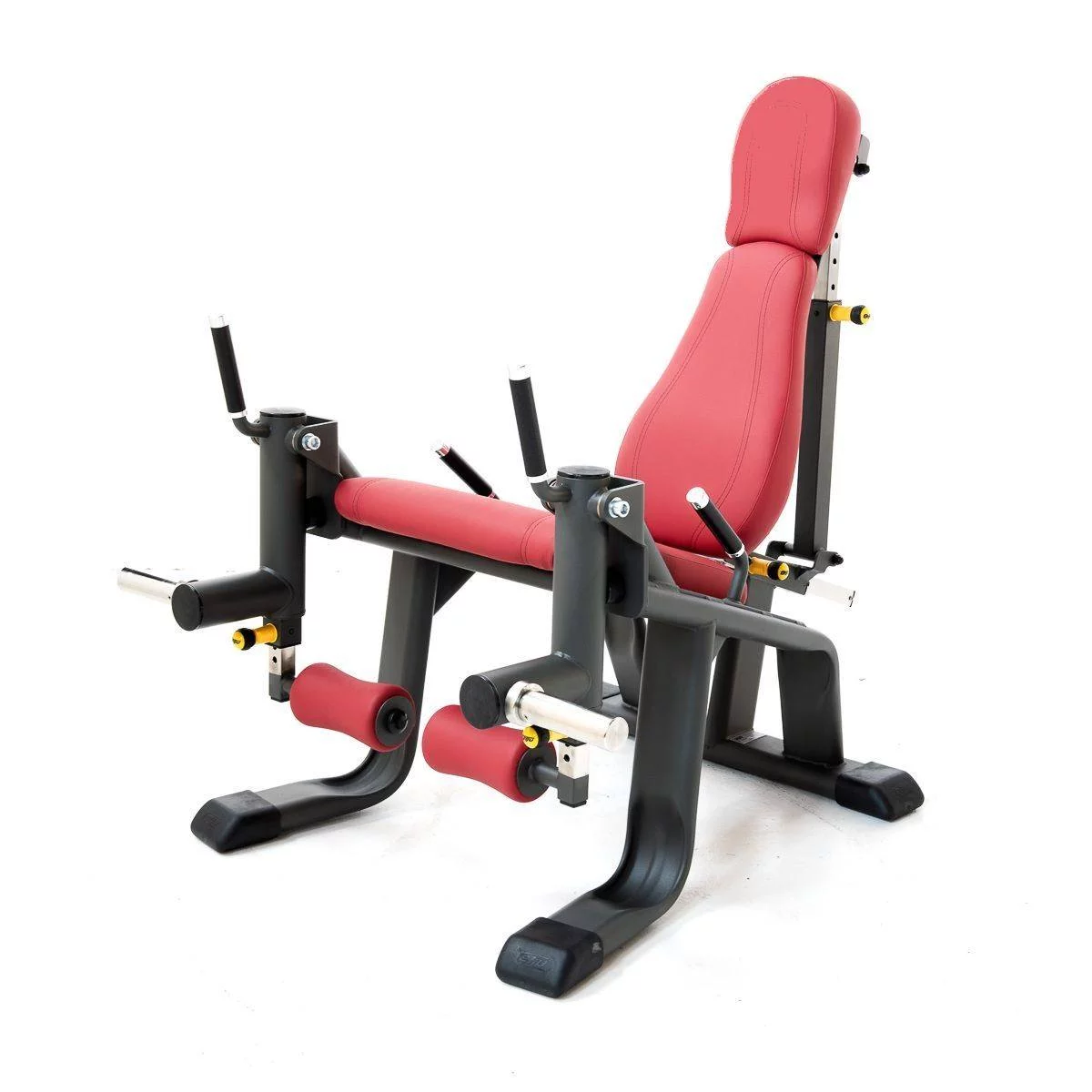
Shock Leg Extension Machine to Pinterest (opens in a new window)Save on Pinterest : Shock Leg Extension Machine
![Shock Leg Extension Machine]() View product
View productShock Leg Extension Machine
Price on request -
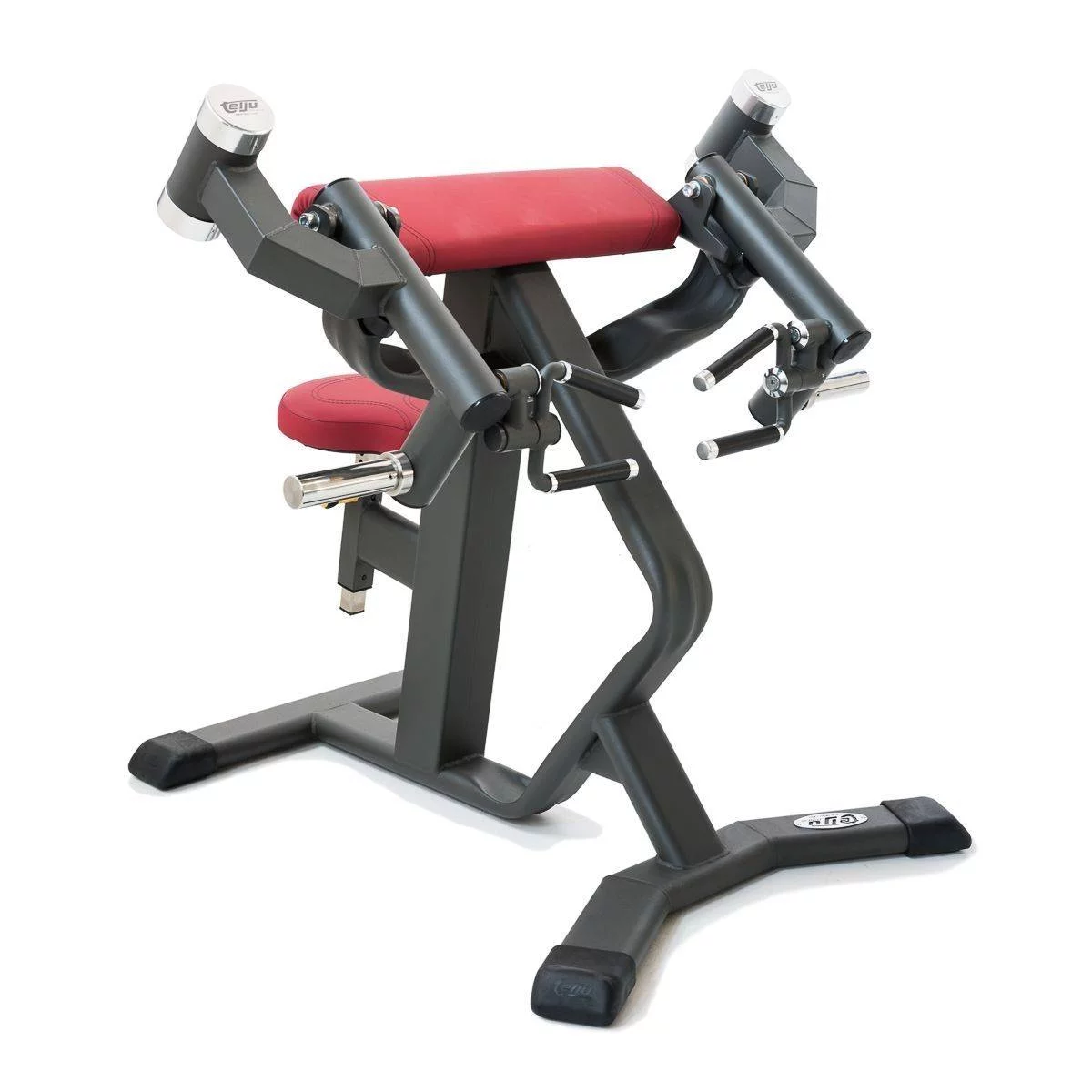
Shock Biceps Machine to Pinterest (opens in a new window)Save on Pinterest : Shock Biceps Machine
![Shock Biceps Machine]() View product
View productShock Biceps Machine
Price on request -
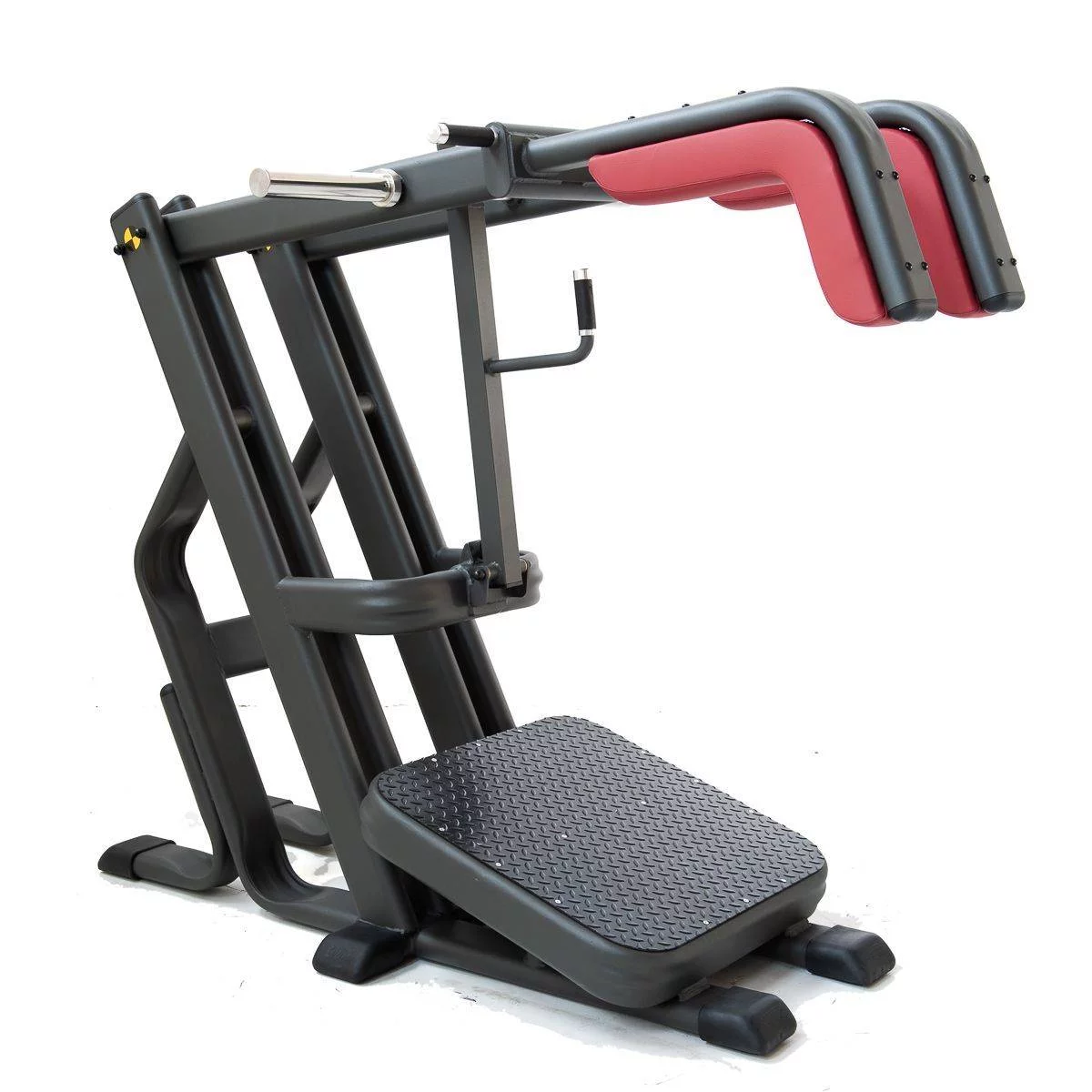
Shock Super Squat 45° Leg Press to Pinterest (opens in a new window)Save on Pinterest : Shock Super Squat 45° Leg Press
![Shock Super Squat 45° Leg Press]() View product
View productShock Super Squat 45° Leg Press
Price on request