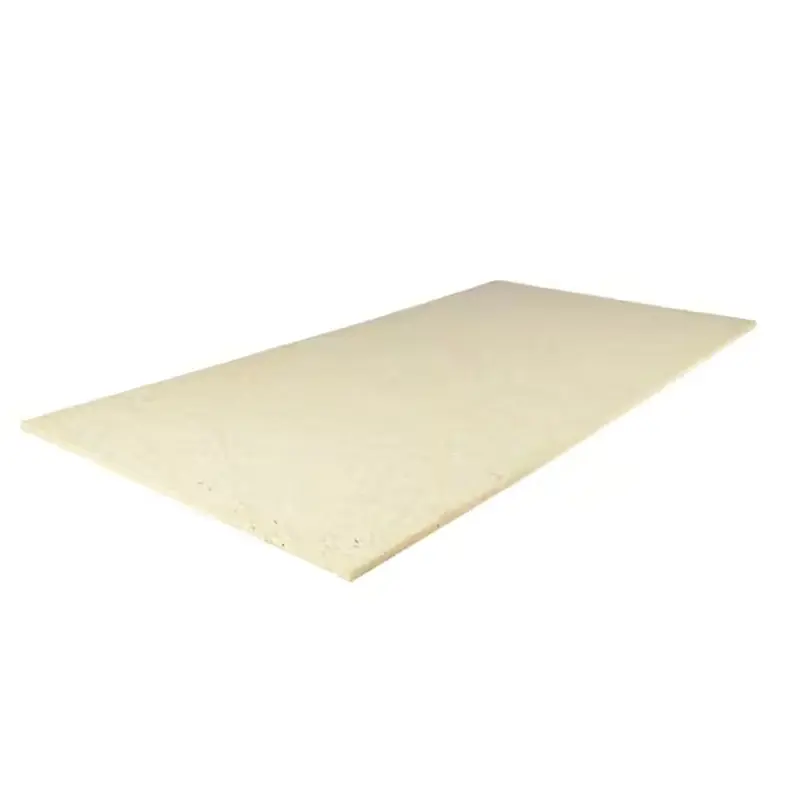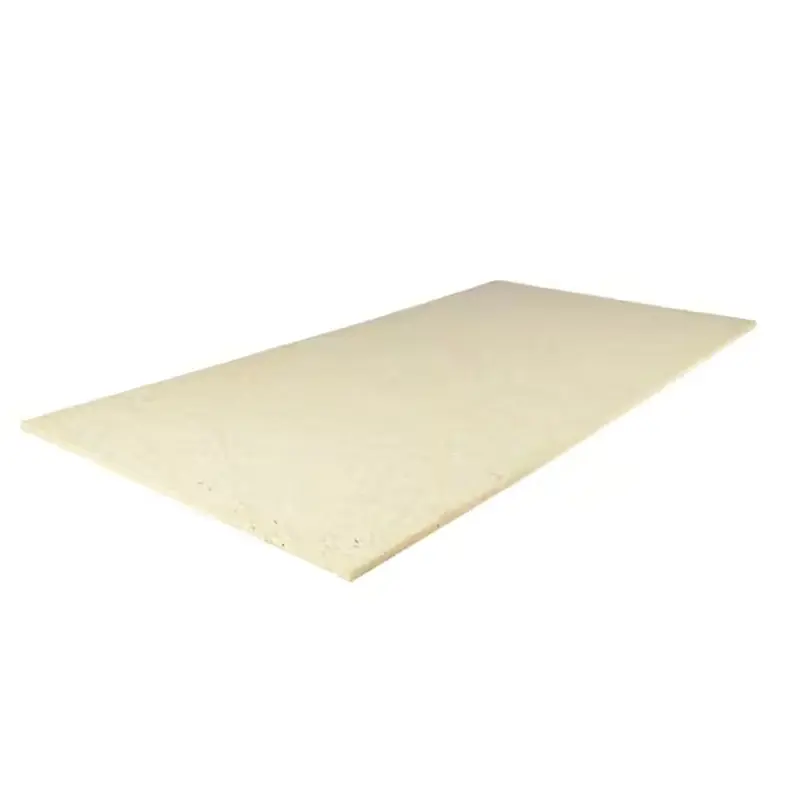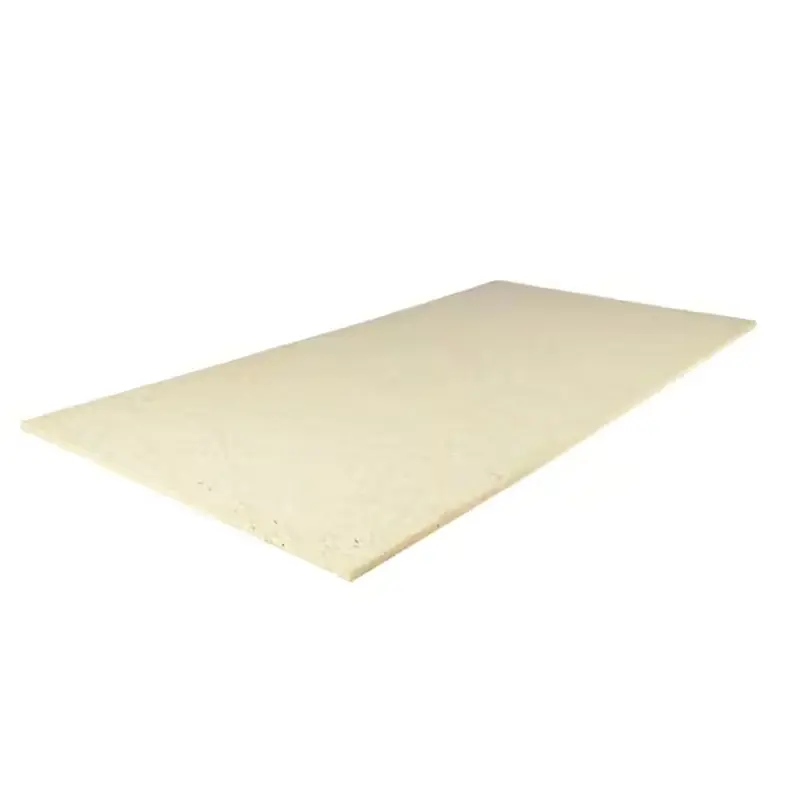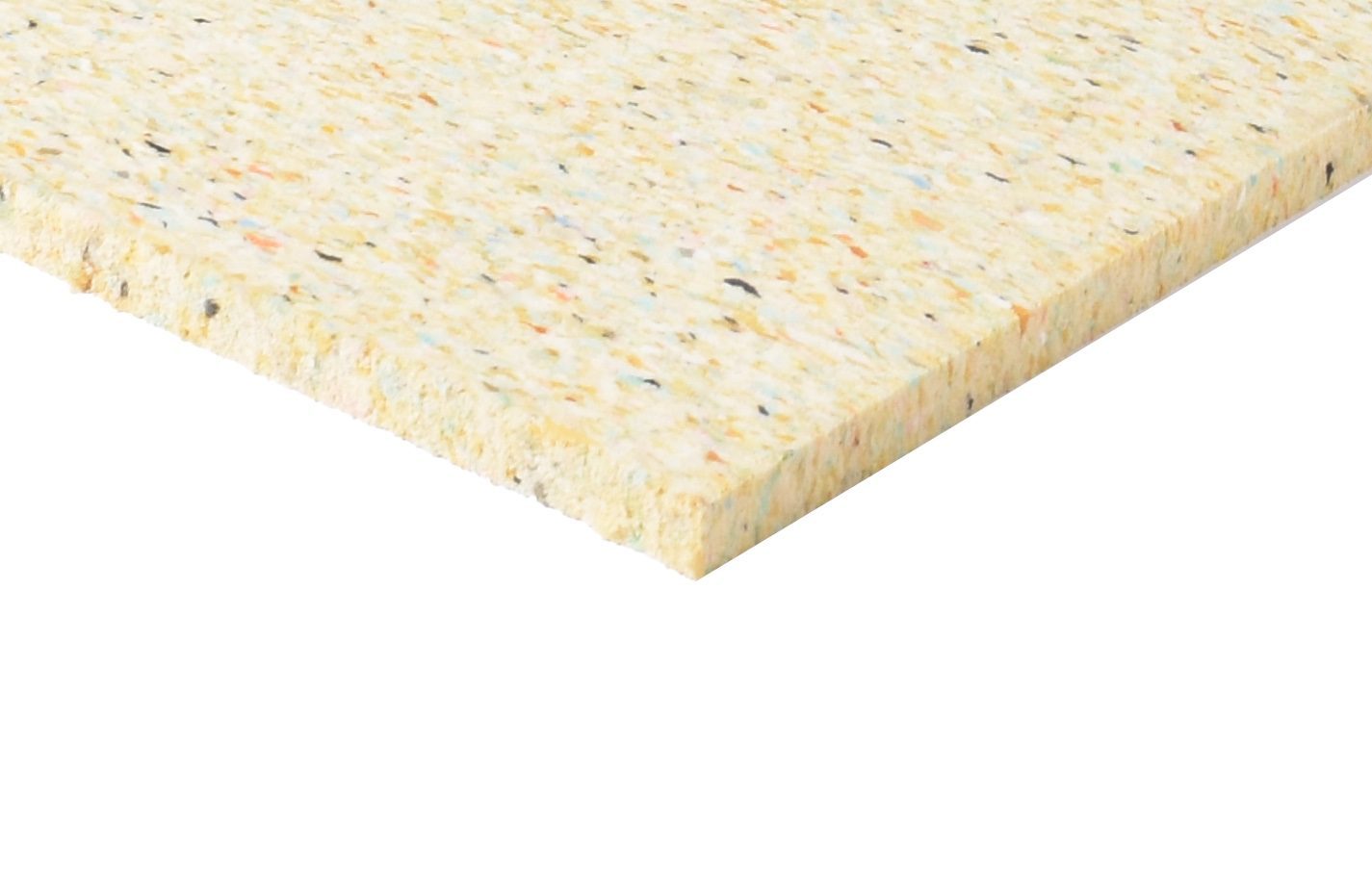
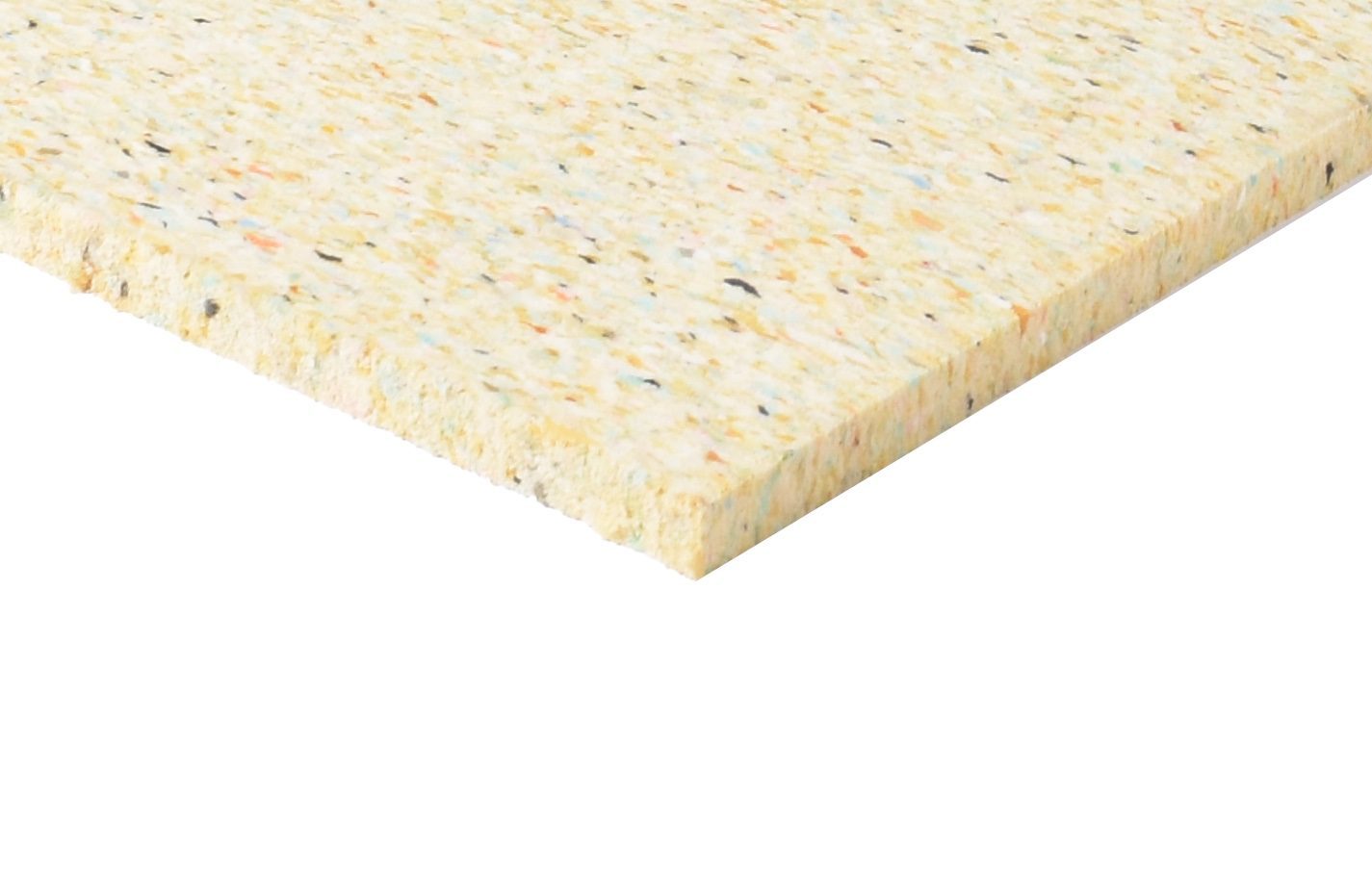
PU Acoustic Underlay Board 15 mm — 100 × 200 cm, 200 kg/m³
PU Acoustic Underlay Board 15 mm — 100 × 200 cm, 200 kg/m³ : acoustic and impact underlay for gym floors, marque Light In Fitness, 30,35 EUR excl. VAT. Delivery and installation priced on quotation across Europe.
30.35 € excl. VAT
i.e. 36.42 € TTC selon la destination de livraison
Shipping quoted separately The shipping cost is confirmed before you approve the order.
Composite polyurethane acoustic underlay board, 15 mm thick, 100 × 200 cm, 200 kg/m³. Sound absorption from 50 Hz for floors, walls and machine bases.
Quotation = itemised pricing with delivery, installation and trade discounts, within 24 business hours. No commitment. Our commitments
Warranty: specified in the quotation for each reference — details of our warranties.
Description
In brief — PU Acoustic Underlay Board 15 mm: format 100 × 200 cm, thickness 15 mm, price 30.35 € excl. VAT.
The 15 mm composite polyurethane (PU) acoustic underlay board — 100 × 200 cm, 200 kg/m³, around 3 kg/m² — is the standard-project thickness of the range, between the 10 mm and 20 mm formats. It absorbs sound from 50 Hz, carries 50% more mass per square metre than the 10 mm board while adding only 5 mm of height, and covers 2 m² per board. Priced at 15.18 EUR excluding VAT per m2, with volume discounts on quotation.
Where the 15 mm thickness fits
In renovation work the limiting factor is rarely acoustics — it is geometry. Every millimetre of underlay reduces the clearance under doors and raises thresholds. The 10 mm board passes almost everywhere; the 15 mm board still fits in most cases, since a standard door usually leaves 5 to 20 mm of clearance, while delivering noticeably better attenuation. Beyond 15 mm, a door-by-door check becomes necessary. That is precisely this board’s position: for projects where 10 mm is no longer enough acoustically but 20 mm would cost too much height.
- Density 200 kg/m³ — approximately 3 kg/m² at 15 mm
- Acoustic absorption from 50 Hz, effective on impact noise
- Hypoallergenic, mould-resistant and antibacterial foam
- Anti-slip surface; cuts cleanly with a utility knife and metal rule
- 100 × 200 cm format — 2 m² covered per board
Applications: building, industry, shooting ranges
Under floor coverings in renovation and new construction, the 15 mm board treats footfall and impact noise in residential and office buildings. On walls, fitted behind plasterboard or panelling, it reduces transmission between rooms. In industrial areas it is laid under machines with moderate vibration — small compressors, fans, technical office equipment — to cut vibration transfer to slab and walls. In shooting ranges it contributes to an overall acoustic treatment by partially reducing reflections on floors and walls; heavier duties call for the thicker boards of the same range.
Specifications
| Reference / SKU | LIF-41247 |
|---|---|
| Dimensions | 100 × 200 cm — 2 m² per board |
| Thickness | 15 mm |
| Density | 200 kg/m³ (approx. 3 kg/m²) |
| Acoustic absorption | From 50 Hz |
| Surface | Anti-slip; hypoallergenic, mould-resistant, antibacterial foam |
| Price | 15.18 EUR excluding VAT per m2 (30.35 EUR per 2 m² board), volume discounts on quotation |
What to check before ordering
Measure the clearance under every door in the area before choosing 15 mm over 10 mm in a renovation. Check your floating-floor system’s tolerances: most click-system manufacturers specify underlays of 2 to 5 mm, so validate compatibility — poured screeds and raised floors pose no problem. On concrete in contact with the ground, or in basements, lay a 150-micron PE vapour barrier first: PU foam is not a vapour barrier. Finally, allow a 5 to 10% cutting margin — for 40 m² net, order 22 boards rather than 20.
Frequently asked questions
Does 5 mm more really make a difference versus the 10 mm board?
Yes, through surface mass: roughly 2 kg/m² at 10 mm versus 3 kg/m² at 15 mm — 50% more. In acoustics, added mass means less energy transmitted to the structure, particularly on impact noise and low-frequency vibration from 50 Hz.
Is it compatible with underfloor heating?
Yes. The PU foam withstands normal underfloor-heating operating temperatures. At 15 mm its thermal resistance is higher than the 10 mm board, which can slightly reduce heating efficiency — if thermal performance is the priority, choose 10 mm; if acoustics come first, 15 mm remains compatible. Check your heating manufacturer’s recommendations in case of doubt.
What budget for a 50 m² floor?
50 m² equals 25 boards, or 27 with an 8% cutting margin. For an exact figure including walls and the volume discount applicable to your project, send the total surface to be treated with your quote request.
For a measured quotation — surfaces, cutting margin and volume pricing — send your project details to the Light In Fitness team; quotes are free and returned within 24 to 72 hours.
Need a higher density?
This 15 mm 200 kg/m³ board is also available in 240 kg/m³ and 300 kg/m³: at equal thickness, a higher density offers better resistance to crushing under heavy loads (machines, racks, weightlifting zones).
Delivery and installation
Lead times are confirmed in the quotation according to the product, available stock and destination.
Access requirements and delivery appointments for heavy equipment are agreed before dispatch.
Installation is included when stated for the product or in the quotation; otherwise it is quoted separately.
You may also like…
-
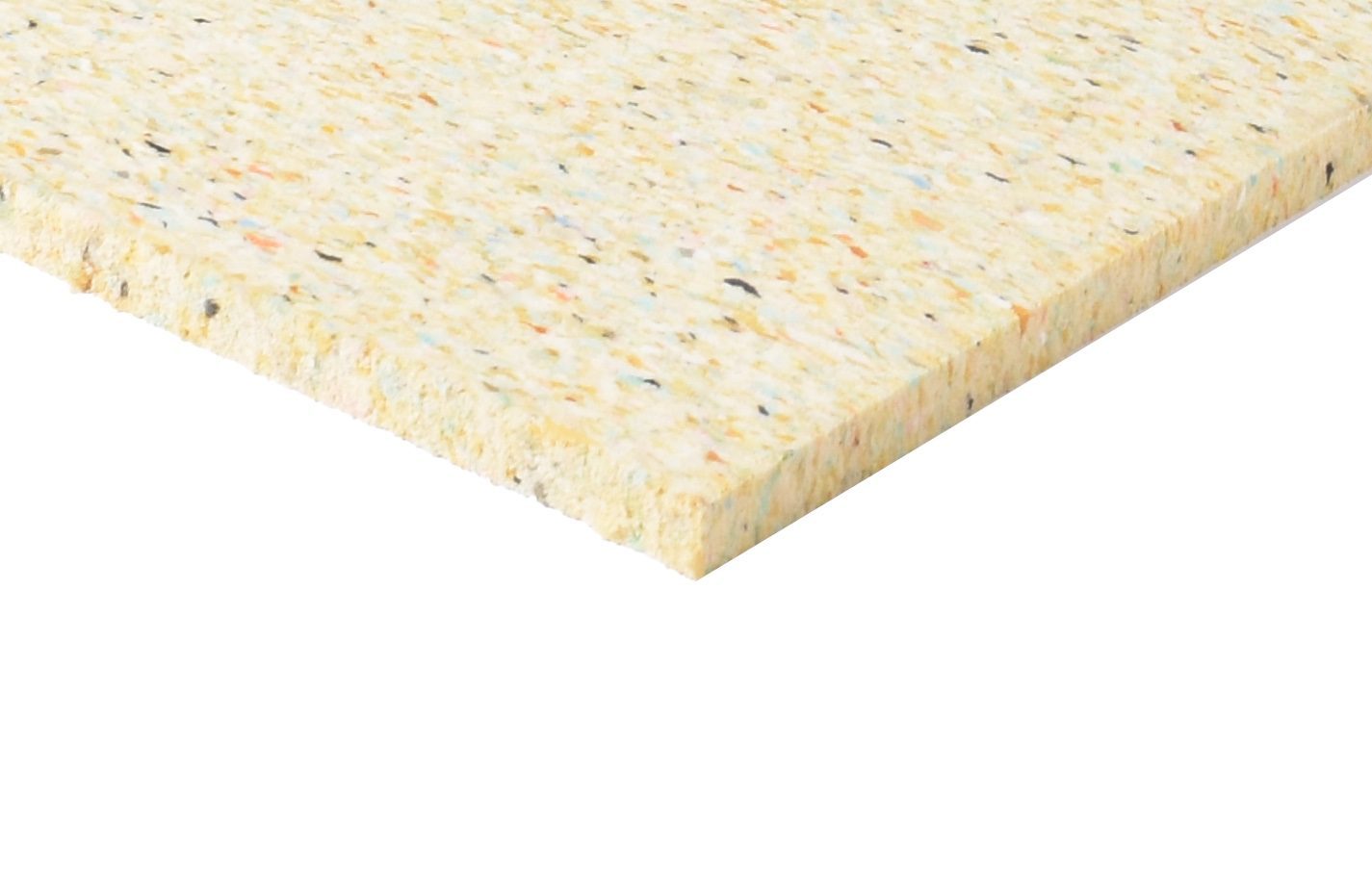
Polyurethane acoustic underlay panel, 20 mm and 200 kg per cubic metre to Pinterest (opens in a new window)Save on Pinterest : Polyurethane acoustic underlay panel, 20 mm and 200 kg per cubic metre
 Add to cartMORE INFO
Polyurethane acoustic underlay panel, 20 mm and 200 kg per cubic metre
40.55 € excl. VAT -
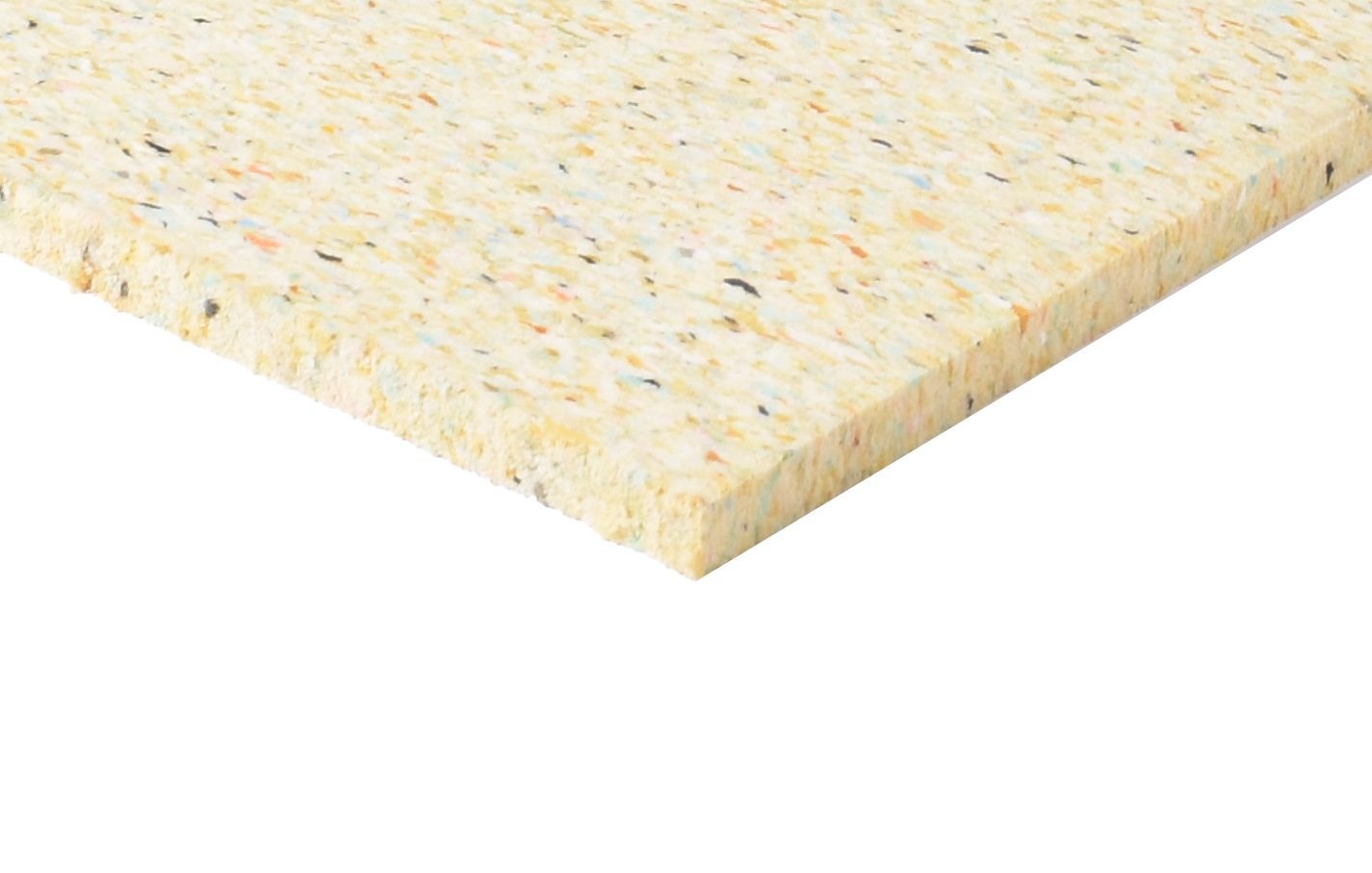
PU Acoustic Underlay Board 10 mm — 100 × 200 cm, 200 kg/m³ to Pinterest (opens in a new window)Save on Pinterest : PU Acoustic Underlay Board 10 mm — 100 × 200 cm, 200 kg/m³
![PU Acoustic Underlay Board 10 mm — 100 × 200 cm, 200 kg/m³]() Add to cartMORE INFO
Add to cartMORE INFOPU Acoustic Underlay Board 10 mm — 100 × 200 cm, 200 kg/m³
20.32 € excl. VAT -
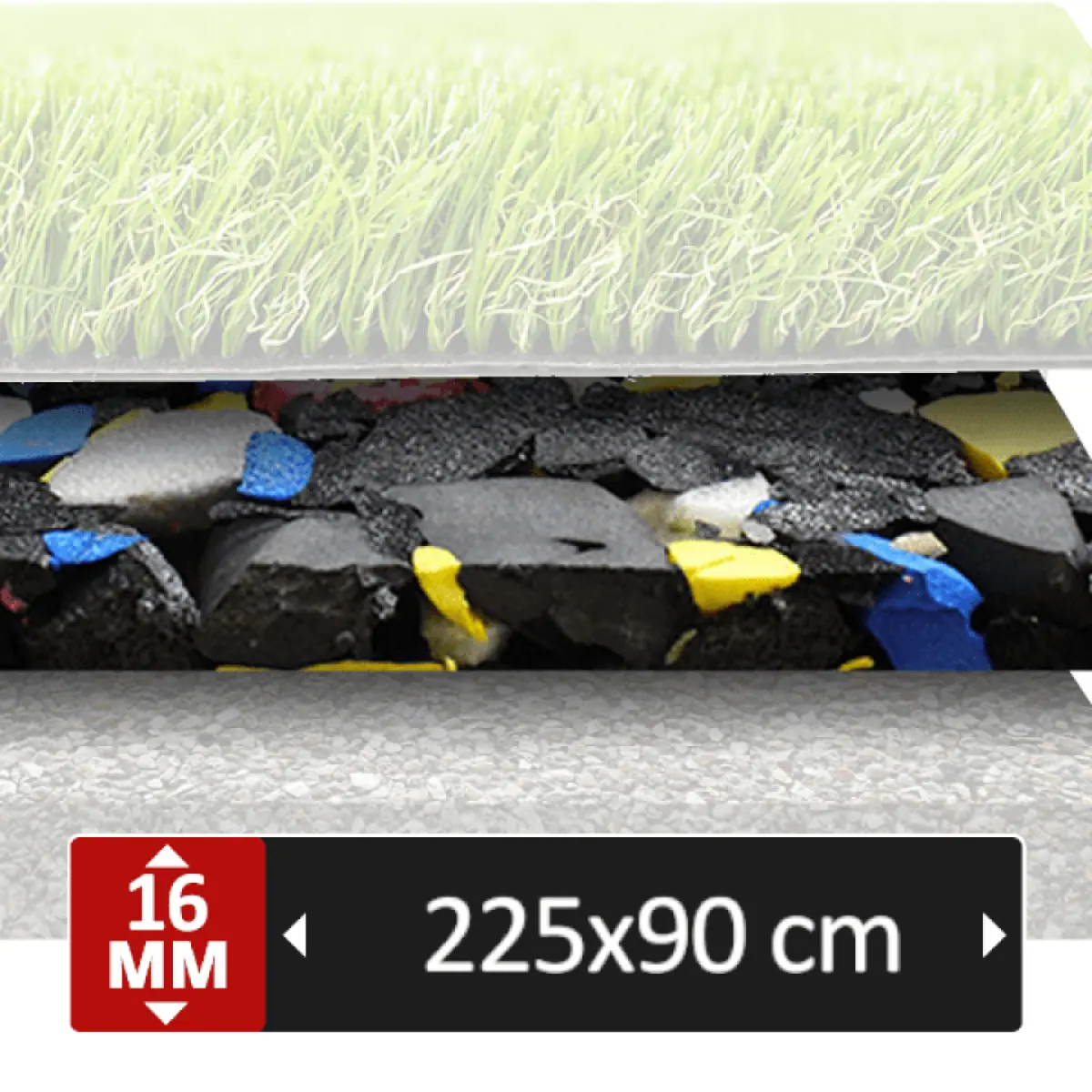
Puzzle Shock-Absorbing Underlay 16 mm — 225 x 90 cm to Pinterest (opens in a new window)Save on Pinterest : Puzzle Shock-Absorbing Underlay 16 mm — 225 x 90 cm
![Puzzle Shock-Absorbing Underlay 16 mm — 225 x 90 cm]() Add to cartMORE INFO
Add to cartMORE INFOPuzzle Shock-Absorbing Underlay 16 mm — 225 x 90 cm
35.00 € excl. VAT -
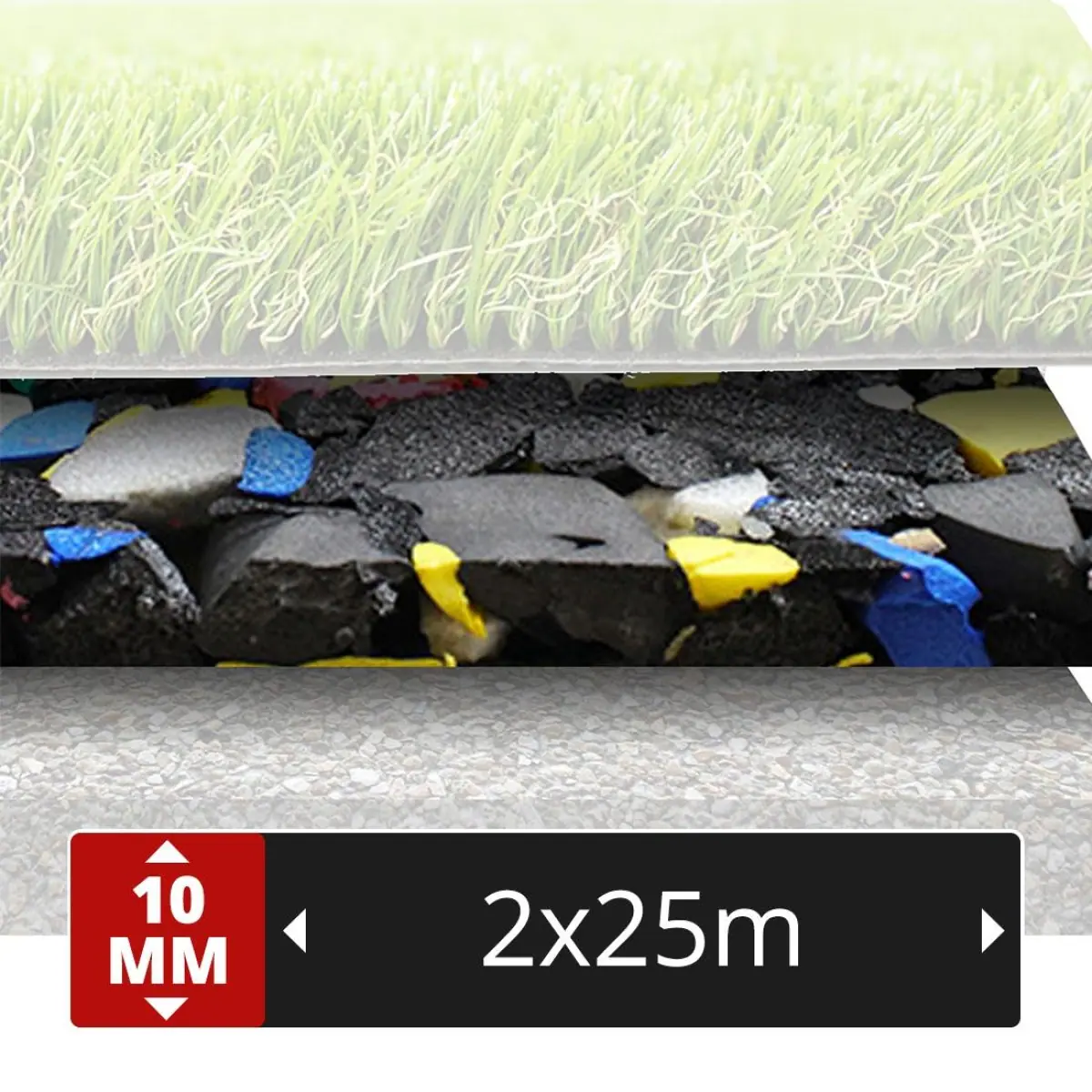
Shock absorbing underlay 10 mm, 2 x 25 m to Pinterest (opens in a new window)Save on Pinterest : Shock absorbing underlay 10 mm, 2 x 25 m
![Sous-couche amortissante 10 mm - Dimensions 2x25 m]() Add to cartMORE INFO
Add to cartMORE INFOShock absorbing underlay 10 mm, 2 x 25 m
450.00 € excl. VAT -
PU Acoustic Underlay Panel 30 mm — 200 x 100 cm, 200 kg/m3 to Pinterest (opens in a new window)Save on Pinterest : PU Acoustic Underlay Panel 30 mm — 200 x 100 cm, 200 kg/m3
![PU Acoustic Underlay Panel 30 mm — 200 x 100 cm, 200 kg/m3]() Add to cartMORE INFO
Add to cartMORE INFOPU Acoustic Underlay Panel 30 mm — 200 x 100 cm, 200 kg/m3
60.56 € excl. VAT
Related products
-
PU foam underlay 15 mm 240 kg/m³ – board 200 × 100 cm to Pinterest (opens in a new window)Save on Pinterest : PU foam underlay 15 mm 240 kg/m³ – board 200 × 100 cm
![PU foam underlay 15 mm 240 kg/m³ – board 200 × 100 cm]() Add to cartMORE INFO
Add to cartMORE INFOPU foam underlay 15 mm 240 kg/m³ – board 200 × 100 cm
36.04 € excl. VAT -
PU foam underlay 20 mm 240 kg/m³ – board 200 × 100 cm to Pinterest (opens in a new window)Save on Pinterest : PU foam underlay 20 mm 240 kg/m³ – board 200 × 100 cm
![PU foam underlay 20 mm 240 kg/m³ – board 200 × 100 cm]() Add to cartMORE INFO
Add to cartMORE INFOPU foam underlay 20 mm 240 kg/m³ – board 200 × 100 cm
48.11 € excl. VAT -
PU foam underlay 10 mm 300 kg/m³ – board 200 × 100 cm to Pinterest (opens in a new window)Save on Pinterest : PU foam underlay 10 mm 300 kg/m³ – board 200 × 100 cm
![PU foam underlay 10 mm 300 kg/m³ – board 200 × 100 cm]() Add to cartMORE INFO
Add to cartMORE INFOPU foam underlay 10 mm 300 kg/m³ – board 200 × 100 cm
28.73 € excl. VAT