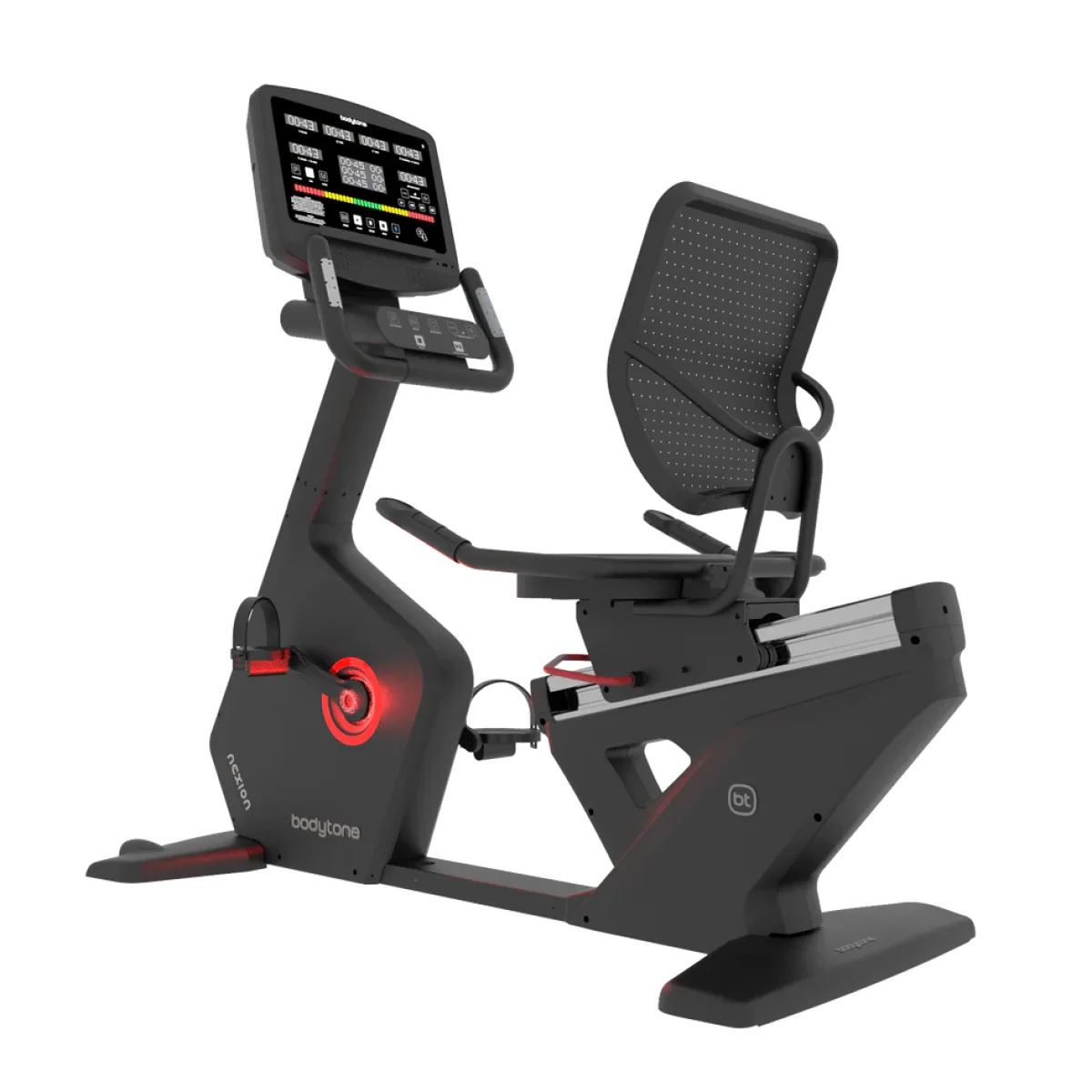
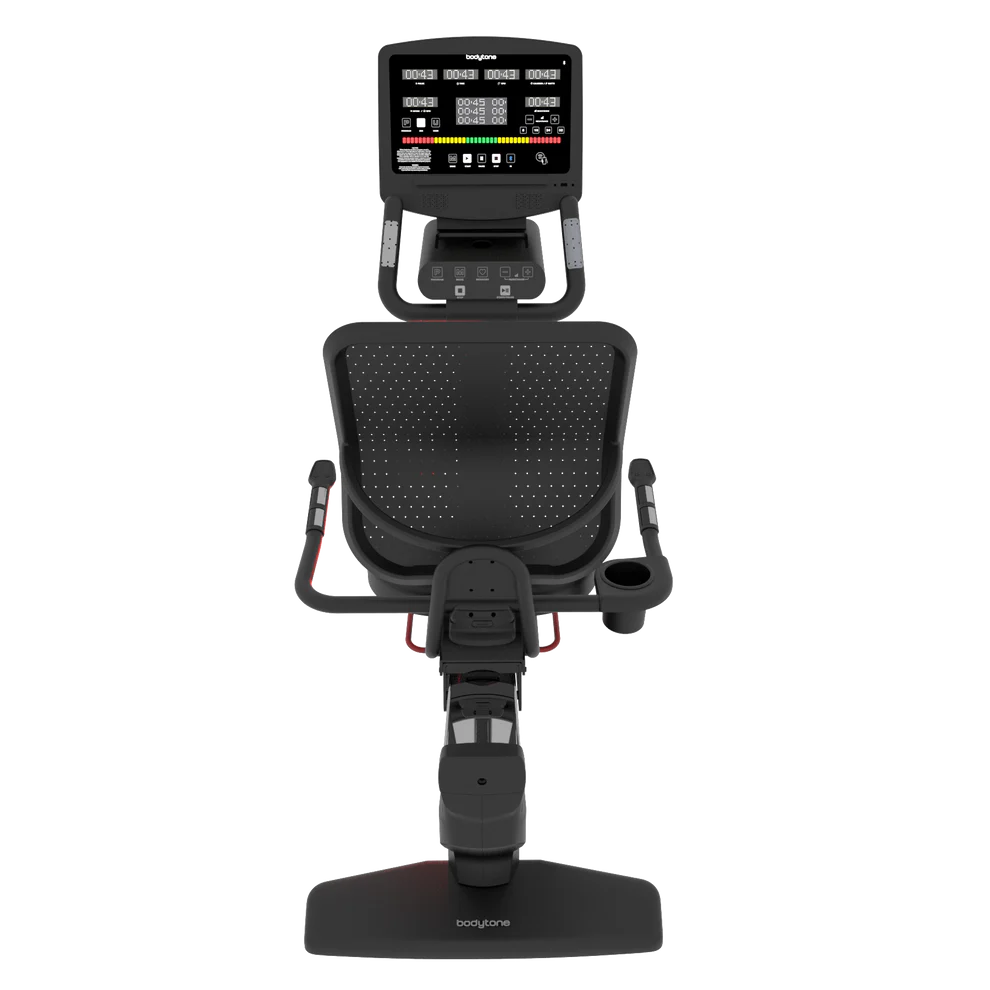
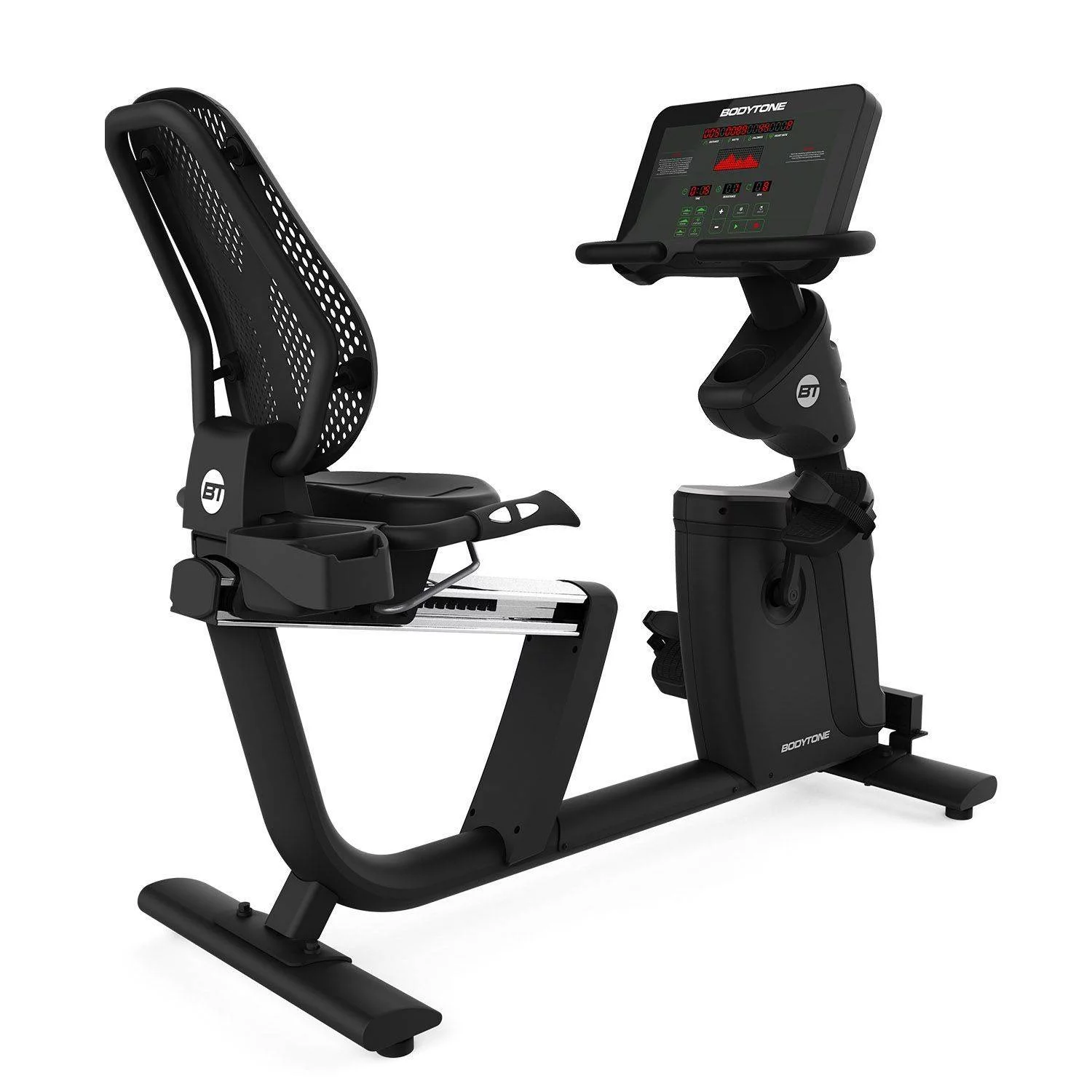
Bodytone Nexion R80L recumbent bike with LED console
Bodytone Nexion R80L recumbent bike with LED console : professional exercise bikes, 2 990,00 EUR excl. VAT. Brand : Bodytone. Delivery and installation priced on quotation across Europe.
2,990.00 € excl. VAT
i.e. 3,588.00 € TTC selon la destination de livraison
Shipping quoted separately The shipping cost is confirmed before you approve the order.
Bodytone Nexion R80L recumbent bike with LED console.
This is the LED-console version, with a standard maximum user weight of 150 kg. A higher user limit requires explicit confirmation of the corresponding option. Bluetooth, NFC and compatible training connectivity do not automatically include a touchscreen, television, streaming subscriptions or a mobile device. Confirm dimensions, mass, electrical requirements and clearance for the supplied configuration. Regular maintenance remains necessary.
Quotation = itemised pricing with delivery, installation and trade discounts, within 24 business hours. No commitment. Our commitments
Conformity: the manufacturer Bodytone confirms EN ISO 20957-1 certification (stationary training equipment) of its professional ranges distributed by Light In Fitness; the certificate for this reference is supplied on request with the quotation.
Bodytone France warranty: 5 years on the frame, 2 years on electronics and mechanical parts (bearings, pulleys, moving parts), 6 months on wear parts — parts, labour and travel included, subject to regular maintenance — detailed conditions.
Description
Bodytone Nexion R80L recumbent bike with LED console.
Configuration and technical checks
This is the LED-console version, with a standard maximum user weight of 150 kg. A higher user limit requires explicit confirmation of the corresponding option. Bluetooth, NFC and compatible training connectivity do not automatically include a touchscreen, television, streaming subscriptions or a mobile device. Confirm dimensions, mass, electrical requirements and clearance for the supplied configuration. Regular maintenance remains necessary.
Technical data
| Maximum user weight | 150 kg |
|---|---|
| Resistance levels | 32 (EMS) |
| Flywheel | 14.2 kg |
Prepare the project
Send the site plan, available space, delivery address and access constraints. Specify the quantity and required installation services so the quotation covers the complete project.
Frequently asked questions
Which specification matters before ordering?
This is the LED-console version, with a standard maximum user weight of 150 kg. A higher user limit requires explicit confirmation of the corresponding option. Bluetooth, NFC and compatible training connectivity do not automatically include a touchscreen, television, streaming subscriptions or a mobile device. Confirm dimensions, mass, electrical requirements and clearance for the supplied configuration. Regular maintenance remains necessary.
What does the quotation include?
Ask for the exact supplied configuration, accessories and delivery arrangements. Transport, installation, lead time and warranty conditions must be specified for your project.
Additional information
| Brand | Bodytone |
|---|
Delivery and installation
Lead times are confirmed in the quotation according to the product, available stock and destination.
Access requirements and delivery appointments for heavy equipment are agreed before dispatch.
Installation is included when stated for the product or in the quotation; otherwise it is quoted separately.
You may also like…
-
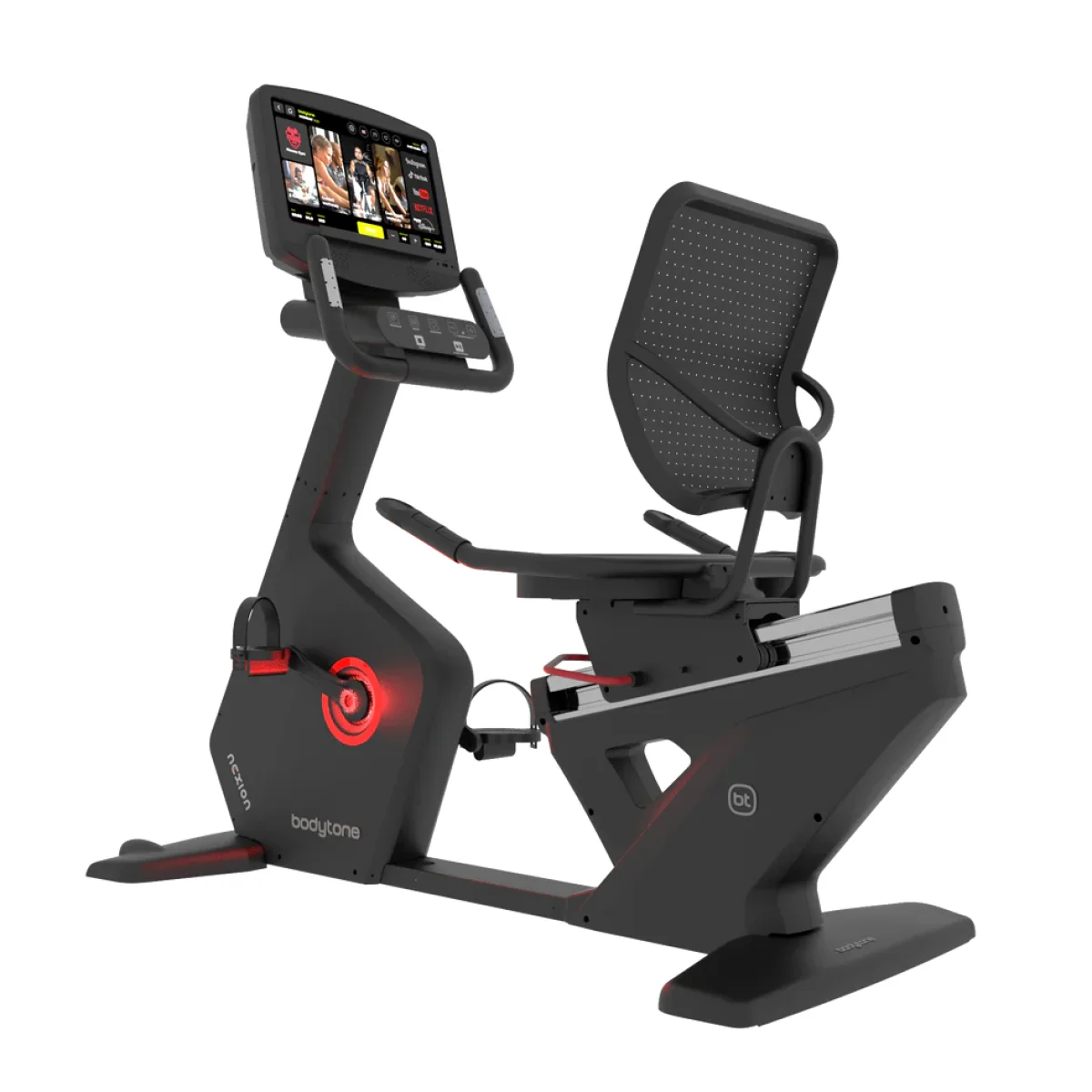
Bodytone Nexion R80T professional recumbent bike to Pinterest (opens in a new window)Save on Pinterest : Bodytone Nexion R80T professional recumbent bike
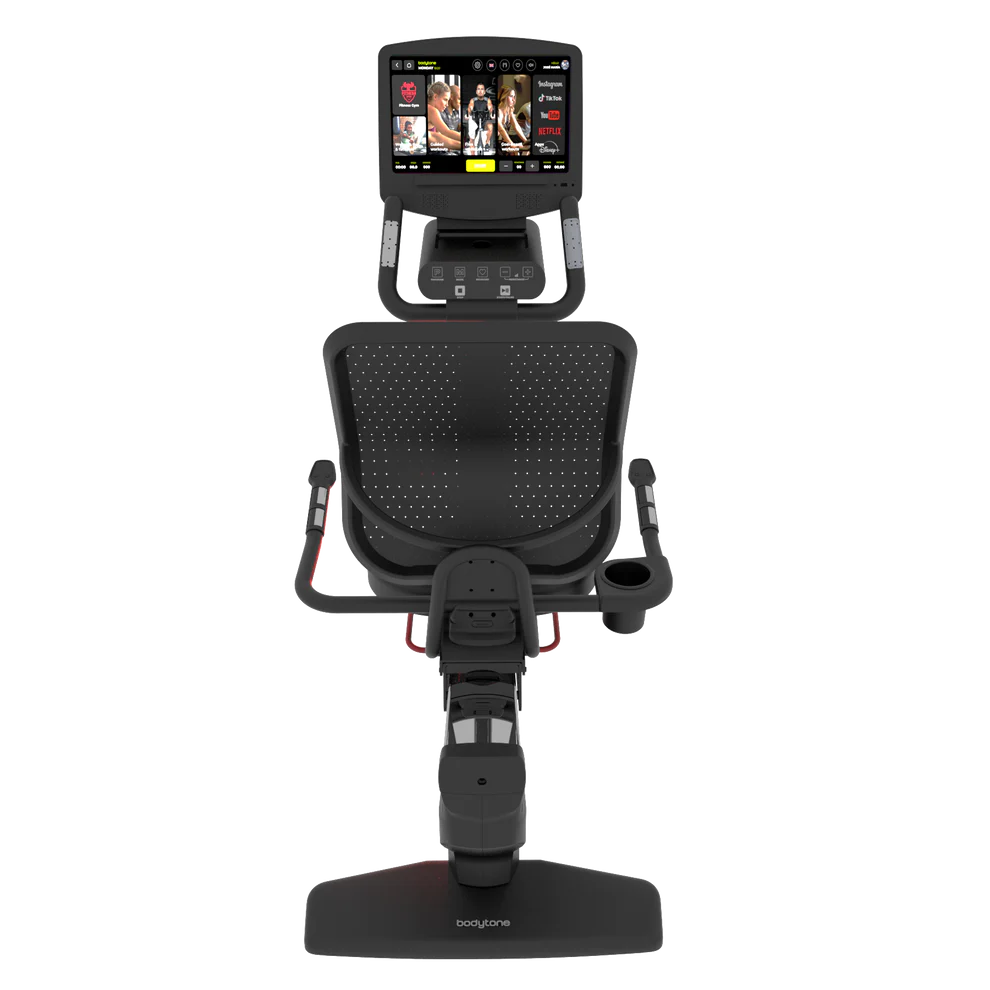 Add to cartMORE INFO
Bodytone Nexion R80T professional recumbent bike
4,370.00 € excl. VAT -
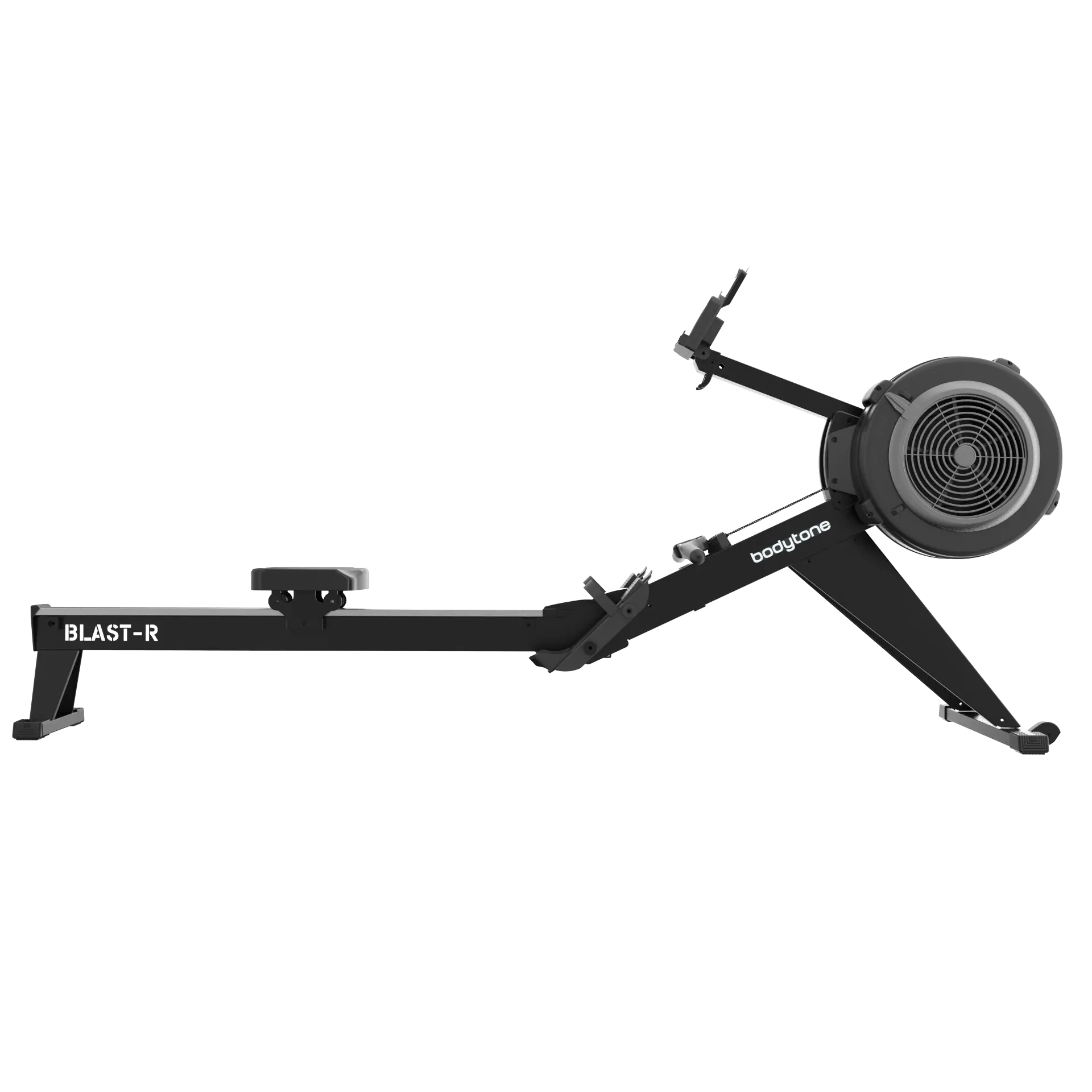
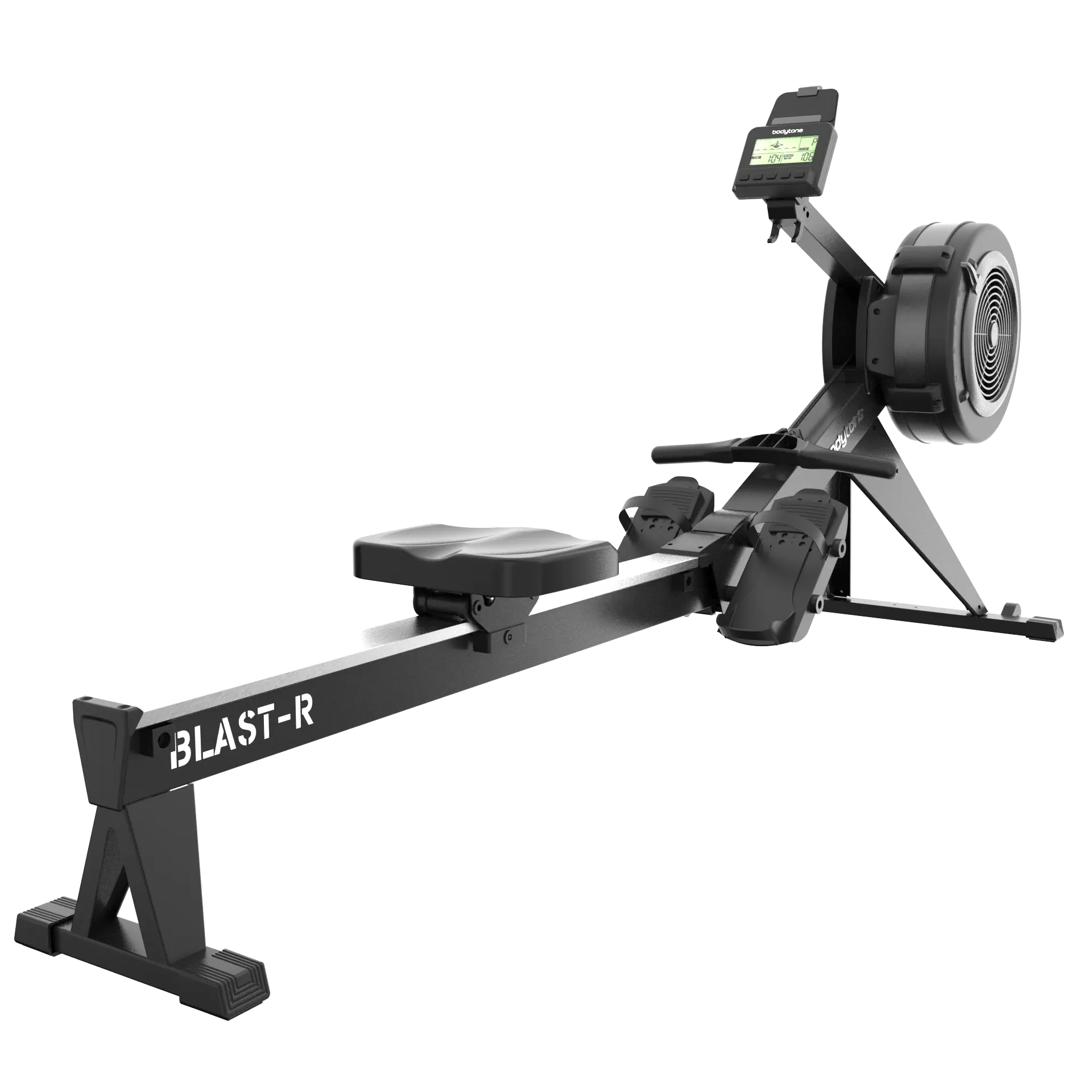
Bodytone BLAST-R air rower for HIIT to Pinterest (opens in a new window)Save on Pinterest : Bodytone BLAST-R air rower for HIIT
![Rameur Bodytone BLAST-R vue 1]()
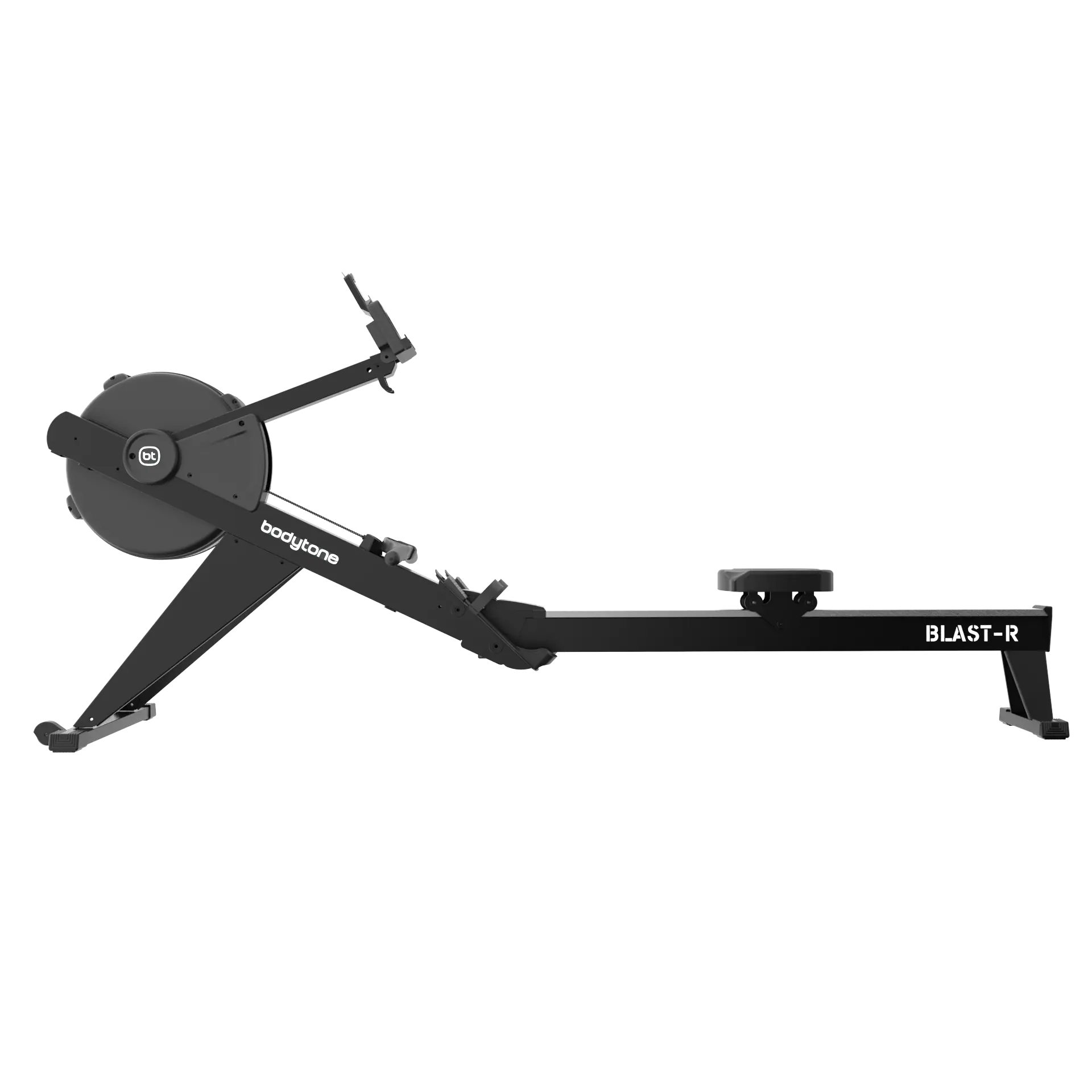 Add to cartMORE INFO
Bodytone BLAST-R air rower for HIIT
1,777.80 € excl. VAT -
Bodytone ZRORv3 ALTO professional rowing machine to Pinterest (opens in a new window)Save on Pinterest : Bodytone ZRORv3 ALTO professional rowing machine
![Bodytone Nexion R80L recumbent bike with LED console]() Add to cartMORE INFO
Add to cartMORE INFOBodytone ZRORv3 ALTO professional rowing machine
2,049.00 € excl. VAT -
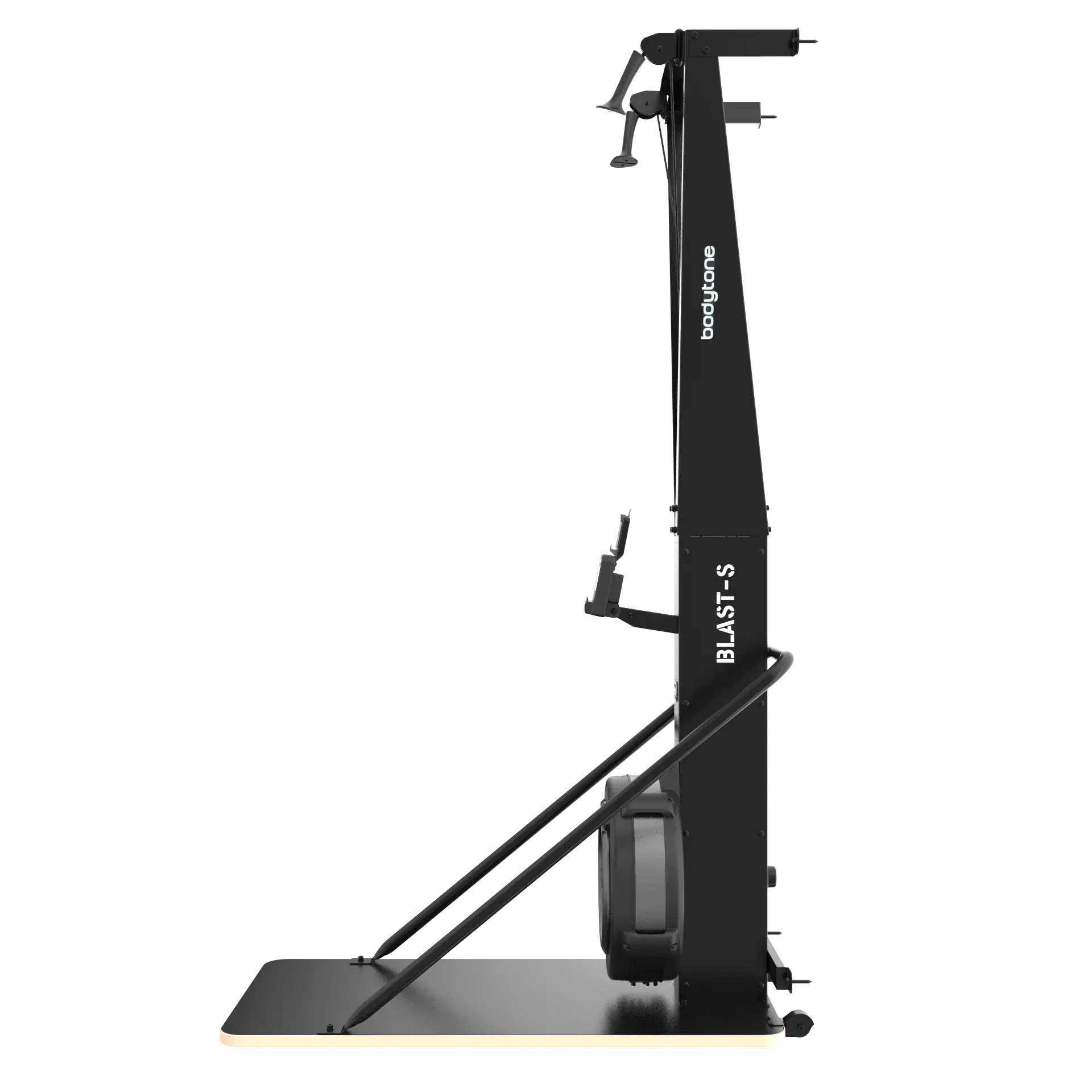
Bodytone BLAST-S Professional SkiErg — Air Resistance, No Electricity | CrossFit, Hyrox to Pinterest (opens in a new window)Save on Pinterest : Bodytone BLAST-S Professional SkiErg — Air Resistance, No Electricity | CrossFit, Hyrox
![Skierg Bodytone BLAST-S vue 1]()
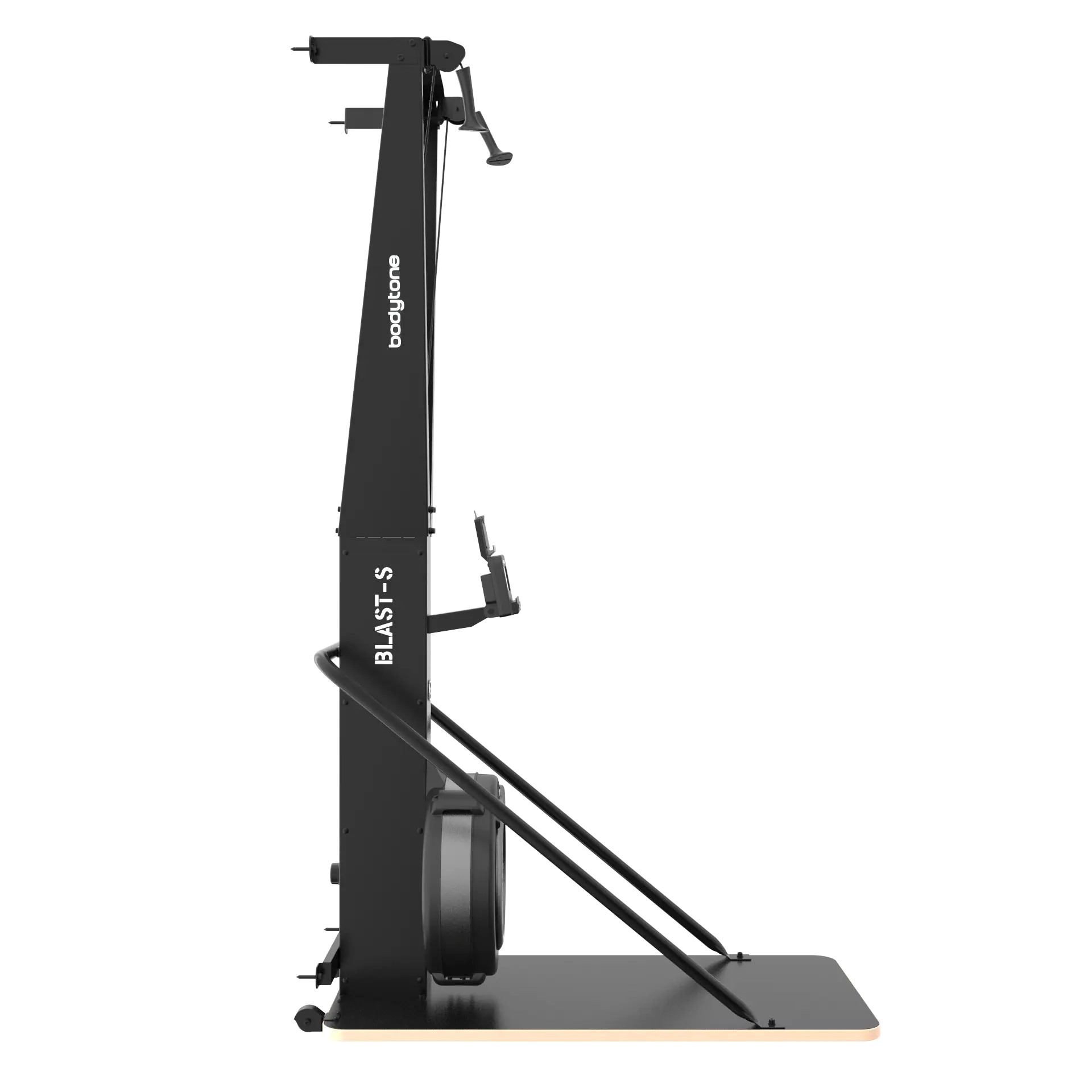 Add to cartMORE INFO
Bodytone BLAST-S Professional SkiErg — Air Resistance, No Electricity | CrossFit, Hyrox
1,653.50 € excl. VAT -
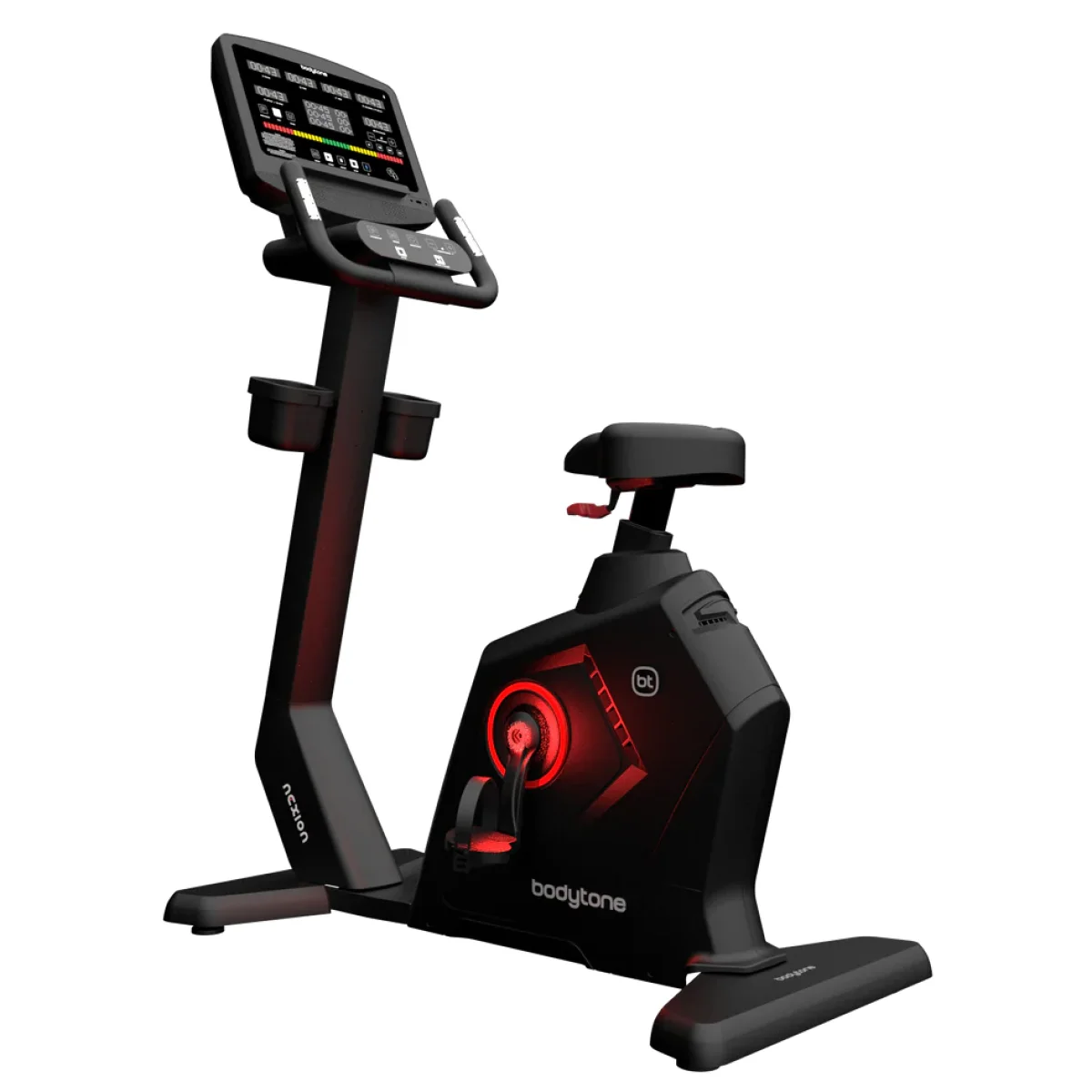
Bodytone Nexion U80L professional upright bike, 32 EMS levels to Pinterest (opens in a new window)Save on Pinterest : Bodytone Nexion U80L professional upright bike, 32 EMS levels
![Bodytone Nexion U80L professional upright bike, 32 EMS levels]()
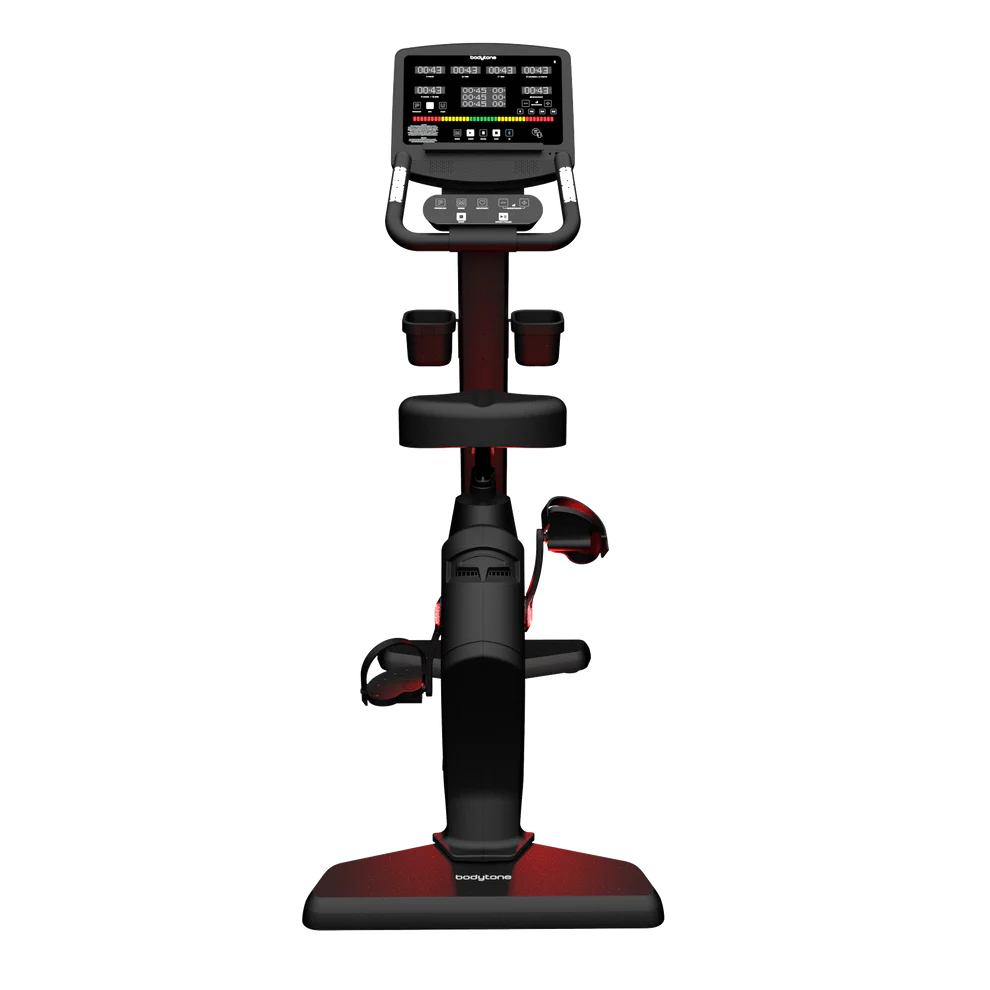 Add to cartMORE INFO
Bodytone Nexion U80L professional upright bike, 32 EMS levels
2,440.00 € excl. VAT
Related products
-
Lexco LR8A professional recumbent bike to Pinterest (opens in a new window)Save on Pinterest : Lexco LR8A professional recumbent bike
![Lexco LR8A professional recumbent bike]() Add to cartMORE INFO
Add to cartMORE INFOLexco LR8A professional recumbent bike
5,025.00 € excl. VAT -
Bodytone EVOR2 recumbent bike with 180 kg capacity to Pinterest (opens in a new window)Save on Pinterest : Bodytone EVOR2 recumbent bike with 180 kg capacity
![Bodytone EVOR2 recumbent bike with 180 kg capacity]()
 Add to cartMORE INFO
Bodytone EVOR2 recumbent bike with 180 kg capacity
4,092.90 € excl. VAT -
DV-PRO Multimedia Upright Bike - Touchscreen Club Cardio to Pinterest (opens in a new window)Save on Pinterest : DV-PRO Multimedia Upright Bike - Touchscreen Club Cardio
![DV-PRO Multimedia Upright Bike - Touchscreen Club Cardio]()
 Add to cartMORE INFO
DV-PRO Multimedia Upright Bike - Touchscreen Club Cardio
2,175.00 € excl. VAT