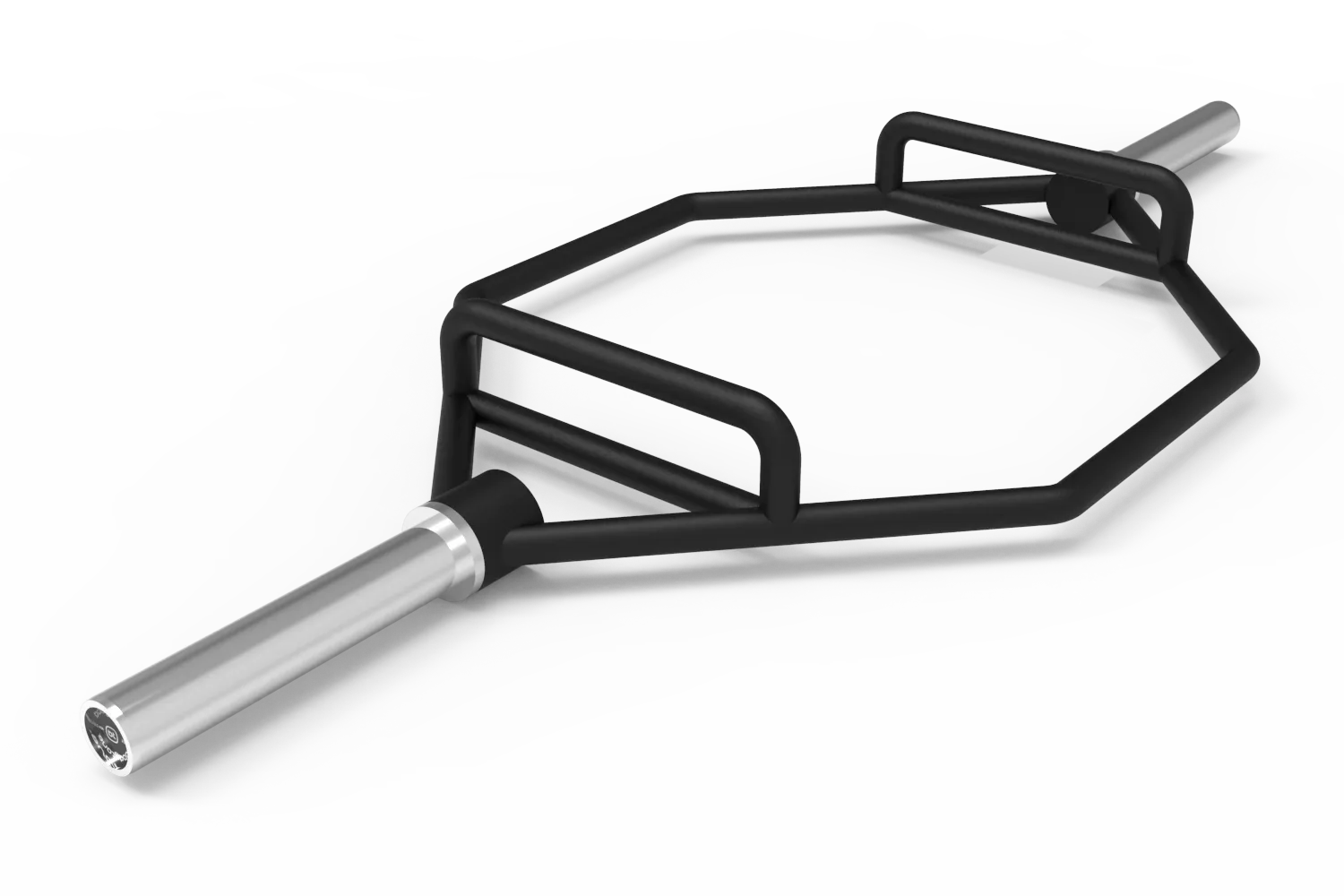
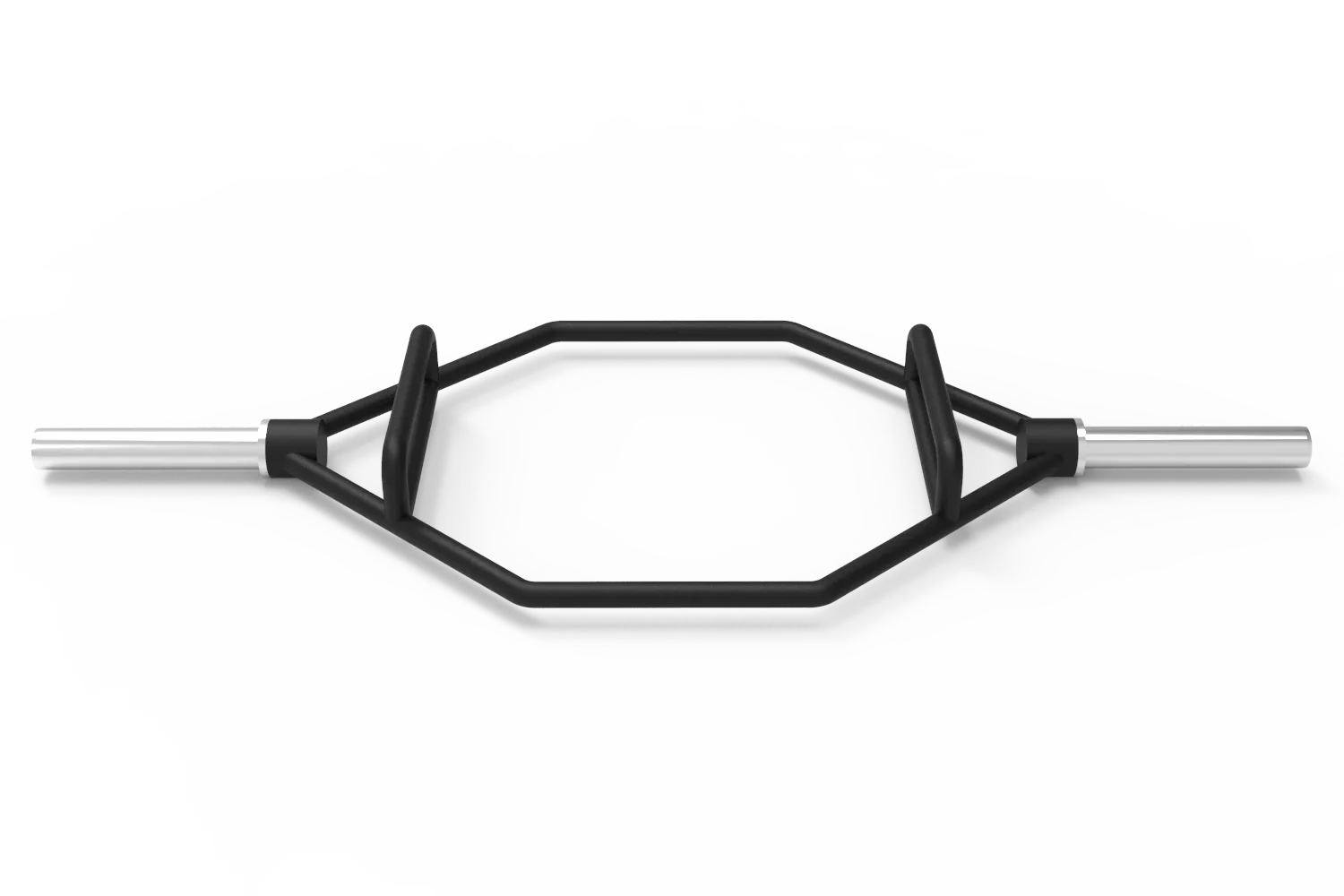
Bodytone hexagonal trap bar, 25 kg and 1500 mm
Bodytone hexagonal trap bar, 25 kg and 1500 mm : professional fitness accessories, 225,00 EUR excl. VAT. Masse 25 kg. Frame material : Acier haute résistance. Brand : Bodytone. Delivery and installation priced on quotation across Europe.
225.00 € excl. VAT
i.e. 270.00 € TTC selon la destination de livraison
Shipping quoted separately The shipping cost is confirmed before you approve the order.
Hexagonal Olympic trap bar of 25 kg and 1500 mm that places the user inside the load for a more natural deadlift posture. High strength steel with 28 mm handles, 50 mm sleeves and EN ISO 20957 conformity.
Quotation = itemised pricing with delivery, installation and trade discounts, within 24 business hours. No commitment. Our commitments
Conformity: the manufacturer Bodytone confirms EN ISO 20957-1 certification (stationary training equipment) of its professional ranges distributed by Light In Fitness; the certificate for this reference is supplied on request with the quotation.
Bodytone France warranty: 5 years on the frame, 2 years on electronics and mechanical parts (bearings, pulleys, moving parts), 6 months on wear parts — parts, labour and travel included, subject to regular maintenance — detailed conditions.
Description
The Bodytone hexagonal trap bar weighs 25 kg, measures 1500 mm and lets the user stand inside the load rather than behind it. That geometry puts the centre of mass in line with the body, producing a straighter bar path and a more upright trunk on deadlifts, which reduces the shear demand placed on the lower back compared with a straight bar. Handles are 28 mm in diameter and set 610 mm apart, and the 50 mm sleeves accept standard Olympic plates. The bar conforms to EN ISO 20957 for professional use and is priced at 225 EUR excluding VAT.
Technical specification
| Brand | Bodytone |
| Type | Hexagonal Olympic trap bar |
| Weight | 25 kg |
| Overall length | 1500 mm |
| Handle diameter | 28 mm |
| Sleeve diameter | 50 mm |
| Distance between handles | 610 mm |
| Loadable sleeve length | 267 mm |
| Material | High strength steel |
| Finish | Matt black, corrosion resistant |
| Compatibility | Standard 50 mm Olympic plates |
| Standard | EN ISO 20957, professional use |
| Price | 225 EUR excluding VAT |
Programming value, floor space and handling
The trap bar solves a coaching problem rather than a loading one. Teaching a straight bar deadlift to a general population takes time and produces a proportion of members who never reach a safe hip hinge; stepping inside a hexagonal frame removes most of that learning curve in a single session. It is therefore the bar to specify for personal training studios, physical preparation centres serving mixed ability groups, and rehabilitation practices reintroducing loaded hinge patterns. Muscles worked include the quadriceps, hamstrings, glutes, trapezius and the back musculature, with the quadriceps contributing more than on a straight bar deadlift.
Storage is the practical constraint. A hexagonal frame does not sit in a standard barbell rack, so allow a dedicated wall space or a floor corner where it can stand on end, and keep that spot close to the platform to avoid members dragging 25 kg of steel across the room. In use it needs a clear square rather than a lane, because loading and unloading happens on both sides of the frame.
Upkeep is minimal: wipe the handles after use, check the welds around the sleeve junctions during the periodic equipment inspection, and confirm the matt finish is intact where plates slide on and off. With 267 mm of loadable sleeve per side, plan collar use for heavier sets and pair the bar with bumper plates if lifters are likely to set the load down quickly.
Frequently asked questions
What is a trap bar used for?
Mainly deadlifts, shrugs, farmer carries, jumps and general strength and power work. Standing inside the load gives a more natural posture on pulling movements than a straight bar.
Does it replace a straight barbell?
No. It complements one. Competition lifting and most pressing work still require a straight bar; the trap bar covers loaded hinge and carry patterns for members who are not ready for, or do not need, a straight bar deadlift.
Is it suitable for rehabilitation settings?
It is widely used in that context because the load line runs through the body and the handles are raised, which shortens the range of motion at the start of the lift. Programming remains the responsibility of the supervising practitioner.
Request a quotation and our team replies within 24 working hours. Browse the range of Olympic barbells.
Additional information
| Weight | 25 kg |
|---|---|
| Frame material | Acier haute résistance |
| Brand | Bodytone |
Delivery and installation
Lead times are confirmed in the quotation according to the product, available stock and destination.
Access requirements and delivery appointments for heavy equipment are agreed before dispatch.
Installation is included when stated for the product or in the quotation; otherwise it is quoted separately.
You may also like…
-
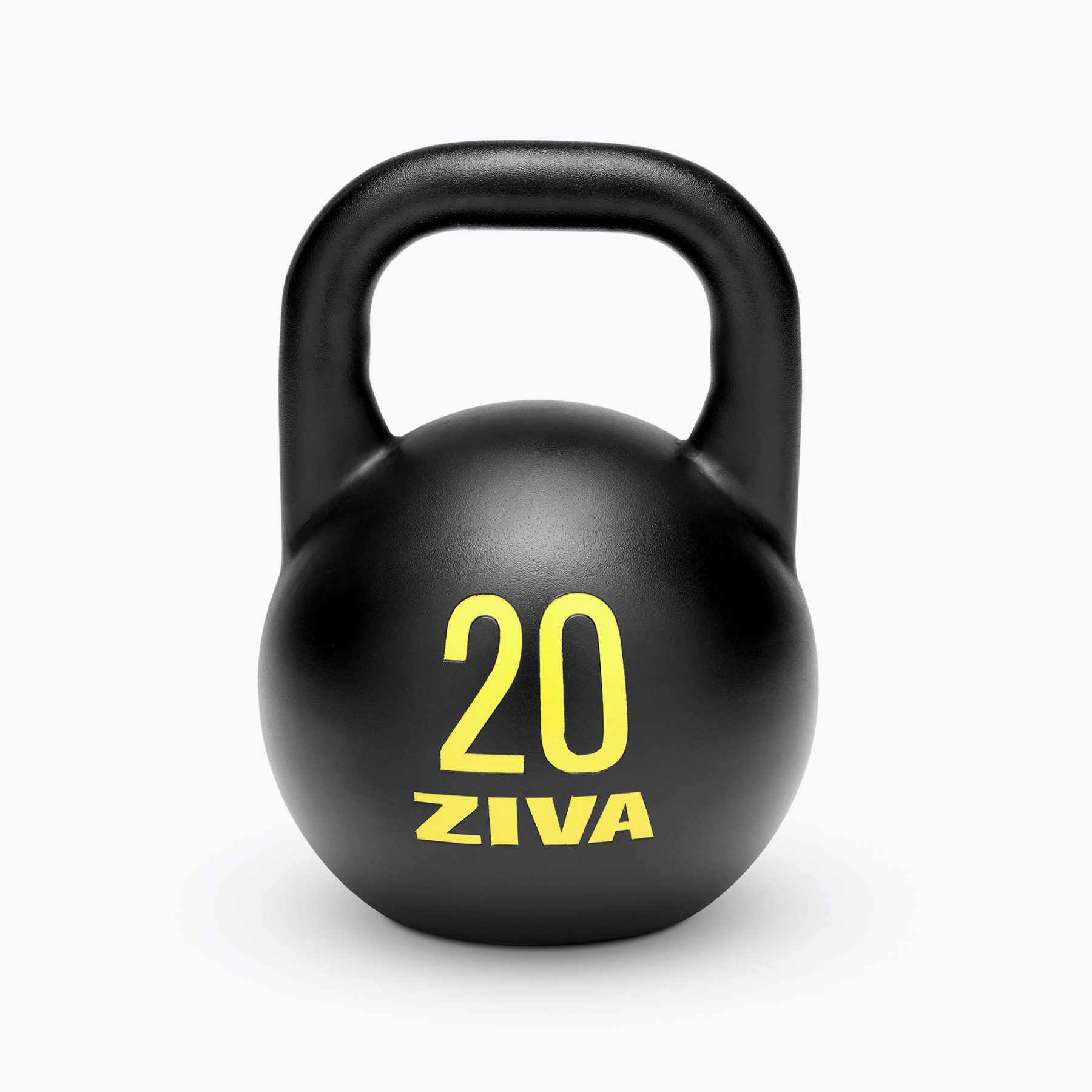
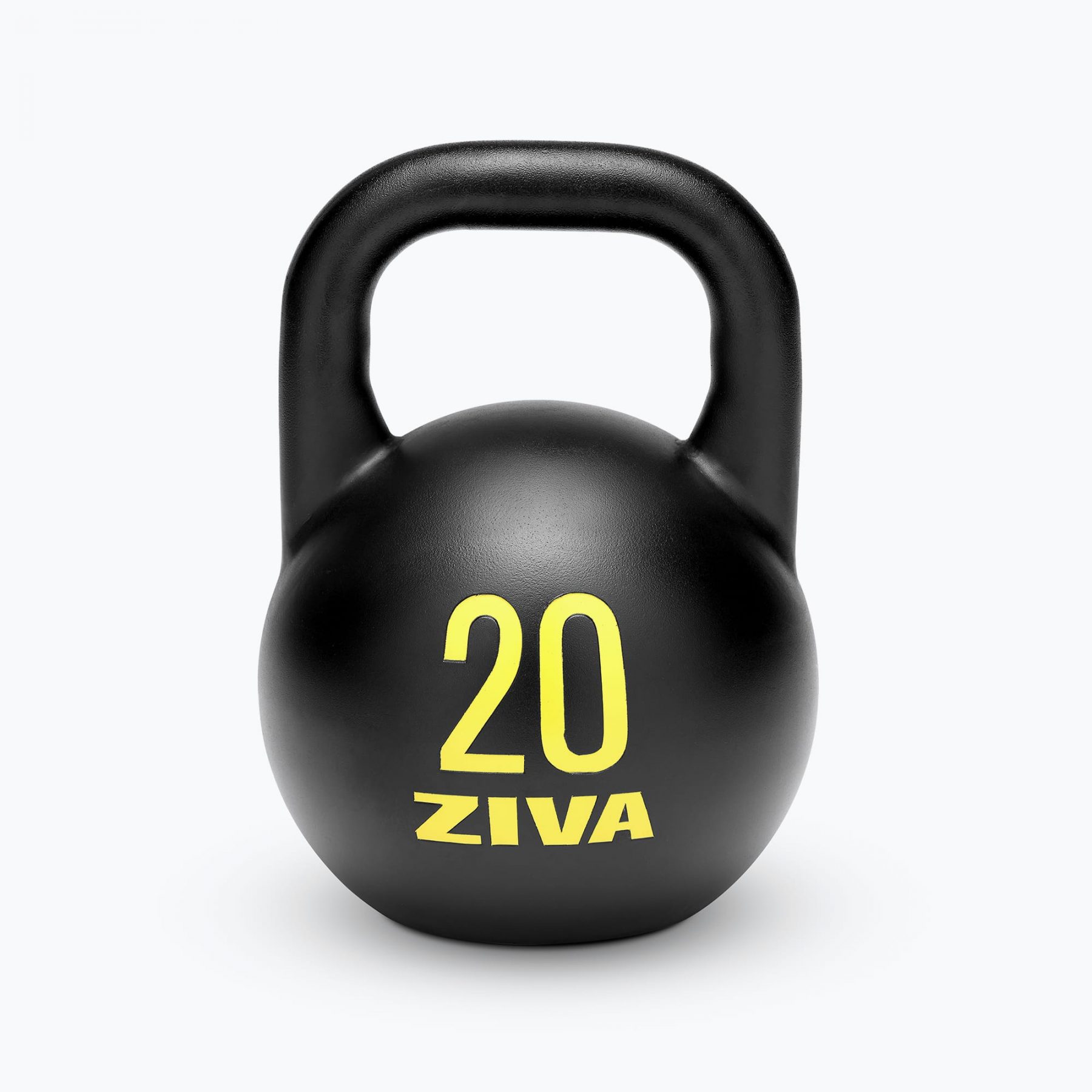
Steve Cotter Signature Steel Competition Kettlebell 6 kg to Pinterest (opens in a new window)Save on Pinterest : Steve Cotter Signature Steel Competition Kettlebell 6 kg
 Add to cartMORE INFO
Steve Cotter Signature Steel Competition Kettlebell 6 kg
74.00 € excl. VAT -
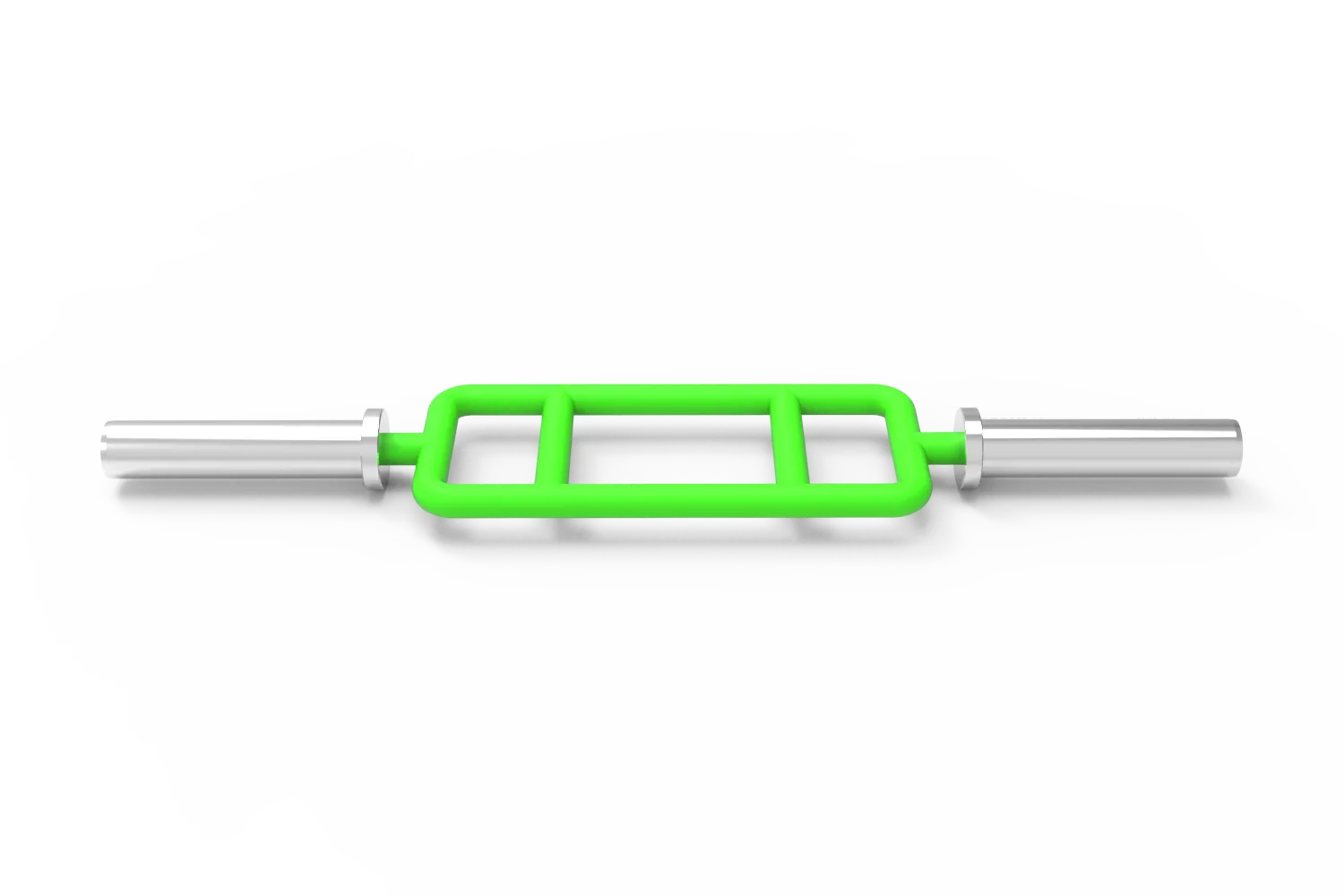
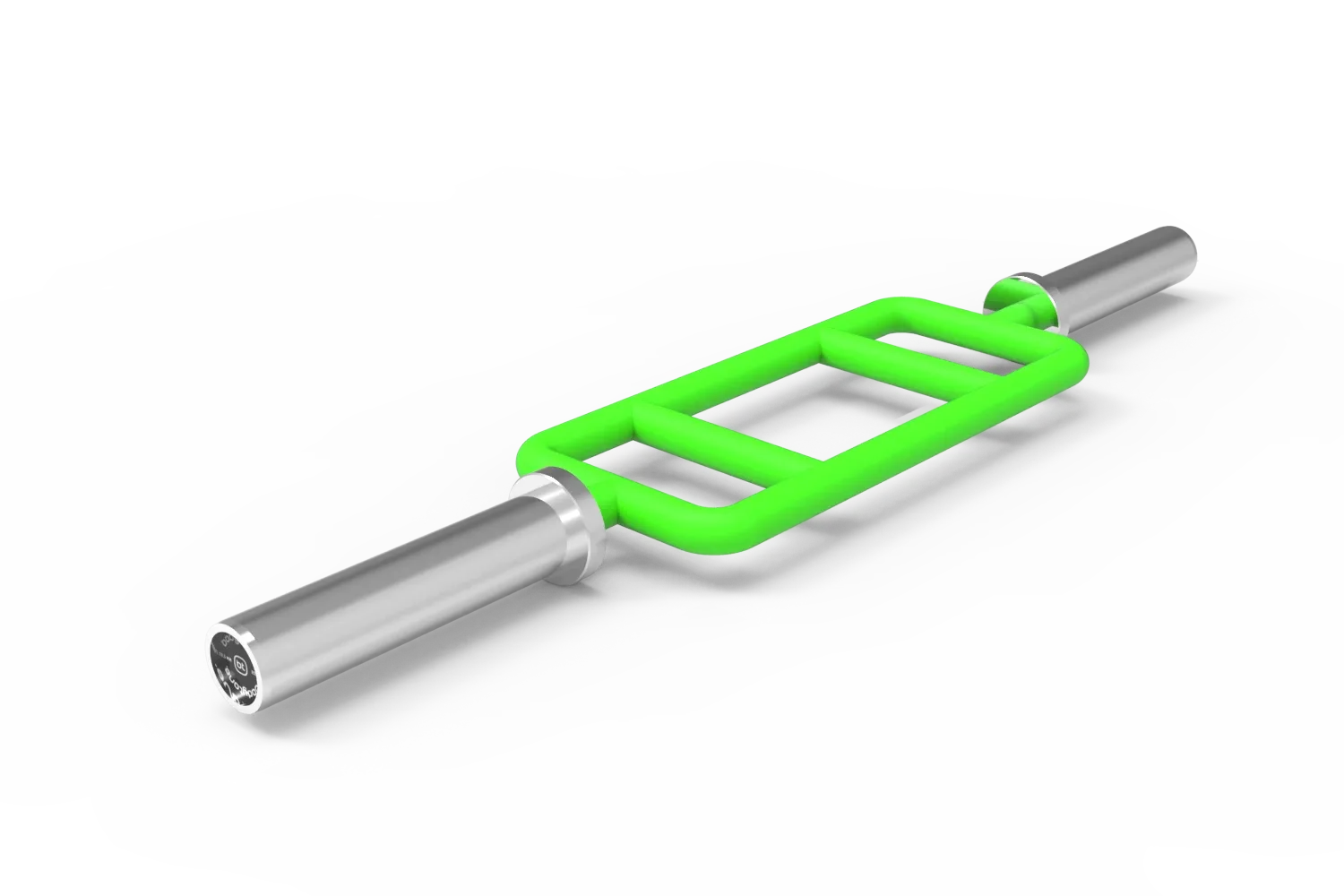
Bodytone LIME SET Curved Arm Bar — 96 cm, 13.5 kg to Pinterest (opens in a new window)Save on Pinterest : Bodytone LIME SET Curved Arm Bar — 96 cm, 13.5 kg
![Bodytone LIME SET Curved Arm Bar — 96 cm, 13.5 kg]()
 Add to cartMORE INFO
Bodytone LIME SET Curved Arm Bar — 96 cm, 13.5 kg
135.00 € excl. VAT -
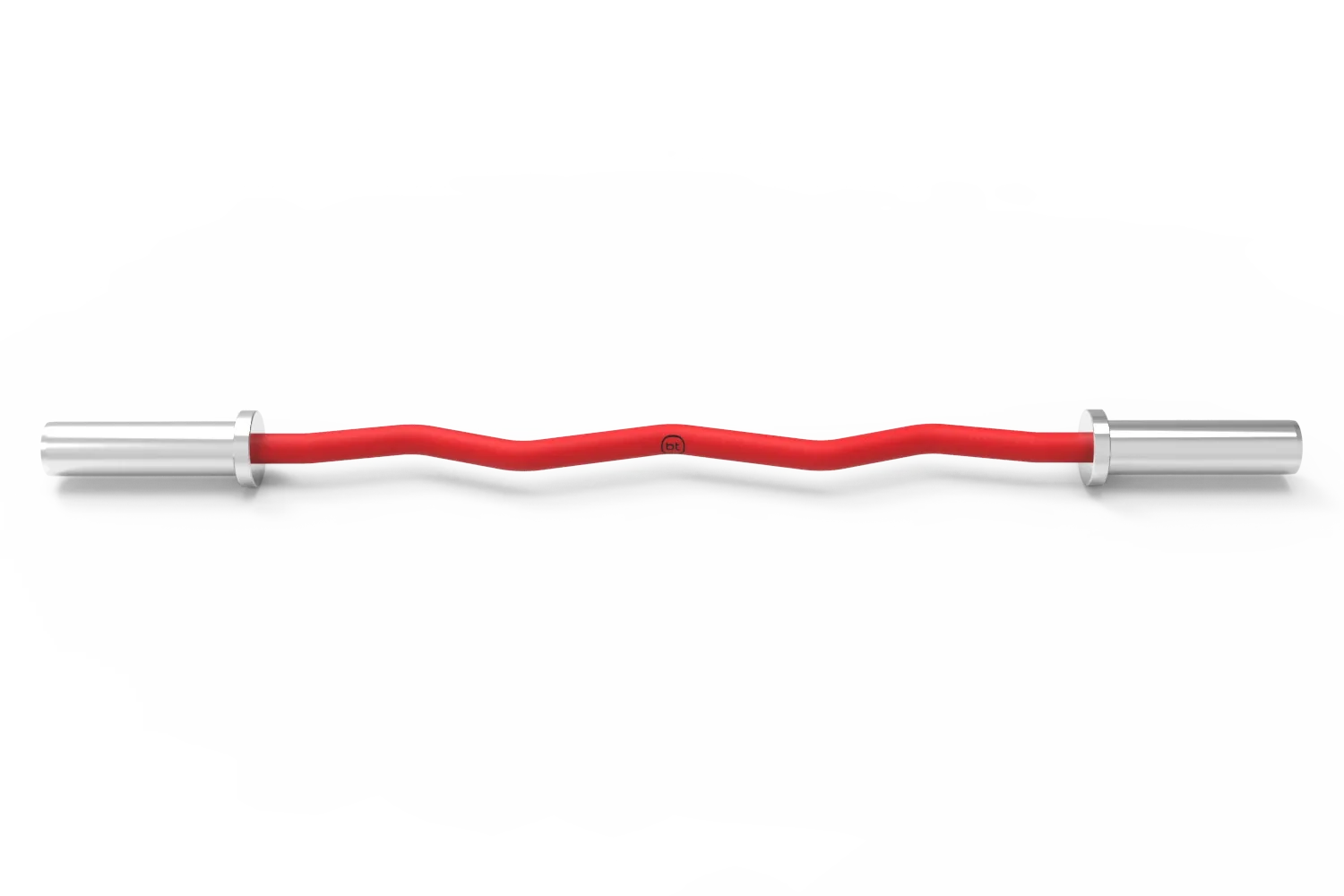
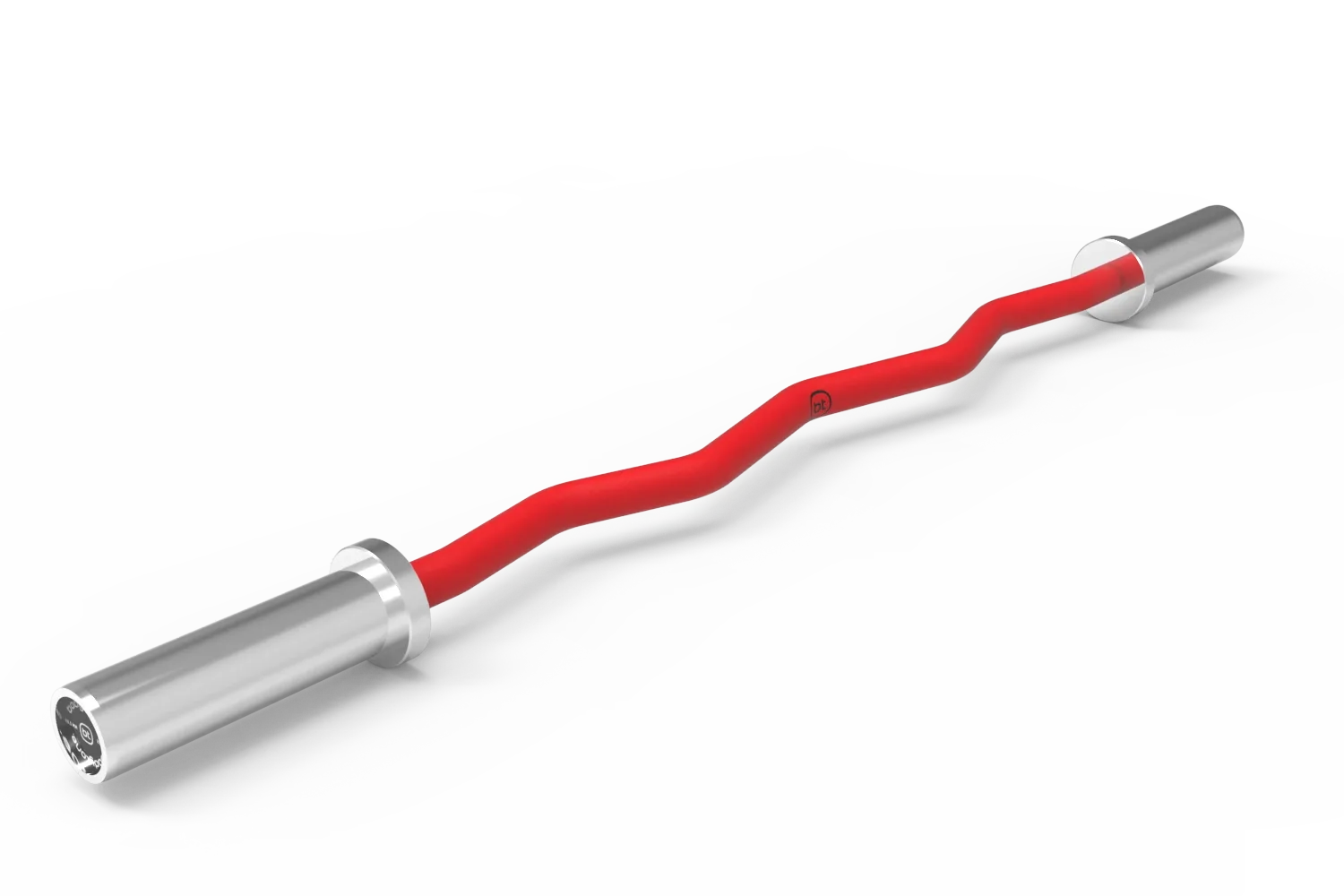
Bodytone RED POW Z EZ curl bar, 1200 mm and 10 kg to Pinterest (opens in a new window)Save on Pinterest : Bodytone RED POW Z EZ curl bar, 1200 mm and 10 kg
![Bodytone RED POW Z EZ curl bar, 1200 mm and 10 kg]()
 Add to cartMORE INFO
Bodytone RED POW Z EZ curl bar, 1200 mm and 10 kg
157.00 € excl. VAT -
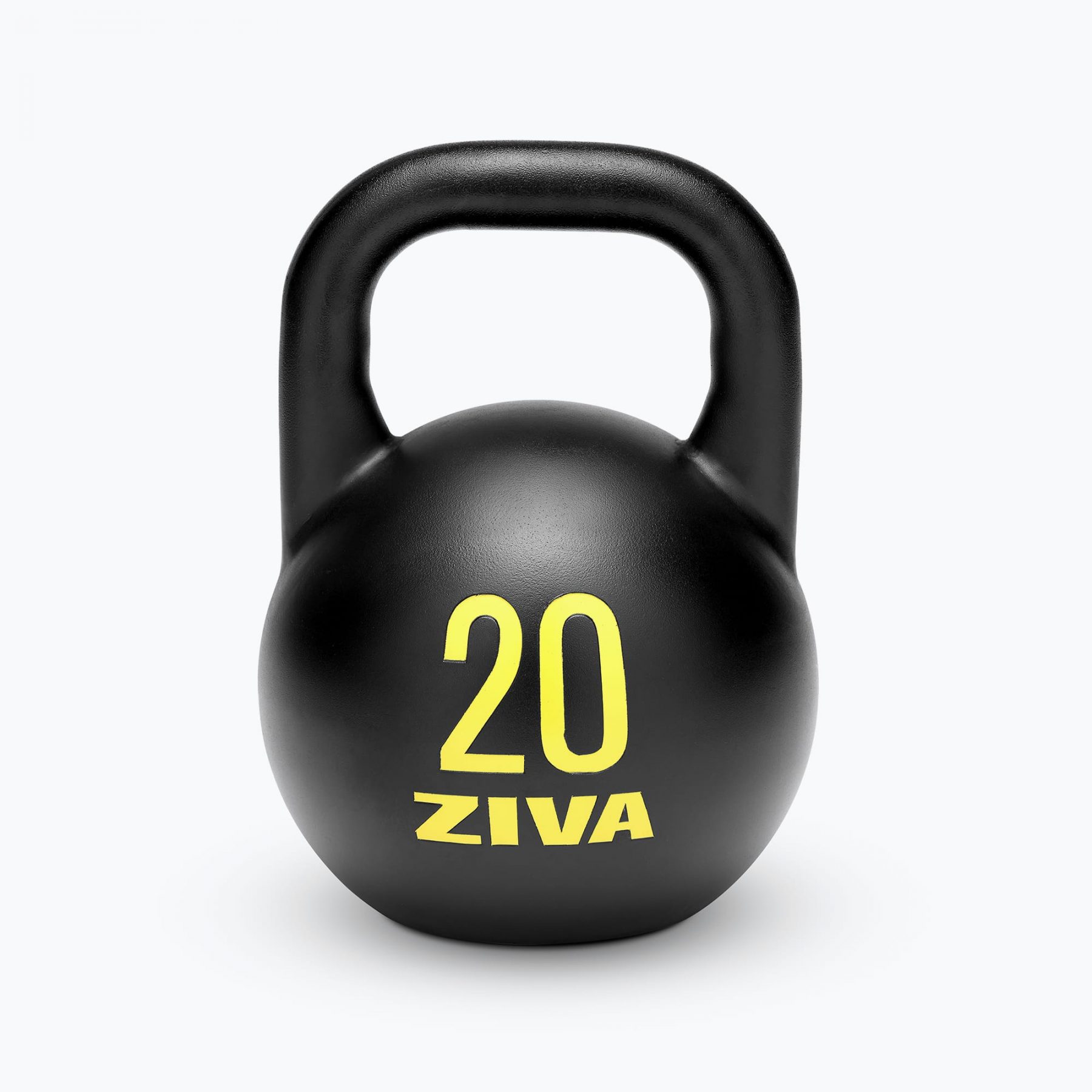
Signature Steel Competition Kettlebell 4 kg — Steve Cotter to Pinterest (opens in a new window)Save on Pinterest : Signature Steel Competition Kettlebell 4 kg — Steve Cotter
![Signature Steel Competition Kettlebell 4 kg — Steve Cotter]() Add to cartMORE INFO
Add to cartMORE INFOSignature Steel Competition Kettlebell 4 kg — Steve Cotter
55.00 € excl. VAT -
Steve Cotter Signature Steel Competition Kettlebell 8 kg to Pinterest (opens in a new window)Save on Pinterest : Steve Cotter Signature Steel Competition Kettlebell 8 kg
![Steve Cotter Signature Steel Competition Kettlebell 8 kg]() Add to cartMORE INFO
Add to cartMORE INFOSteve Cotter Signature Steel Competition Kettlebell 8 kg
75.70 € excl. VAT
Related products
-
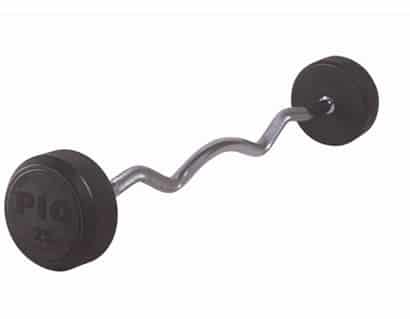
EZ Curl Barbells — fixed-weight bars to Pinterest (opens in a new window)Save on Pinterest : EZ Curl Barbells — fixed-weight bars
![EZ Curl Barbells]() View product
View productEZ Curl Barbells — fixed-weight bars
Price on request -
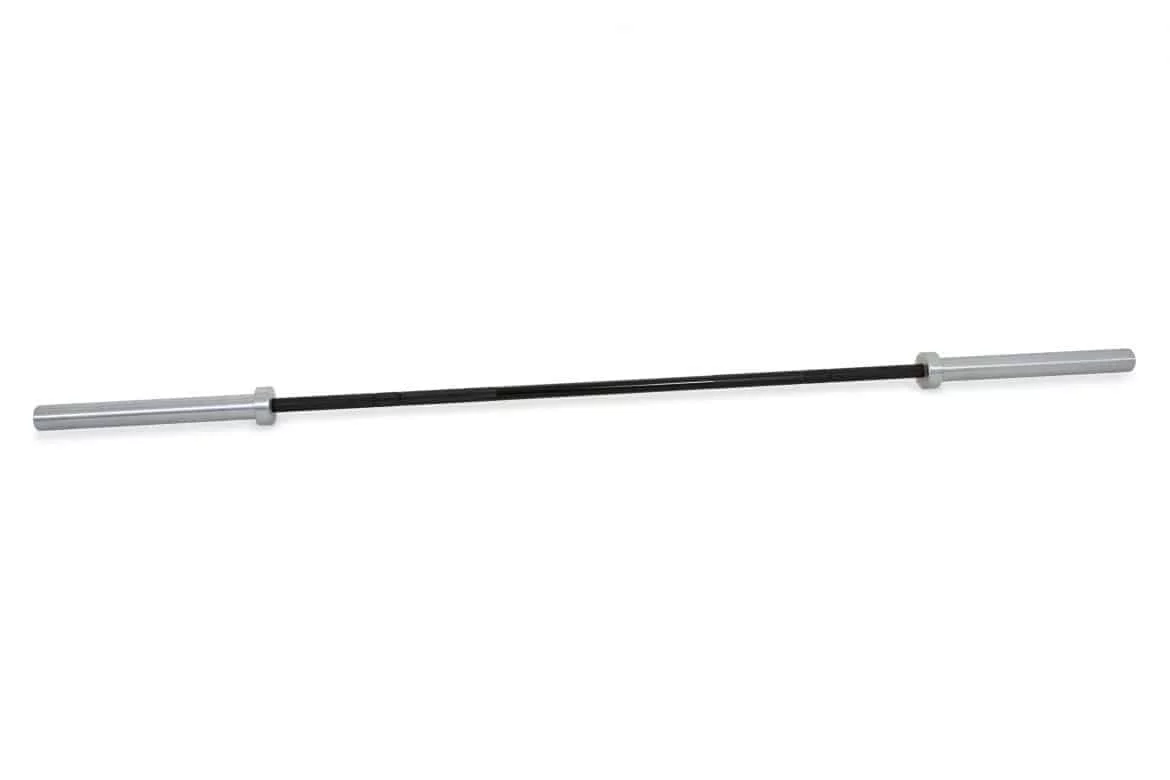
Professional Olympic Bar 2.20 m - Black Grip to Pinterest (opens in a new window)Save on Pinterest : Professional Olympic Bar 2.20 m - Black Grip
![Professional Olympic Bumper Plates — Rubber Weight Discs]() Add to cartMORE INFO
Add to cartMORE INFOProfessional Olympic Bar 2.20 m - Black Grip
245.00 € excl. VAT -
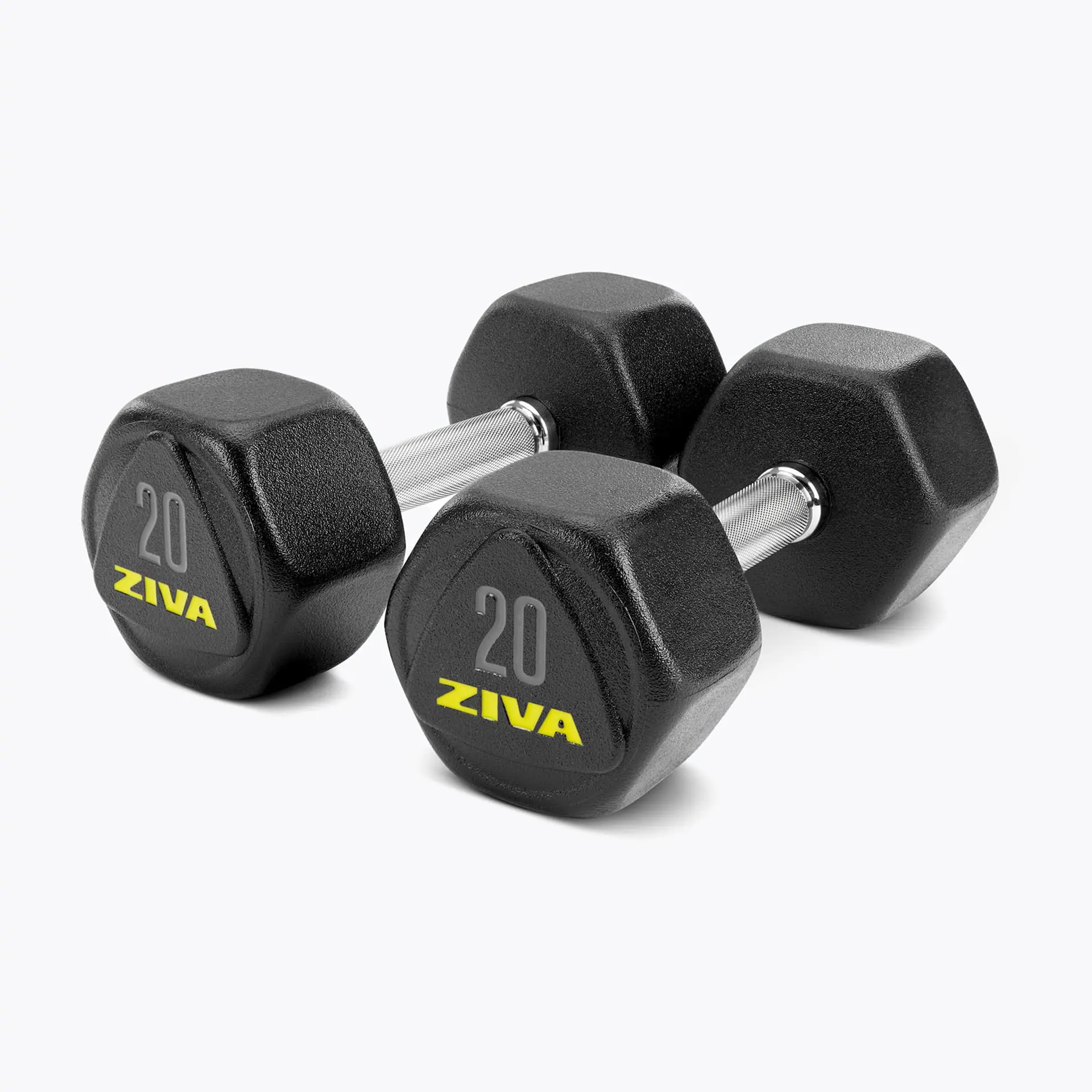
Ziva PERFORMANCE HEXAGON RPU DUMBBELLS - Rubber-Coated Hex Dumbbells to Pinterest (opens in a new window)Save on Pinterest : Ziva PERFORMANCE HEXAGON RPU DUMBBELLS - Rubber-Coated Hex Dumbbells
![Ziva PERFORMANCE HEXAGON RPU DUMBBELLS - Rubber-Coated Hex Dumbbells]() View product
View productZiva PERFORMANCE HEXAGON RPU DUMBBELLS - Rubber-Coated Hex Dumbbells
Price on request