Transportable Container Gyms in Stainless and Galvanised Steel for Armed Forces
Un container de cross training transportable permet à une unité de disposer d'une capacité d'entraînement déployable, sans opération de construction. L'acier galvanisé convient aux implantations métropolitaines, l'inox aux environnements marins ou tropicaux. Light In Fitness fabrique la structure et les agrès en atelier, sur cahier des charges.
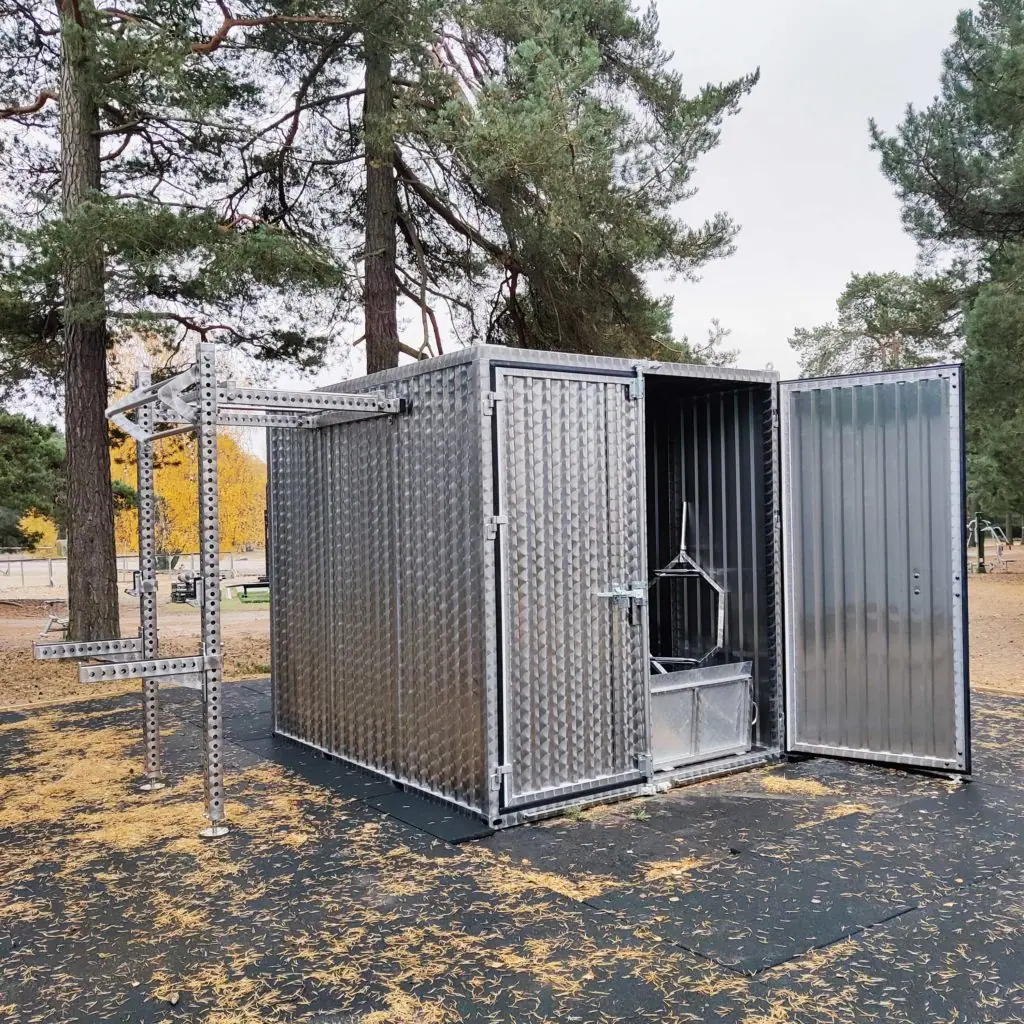
A transportable cross-training container gives a unit deployable training capacity without a construction project. Galvanised steel suits temperate, inland garrison sites; stainless steel suits marine and tropical environments. Light In Fitness manufactures both the structure and the training rigs in its own workshop, to the customer specification.
Military physical training keeps evolving, and functional outdoor training now has an established place in unit programmes. The container gym answers the two constraints that shape every equipment decision in that context: mobility and resistance.
Why a transportable container for a military user
Bringing a functional training space inside the operational perimeter has immediate advantages. Because the structure is robust and transportable, a unit gains rapid access to a training area even under frequent relocation. That flexibility supports physical condition and team cohesion whatever the circumstances.
It also removes the systematic dependence on fixed infrastructure, which is expensive and rarely practical for squadrons on the move. A fully fitted-out structure delivered and installed directly on site changes the approach to training in the field and on extended deployments.
Galvanised or stainless steel?
Material choice is the decisive specification. Both grades give the shelter a long service life whatever the climate it meets, and both resist the corrosion, humidity and impact that military installations impose. Either way, the container needs minimal maintenance, even after several redeployments across different theatres.
The case for galvanised steel
Galvanised steel resists oxidation and extreme weather. A thin zinc layer protects the structure against rust and gives excellent resistance to abrasion and impact – which matters when a container is moved regularly or exposed to rain, sand or mud. Maintenance is straightforward, and the material is favoured by armed forces for its practical qualities and its cost-to-performance ratio.
The case for stainless steel
Stainless steel keeps its integrity against chemical attack and salt-laden air, which makes it the right answer for maritime and tropical settings. It also stands up to repeated assembly, dismantling and deployment cycles without damage. The initial cost is higher than galvanised, but the return shows over the long term through the near-absence of corrosion and the reliability of the shelter.
The same logic runs through our stainless steel outdoor fitness range: the material is specified against the environment, not against the brochure.
Technical specification of a military container gym
Effectiveness rests on a design built for the intensive use armed forces impose. The shelter is modular and adaptable, which is what allows a wide set of outdoor training equipment to be integrated while keeping the unit mobile and quick to deploy.
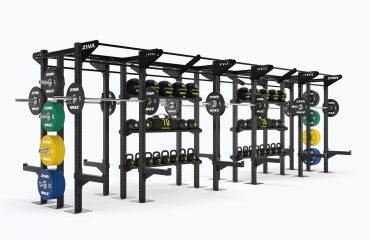
Each module can be configured mission by mission: pull-up bars, free-weight racks, multi-purpose platforms. Safety in use stays the priority even under daily repeated use, which is what makes the environment reliable for every user.
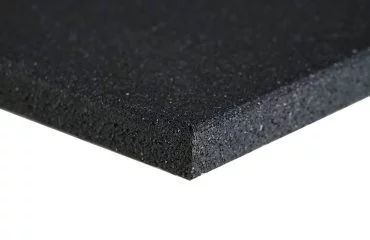
- Reinforced structure with non-slip flooring
- Ventilation systems suited to outdoor use
- Fixing options for strength training accessories
- Removable panels according to the weather
- Tarpaulins or additional protection where required
Modularity extends to the internal layout, so a single mobile base can serve different groups or specialities according to the training programme in place. The rigs themselves come from the same families as our cross-training and Hyrox cages and cross-training stations, built to the same standards as the equipment we install in permanent facilities.
Deployment and mobility
A container intended for the physical preparation of soldiers has to be mobilised quickly wherever it is needed. A transportable design cuts logistics lead times substantially and avoids heavy investment in temporary sites.
Mobility is the decisive argument for special forces and for regiments subject to frequent rotation. Simple lashing, an ISO format compatible with most lifting equipment, and structural strength make the container straightforward to integrate into any deployment convoy.
Setting up a mobile training base
Commissioning normally means identifying the installation area, levelling the ground, then positioning the shelter within minutes using the standard handling equipment armed forces already operate. Once placed, the openings are unlocked, the additional equipment is fixed, and the space is ready for use.
Clear instructions and effective signage allow immediate use from the moment the equipment is unloaded. New intakes or rotating teams do not affect availability: the system can be restored to its original configuration or reconfigured for the specific needs of each mission.
Safety and maintenance
Transportable and built for outdoor service though it is, the shelter still requires basic upkeep: cleaning, checking the anchor points, inspecting the training accessories. That preventive maintenance protects users and keeps the installation in good general condition between operations.
Regular monitoring of the metal structure, galvanised or stainless, limits any risk of premature wear and allows a fast intervention if a component has to be replaced after intensive use. These precautions extend the working life of the installation significantly, in real conditions as much as in scheduled training cycles.
Frequently asked questions
Which material should we specify?
Galvanised steel for temperate, inland sites; stainless steel for coastal, shipboard-adjacent or tropical postings. If a unit rotates between both, specify for the harshest environment on the list.
Can the fit-out be specified by the customer?
Yes. The structure and the rigs are manufactured to the customer specification, so the internal configuration follows the training programme rather than a catalogue layout.
How is the container transported?
In the ISO format, compatible with most standard lifting and transport equipment, which is what keeps it inside an ordinary deployment convoy.
What maintenance does it need between deployments?
Cleaning, anchor point checks and inspection of the training accessories. No corrosion treatment programme is required on either material.
Specify your container gym
Send us the intended posting, the size of the unit and the training programme it has to support, and we will come back with a fit-out proposal and a costed quote. See the container gym range or request a quote.
Réalisations documentées
- Functional Rig inox – installations sur trois continents
- iGreenMill, tapis de course exterieur – installations sur trois continents
- Cage street workout ultime, Hub Armees – DICOM-GSB EFG / Division Metiers
- Cage street workout ultime, CFIM 6 de Frejus – armee francaise
À lire aussi sur le même thème
Container militaire OTAN en inox 316L
Light In Fitness fabrique une salle de sport en container conforme aux référentiels OTAN. STANAG 7213 et ATP-3.3.4.1, gabarits ISO 668 et ISO 1161, plaque CSC, structure en acier inoxydable 316L. Dossier de conformité fourni au marché.
- Container OTAN : Container militaire OTAN en inox 316L
- La gamme complète : Containers CrossFit, salle de sport outdoor équipée
- Référence armées : Fourniture à la DICOM-GSB EFG
Étude d'implantation et devis nominatif via le formulaire de contact.