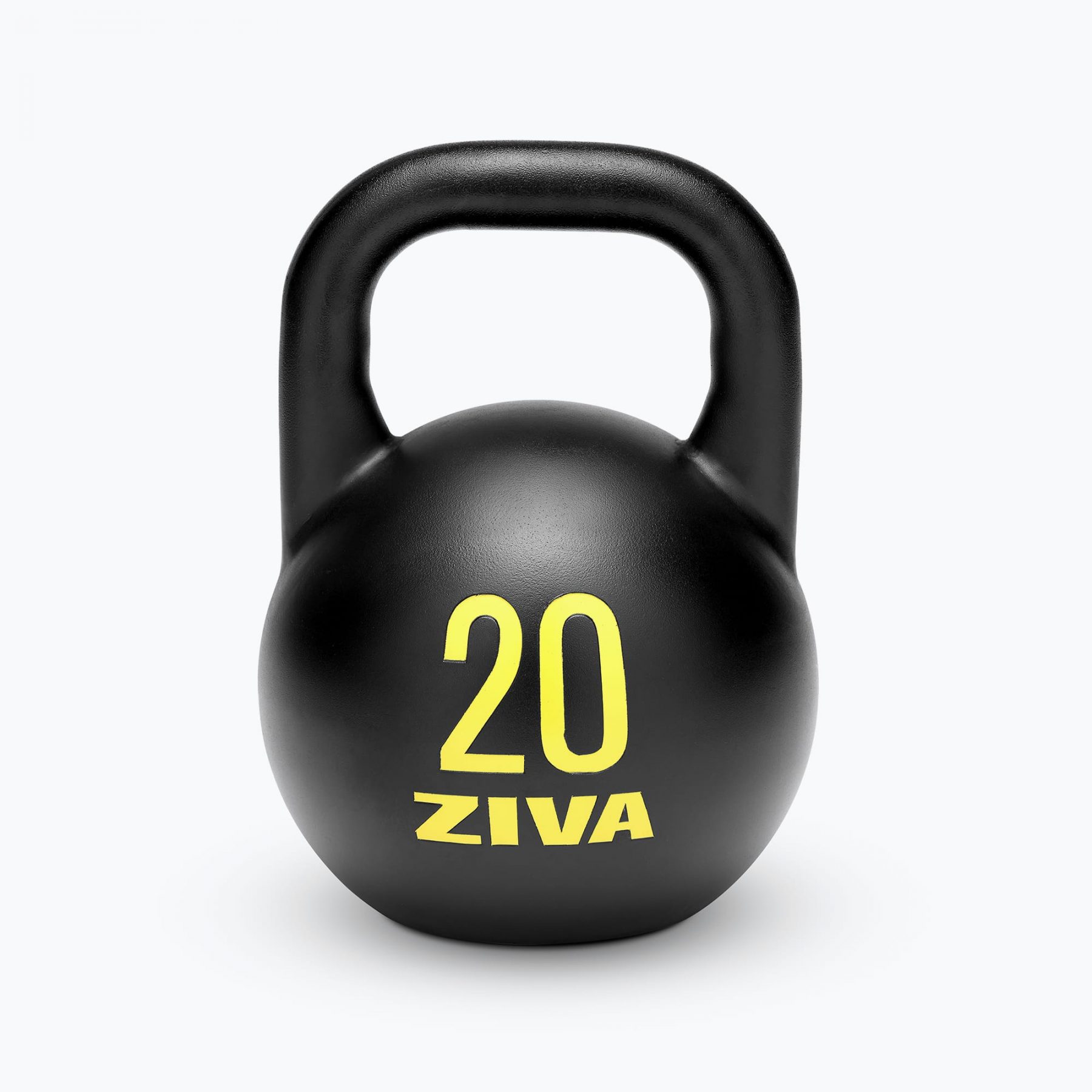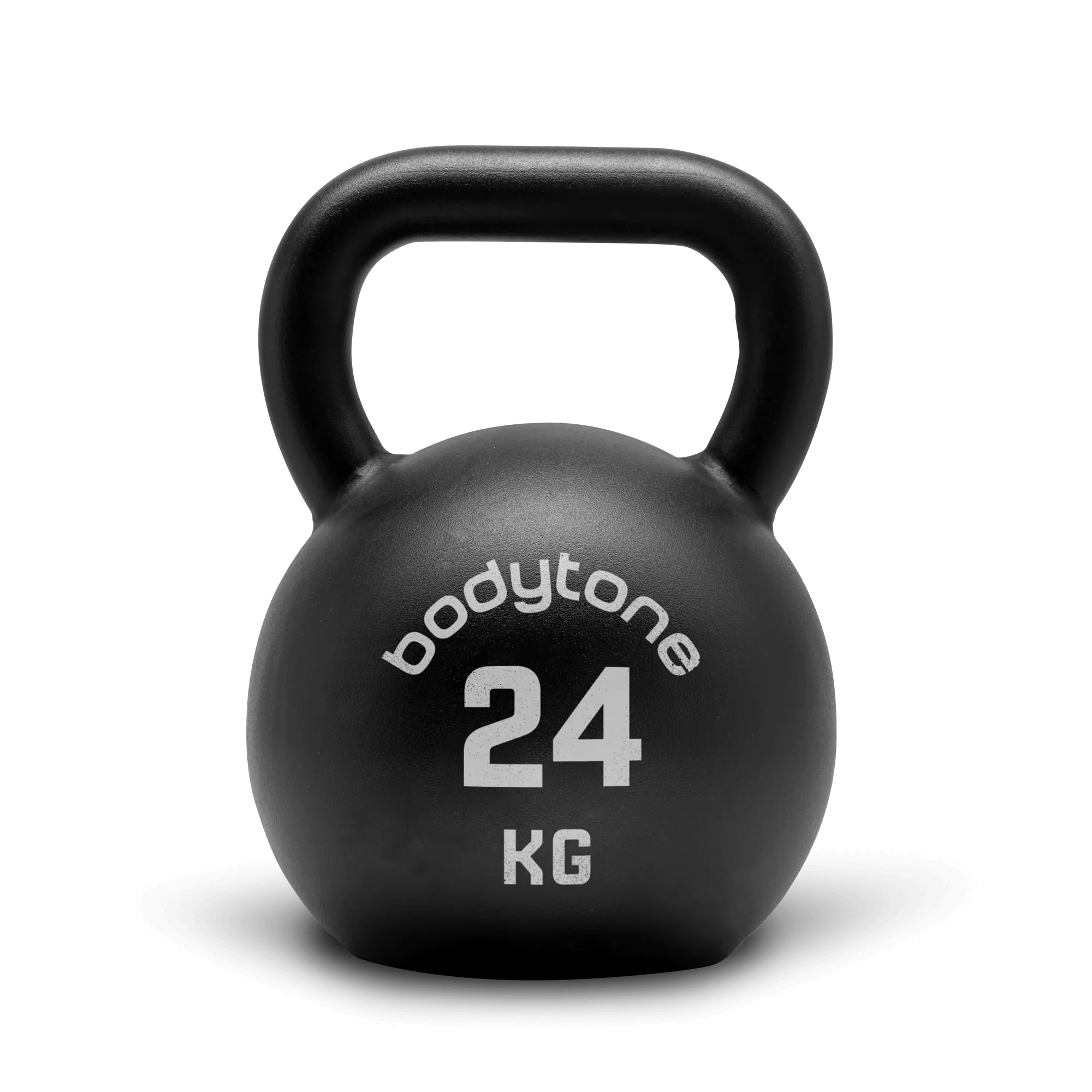
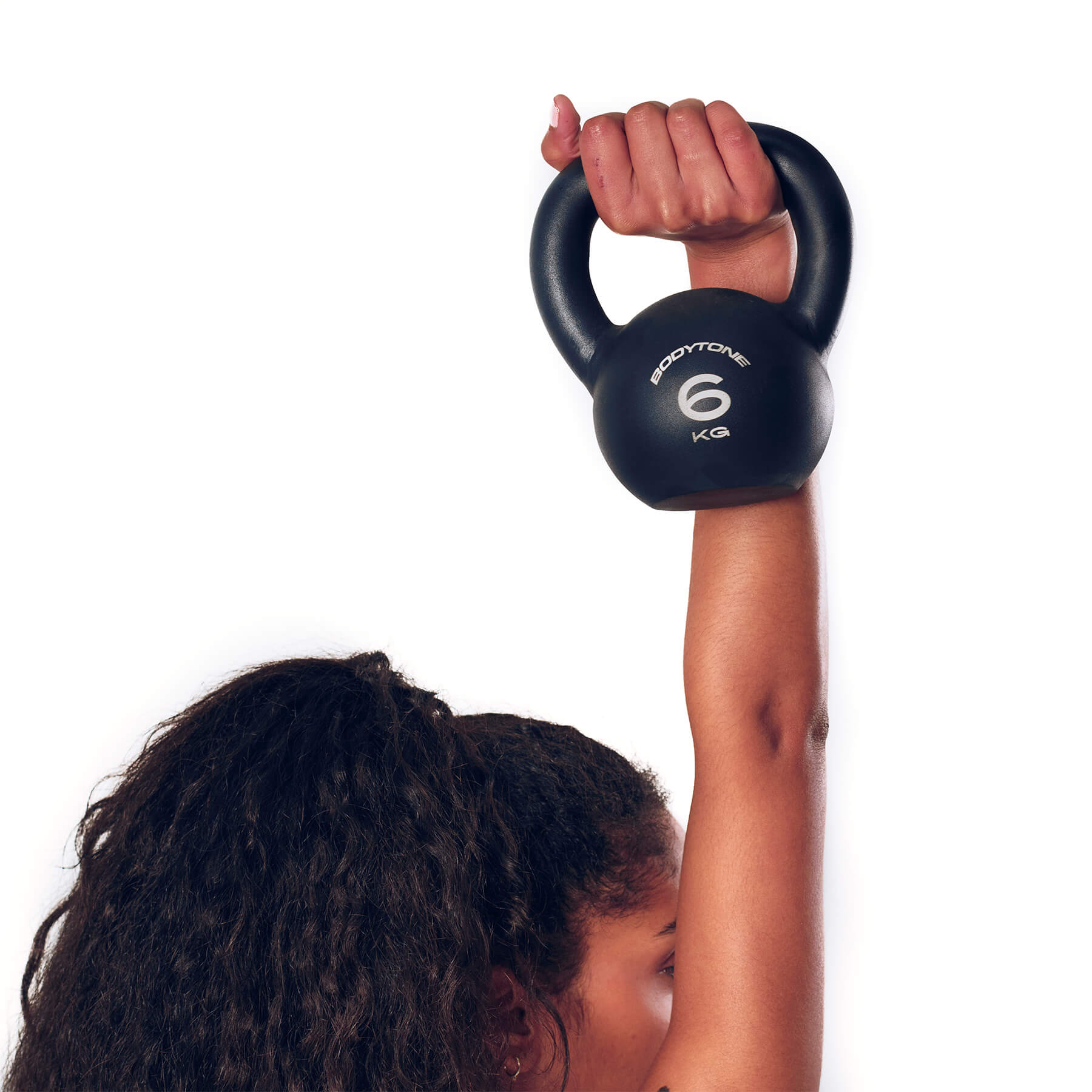
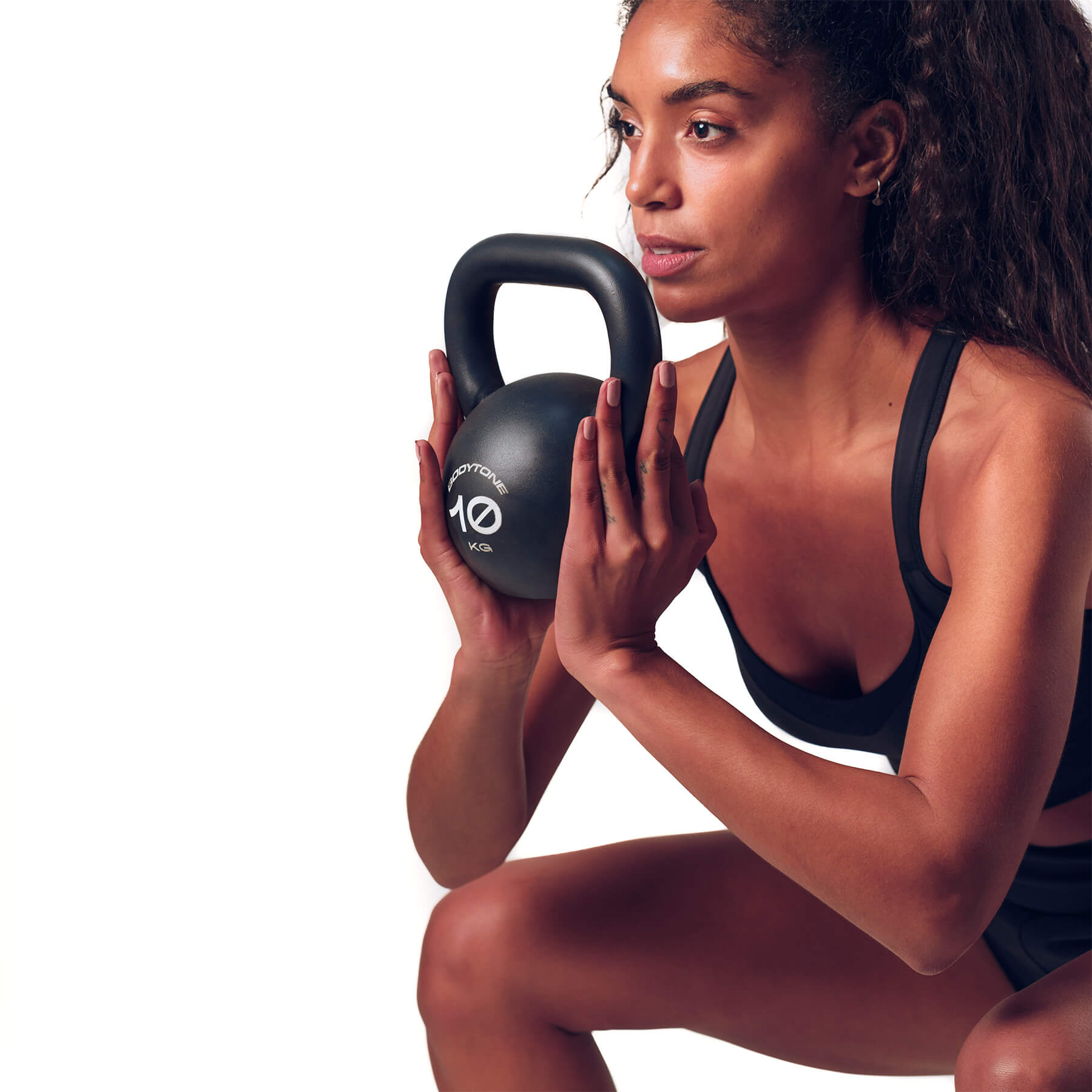
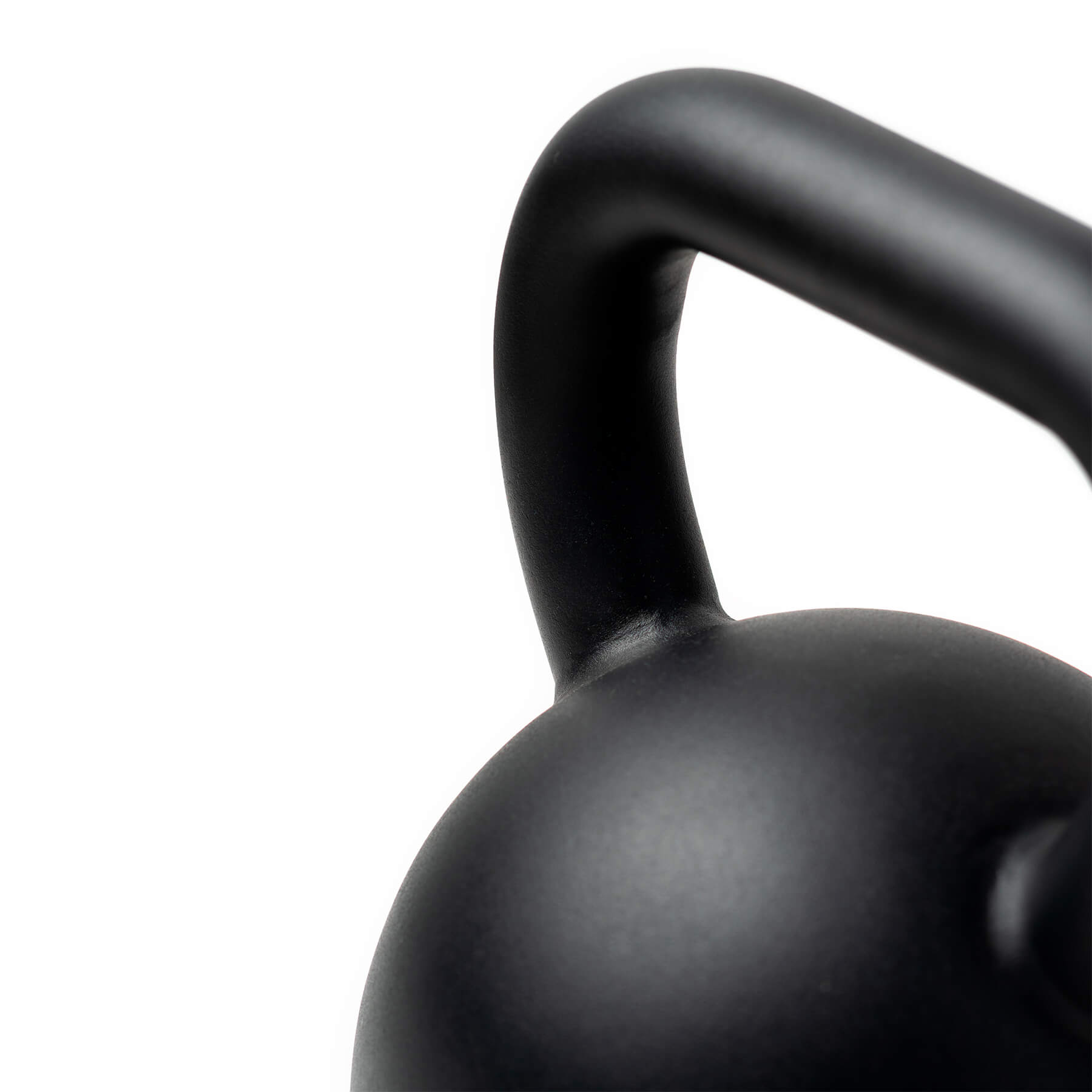
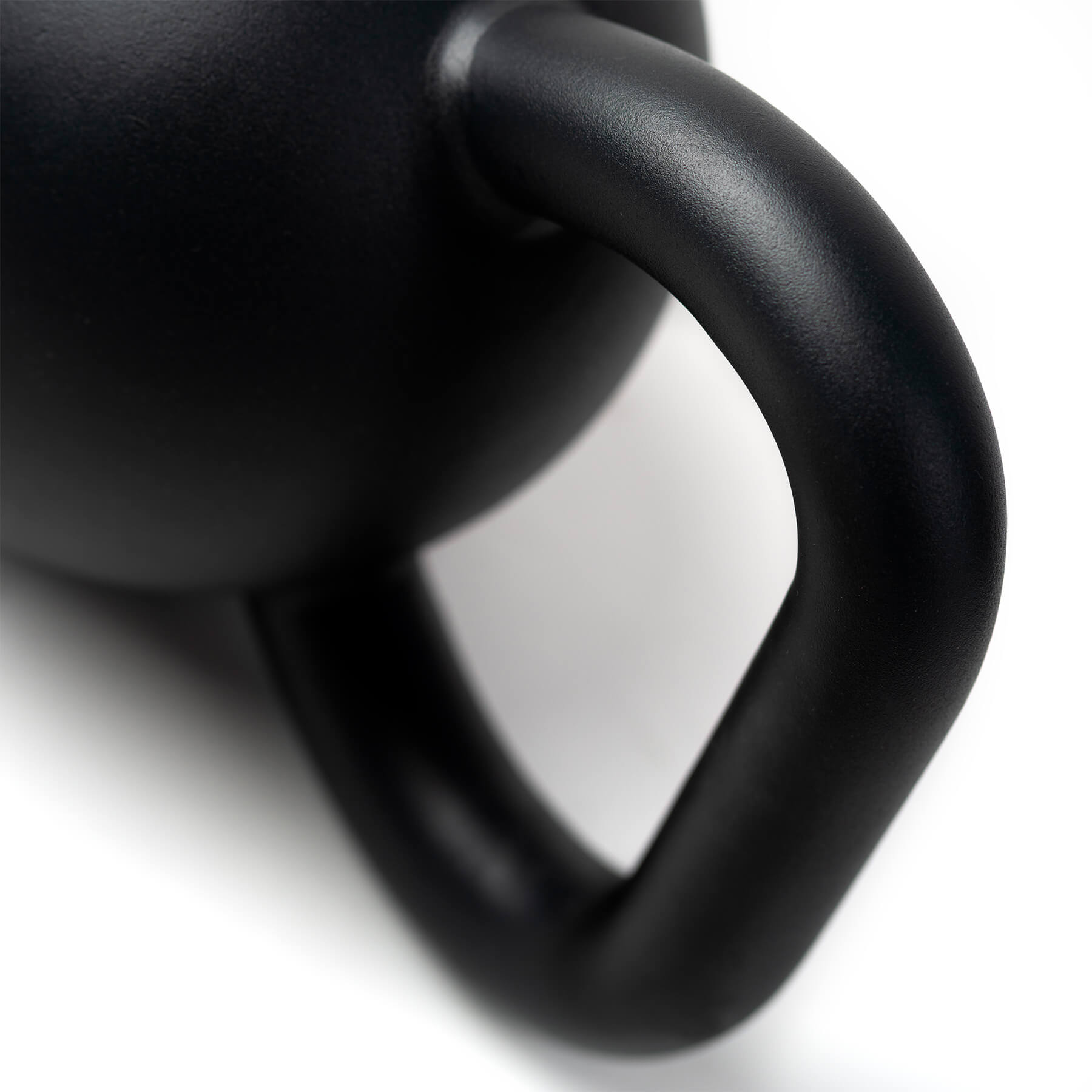
Bodytone 32 kg kettlebell
Bodytone 32 kg kettlebell : professional kettlebells, 239,00 EUR excl. VAT. Masse 32 kg. Brand : Bodytone. Delivery and installation priced on quotation across Europe.
239.00 € excl. VAT
i.e. 286.80 € TTC selon la destination de livraison
Shipping quoted separately The shipping cost is confirmed before you approve the order.
The Bodytone 32 kg kettlebell is intended for strength training in gyms and studios. This reference is one 32 kg kettlebell, sold individually.
Quotation = itemised pricing with delivery, installation and trade discounts, within 24 business hours. No commitment. Our commitments
Conformity: the manufacturer Bodytone confirms EN ISO 20957-1 certification (stationary training equipment) of its professional ranges distributed by Light In Fitness; the certificate for this reference is supplied on request with the quotation.
Bodytone France warranty: 5 years on the frame, 2 years on electronics and mechanical parts (bearings, pulleys, moving parts), 6 months on wear parts — parts, labour and travel included, subject to regular maintenance — detailed conditions.
Description
In brief — Bodytone 32 kg kettlebell: weight 32 kg, brand Bodytone, distributed by Light In Fitness, price 239.00 € excl. VAT.
The Bodytone 32 kg kettlebell is intended for strength training in gyms and studios. This reference is one 32 kg kettlebell, sold individually.
Specifications and sales unit
| Reference | LIF-646738 |
|---|---|
| Weight | 32 kg |
| Sales unit | 1 kettlebell, sold individually |
| Material | Coated cast iron |
| Finish | Black |
| Catalogue price excl. VAT | €239.00 |
Choose weights and quantities
Choose 32 kg according to the planned exercises, technique and individual ability. A load suitable for one movement may be too heavy for another. For group sessions, count simultaneous users and the weights needed at each station.
For exercises using two 32 kg kettlebells, order two units. Include neighbouring weights where your programme requires several loads, without assigning the same weight to everyone.
Use and care
Inspect the handle and coating before use. Set the kettlebell down under control on flooring suitable for free weights. The coating does not guarantee mark-free floors or permit dropping. Follow the care instructions and store dry on a rack rated for the weight.
Compare products
Plan your equipment
For your quote, specify the product references, quantities, delivery location and required date. Availability, transport and warranty terms are confirmed in the proposal.
Frequently asked questions
Does the price cover a pair?
No. The displayed price covers one 32 kg kettlebell. A pair requires two units.
Is 32 kg suitable for everyone?
No. Selection depends on the movement, technique, training volume and individual ability. Have your instructor determine the loads for each session.
Can I request different weights in one quote?
Yes. Specify the quantity for each weight and the number of simultaneous users. The quote confirms available references and delivery terms.
Additional information
| Weight | 32 kg |
|---|---|
| Brand | Bodytone |
Delivery and installation
Lead times are confirmed in the quotation according to the product, available stock and destination.
Access requirements and delivery appointments for heavy equipment are agreed before dispatch.
Installation is included when stated for the product or in the quotation; otherwise it is quoted separately.
You may also like…
-
Bodytone 4 kg kettlebell to Pinterest (opens in a new window)Save on Pinterest : Bodytone 4 kg kettlebell Add to cartMORE INFO
Bodytone 4 kg kettlebell
29.50 € excl. VAT -
Bodytone 6 kg kettlebell to Pinterest (opens in a new window)Save on Pinterest : Bodytone 6 kg kettlebell
![kettlebell bodytone noir]() Add to cartMORE INFO
Add to cartMORE INFOBodytone 6 kg kettlebell
44.50 € excl. VAT -
Bodytone 24 kg kettlebell to Pinterest (opens in a new window)Save on Pinterest : Bodytone 24 kg kettlebell
![kettlebell bodytone noir]() Add to cartMORE INFO
Add to cartMORE INFOBodytone 24 kg kettlebell
179.00 € excl. VAT -
Bodytone 28 kg kettlebell to Pinterest (opens in a new window)Save on Pinterest : Bodytone 28 kg kettlebell
![kettlebell bodytone noir]() Add to cartMORE INFO
Add to cartMORE INFOBodytone 28 kg kettlebell
209.00 € excl. VAT -
Bodytone 8 kg kettlebell to Pinterest (opens in a new window)Save on Pinterest : Bodytone 8 kg kettlebell
![kettlebell bodytone noir]() Add to cartMORE INFO
Add to cartMORE INFOBodytone 8 kg kettlebell
59.00 € excl. VAT
Related products
-
Bodytone 20 kg kettlebell to Pinterest (opens in a new window)Save on Pinterest : Bodytone 20 kg kettlebell
![kettlebell bodytone noir]() Add to cartMORE INFO
Add to cartMORE INFOBodytone 20 kg kettlebell
149.00 € excl. VAT -
Signature Steel 8 kg kettlebell to Pinterest (opens in a new window)Save on Pinterest : Signature Steel 8 kg kettlebell
![Signature Steel 8 kg kettlebell]() Add to cartMORE INFO
Add to cartMORE INFOSignature Steel 8 kg kettlebell
75.70 € excl. VAT -
Signature Steel 16 kg kettlebell to Pinterest (opens in a new window)Save on Pinterest : Signature Steel 16 kg kettlebell
![Signature Steel 16 kg kettlebell]() Add to cartMORE INFO
Add to cartMORE INFOSignature Steel 16 kg kettlebell
105.00 € excl. VAT